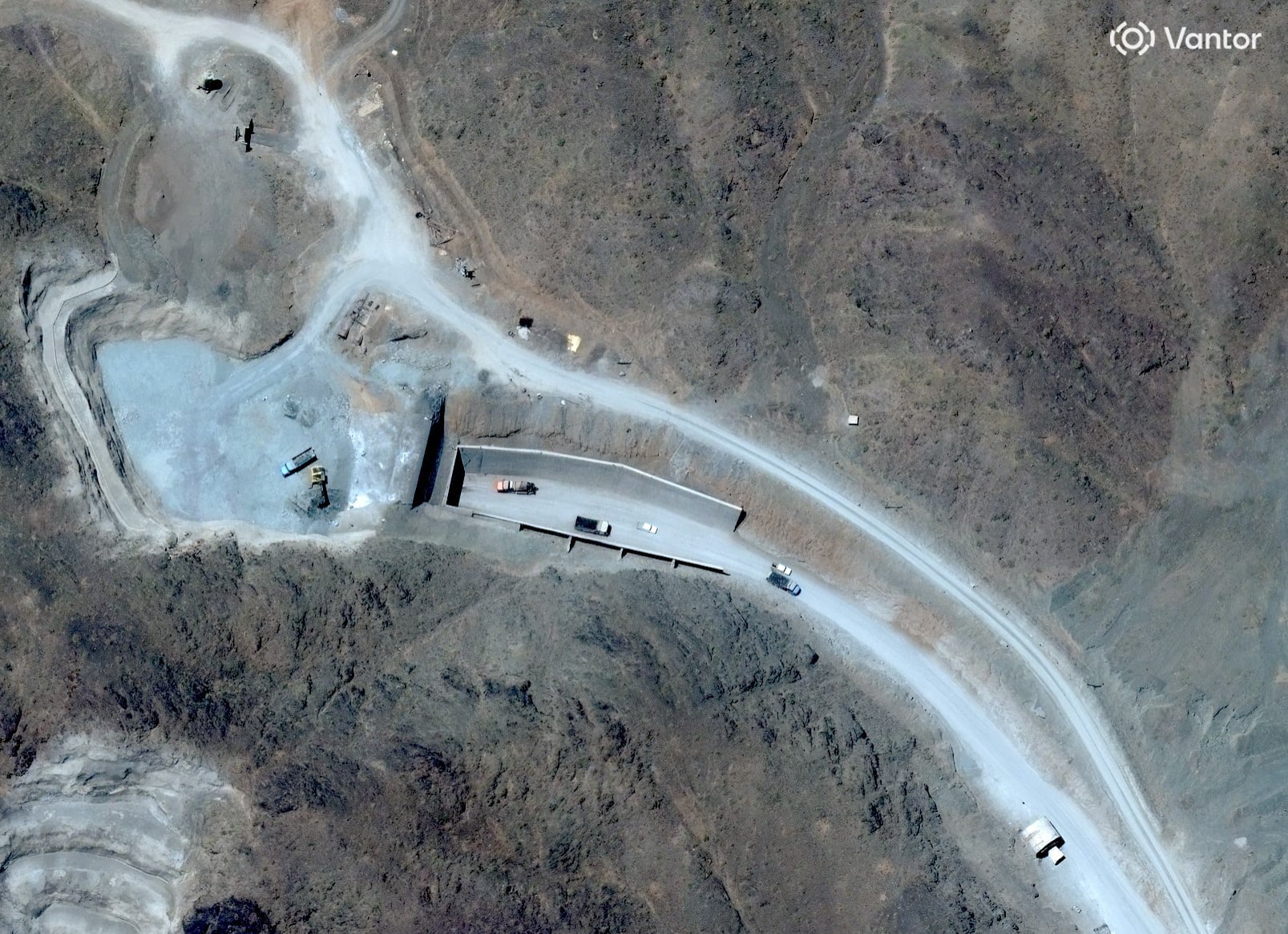
Trump has announced a new blockade of Iranian ports and intends to collect a 20% transit fee at Hormuz. While recent international reports and market speculation have linked heightened regional tensions to fluctuations in oil prices and U.S. equity futures, official statements from Washington emphasize a strategy of continued diplomatic engagement paired with counter-measures.
Market Volatility and Regional Tensions
Recent volatility in global financial markets, including a dip in U.S. stock futures and fluctuations in oil and gold prices, has been fueled by geopolitical uncertainty in the Middle East. According to market data analyzed by Investing.com, investors are closely monitoring the impact of regional instability on global supply chains, alongside upcoming second-quarter earnings reports and inflation data. The sensitivity of energy markets to the security of the Strait of Hormuz remains a primary driver of these price movements.

Reports circulating in regional media outlets regarding potential blockades or new transit levies are based on announcements regarding the blockade of Iranian ports and the 20% fee. As of mid-July, official communications from Washington have focused on maintaining freedom of navigation in international waters.
Diplomatic Strategy and Regional Security
The U.S. administration continues to utilize a dual-track approach to managing relations with Iran, prioritizing diplomatic channels while maintaining readiness to respond to threats against commercial shipping. As of July 10, 2024, official reports indicate that the U.S. is actively engaged in ongoing discussions aimed at de-escalation.
The Strait of Hormuz remains a focal point for international maritime law. Any attempt by a nation to impose arbitrary taxes or blockades would likely face significant legal challenges and international condemnation.
Economic Impact and Investor Sentiment
For global investors, the primary concern remains the potential for supply chain disruptions. When tensions rise, the tendency for oil prices to spike frequently correlates with a decline in broader equity markets. Analysts suggest that the current market environment is characterized by “wait-and-see” behavior, as traders balance geopolitical fears against macroeconomic indicators.
While reports of new measures against Iranian ports have captured headlines, market participants are advised to distinguish between verified policy changes and speculative commentary. Official updates regarding U.S. maritime security policy are typically disseminated through primary sources.
The next major checkpoint for market participants will be the release of upcoming U.S. economic data and any official statements from the White House regarding regional security policy. We encourage our readers to share their perspectives on how geopolitical volatility is currently affecting their portfolios or to ask questions in the comments section below for further clarification on these complex international developments.
- France vs Spain: 2026 FIFA World Cup Qualifier Preview
- Poll: Gadi Eisenkot’s Yashar Party Leads Over Netanyahu in New Election Survey
- Why Gas Prices Can Differ by $1 Between Stations a Block Apart (daybreakwire.com)
- Oil Prices Surge as US Strikes Iranian Targets and Blockades Hormuz Strait (archyworldys.com)