LONDON — The geopolitical landscape of the Middle East has entered a period of extreme volatility as unverified reports of direct military engagement between United States forces and Iranian military assets begin to circulate, raising the specter of a full-scale regional conflict. While official confirmation from the Pentagon or the Iranian Ministry of Foreign Affairs regarding direct strikes on Iranian sovereign territory or missile trajectories targeting Kuwaiti troops remains pending, the intensity of recent military movements in the Persian Gulf has sent shockwaves through global diplomatic and energy markets.
The situation, characterized by a rapid escalation from long-standing “shadow warfare” to the potential for kinetic, direct confrontation, places regional allies like Kuwait in a precarious position. For decades, the tension between Washington and Tehran has been managed through proxy conflicts, sanctions, and maritime brinkmanship. However, the current atmosphere suggests a breakdown of these traditional containment strategies, with the risk of miscalculation reaching an all-time high.
As analysts monitor the movements of the U.S. Fifth Fleet and the operational readiness of the Islamic Revolutionary Guard Corps (IRGC), the international community is bracing for the implications of a direct exchange. If the reports of missile fire directed toward Gulf cooperation council (GCC) territories are substantiated, it would mark a definitive shift in Iranian military doctrine, moving from asymmetric proxy support to direct state-on-state aggression.
The Shift from Proxy Warfare to Direct Confrontation
For much of the last decade, the conflict between the United States and Iran has been fought through intermediaries. The IRGC has historically utilized a network of non-state actors across Iraq, Syria, Yemen, and Lebanon to project power and challenge U.S. Interests. However, the recent uptick in direct military activity suggests a narrowing of the gap between these proxy engagements and direct state-level combat.
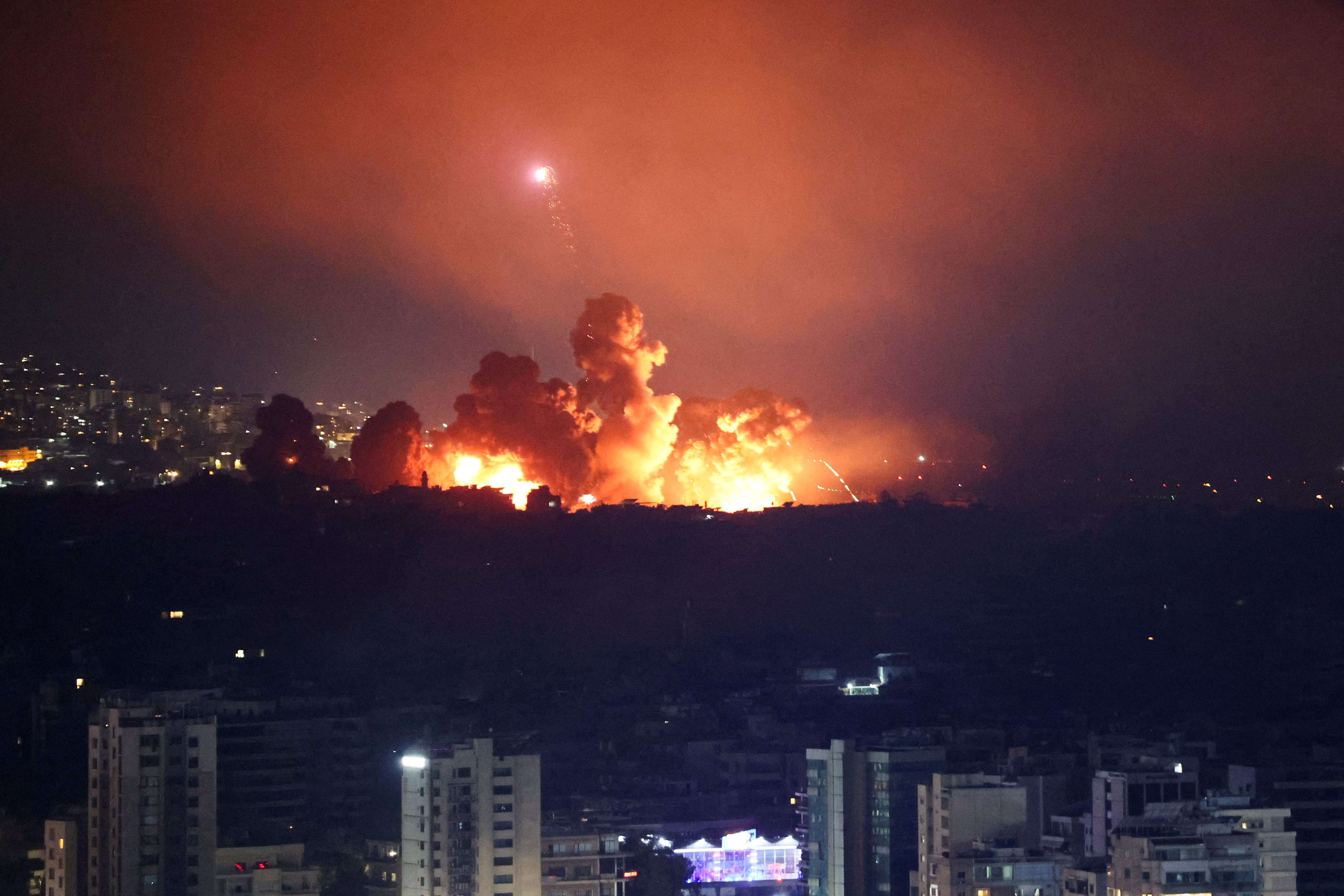
Recent verified intelligence and military reports have highlighted increased IRGC activity in the Levant and the Persian Gulf. While U.S. Forces have frequently conducted targeted strikes against IRGC-linked assets in Iraq and Syria to defend regional interests, the prospect of strikes targeting the Iranian mainland itself represents a significant “red line” in international diplomacy. Such an action would likely trigger a massive, multi-vector retaliation from Tehran, potentially involving its extensive ballistic missile arsenal.
The complexity of this escalation is compounded by the evolving political landscape in Washington. The ambiguity surrounding future U.S. Diplomatic engagement with Iran—a theme frequently noted in recent political discourse—has created a vacuum of certainty. As noted in various political analyses, the lack of a clear, long-term diplomatic roadmap has left military commanders in the region navigating a highly unpredictable environment where every tactical move carries strategic consequences.
The Strategic Vulnerability of Kuwait and the Gulf
The mention of missile activity near Kuwait underscores the extreme vulnerability of the Gulf Cooperation Council (GCC) states. Kuwait, a key U.S. Ally with a significant military footprint hosted on its soil, sits at a geographical crossroads. Any escalation that involves missile fire directed toward Kuwaiti territory would not only be an attack on a sovereign nation but would also directly threaten the security of U.S. Personnel stationed in the region.
Kuwait’s strategic importance cannot be overstated. It serves as a critical node for regional stability and a logistical hub for Western military operations. The potential for Iranian missiles to target such a state would likely trigger the collective defense mechanisms of the GCC and potentially invoke mutual defense treaties with the United States. This would effectively transform a bilateral dispute between the U.S. And Iran into a broader regional war involving multiple sovereign states.
the security of the maritime corridors, specifically the Strait of Hormuz, remains a paramount concern. Any direct conflict involving missile strikes in the vicinity of Kuwait would almost certainly lead to the closure or significant disruption of this vital shipping lane. Given that a substantial portion of the world’s liquefied natural gas (LNG) and petroleum passes through this narrow waterway, the economic repercussions would be felt globally, manifesting as immediate spikes in energy prices and supply chain volatility.
Military Analysis: Missile Defenses and Strike Capabilities
The technical dimension of this potential conflict involves a high-stakes game of “offense versus defense.” Iran has spent decades developing a sophisticated ballistic missile program, designed specifically to offset the conventional air superiority held by the United States and its allies. The IRGC’s arsenal includes various short-range, medium-range, and even long-range missiles capable of reaching much of the Middle East, including key installations in the Gulf.
In response, the United States and its regional partners have deployed advanced missile defense architectures. Systems such as the Patriot (PAC-3) and the THAAD (Terminal High Altitude Area Defense) are critical components in intercepting incoming ballistic threats. However, the sheer volume and variety of potential Iranian missile volleys—including the use of “swarming” tactics with drones and cruise missiles—pose a significant challenge to even the most advanced interception systems.
The effectiveness of these defenses is not merely a matter of technology but of reaction time and integrated intelligence. The ability to detect, track, and intercept a missile within seconds of launch is a capability that requires seamless cooperation between satellite surveillance, radar networks, and ground-based interceptors. In a high-intensity conflict, the saturation of these defense systems by a high volume of incoming projectiles remains one of the primary tactical risks for regional stability.
Global Economic and Geopolitical Implications
Beyond the immediate military concerns, a direct conflict between the U.S. And Iran would have profound implications for the global order. The economic fallout would likely extend far beyond the energy sector. Global shipping insurance rates would skyrocket, and the uncertainty surrounding the security of the Middle East would likely trigger a flight to “safe-haven” assets, such as gold and the U.S. Dollar, causing significant fluctuations in international financial markets.
From a geopolitical perspective, such a conflict would test the resolve of the international community and the efficacy of the United Nations in preventing large-scale warfare. It would also force regional powers, including China and Russia, to navigate a complex landscape of interests. While China has significant economic ties to Iran and much of the Gulf, it also relies on the stability of global trade routes, creating a delicate balancing act for Beijing.
The potential for a wider conflict also raises the risk of a “proxy contagion,” where local conflicts in Yemen, Lebanon, or Iraq are rapidly drawn into the larger U.S.-Iran struggle. This interconnectedness makes the Middle East one of the most difficult theaters for conflict de-escalation, as a single misstep in one country can trigger a chain reaction across the entire region.
Key Takeaways: The Escalation Landscape
- Unverified Escalation: Reports of direct U.S. Strikes on Iran and Iranian missile fire toward Kuwait are currently unconfirmed by official government channels.
- Strategic Risk: A direct military exchange would mark a transition from “shadow warfare” to a high-intensity, state-on-state conflict.
- Regional Impact: Kuwait and other GCC nations face heightened security risks, particularly regarding missile defense and sovereign integrity.
- Economic Volatility: Disruption to the Strait of Hormuz could cause immediate and severe shocks to global energy markets and maritime trade.
- Military Dynamics: The conflict would center on the interplay between Iran’s ballistic missile capabilities and Western missile defense systems.
As the situation continues to develop, the international community remains on high alert. The focus now shifts to official communications from the Pentagon and the Iranian government, which will provide the necessary clarity on whether these reports represent a fleeting moment of tension or the beginning of a much larger, more devastating conflict.
World Today Journal will continue to monitor official military briefings and diplomatic statements. For the latest verified updates on the situation in the Persian Gulf, please follow our live news feed.
What are your thoughts on the potential for a larger regional conflict? Should international mediators step in more aggressively? Let us know in the comments below and share this article to keep your network informed.
Worth a look