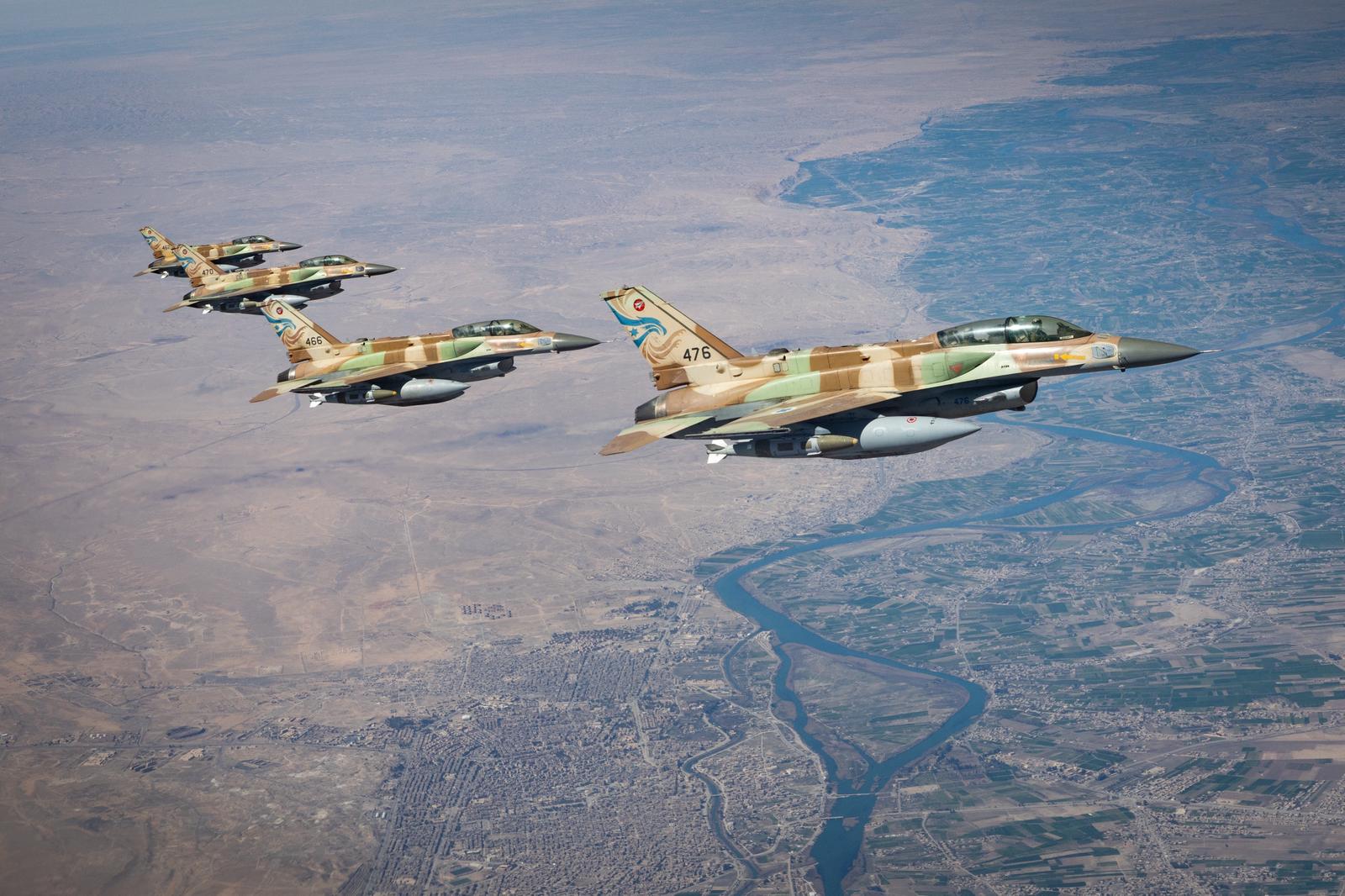
Sofia, Bulgaria – The United States government has authorized the sale of over $650 million in munitions to Israel, circumventing the typical congressional review process. The decision, made late Friday by Secretary of State Marco Rubio, invokes emergency authority citing an urgent need to resupply Israel amidst escalating regional tensions and its ongoing military operations in Gaza and, more recently, against Iran. This move has already sparked criticism from some US lawmakers who question the administration’s justification and the lack of transparency.
The arms package includes more than 20,000 bombs, specifically 12,000 BLU-110A/B general purpose 1,000-pound bomb bodies, fulfilling a request from Israel. The sale has been amended to include BLU-111 500-pound general purpose bombs, and Israel is set to procure an additional $298 million in critical munitions through direct commercial sales. The State Department stated that the sale is intended to bolster Israel’s defense capabilities and contribute to the foreign policy and national security interests of the United States. Repkon USA, a Texas-based company, is designated as the principal contractor for the deal.
Escalating Tensions and the Emergency Authorization
The decision to bypass Congress comes as the US and Israel have been engaged in a joint air campaign against Iran, described by US officials as focused on dismantling Iran’s offensive missile capabilities, missile production facilities, and naval assets. This operation, initiated approximately a week prior to the munitions sale announcement, has significantly heightened tensions in the region, prompting retaliatory actions from Tehran against Israel and countries hosting US military bases. The situation has brought the region to what many observers describe as the brink of a wider conflict.
The leverage of emergency authority to expedite the sale raises questions about the administration’s preparedness for the conflict with Iran. Democratic Representative Gregory Meeks voiced concerns, stating that invoking emergency provisions “shows a lack of preparation for the war with Iran.” He further argued that the administration’s insistence on being fully prepared prior to the conflict is contradicted by this decision, characterizing the situation as “an emergency of the Trump administration’s own creation.”
A History of Expedited Arms Sales to Israel
This represents not an isolated incident. Both the Trump and Biden administrations have previously utilized similar emergency authorities to expedite military sales to Israel, bypassing the standard congressional review process. This practice underscores the consistent and strong US support for Israel’s security, even during periods of heightened conflict. The long-standing relationship between the two countries has seen a continuous flow of military aid and cooperation, particularly over the past two years during ongoing conflicts in Gaza, Lebanon, and Iran.
However, this consistent support has faced increasing scrutiny from human rights experts, particularly concerning Israel’s military campaign in Gaza. A United Nations report released in December 2024 indicated that the Israeli military had likely employed heavy weaponry, including the types of bombs now being expedited, in densely populated areas of Gaza, resulting in a significant number of civilian casualties. The report highlighted the devastating impact of the conflict on the civilian population, with tens of thousands killed, many of whom were non-combatants.
Concerns Over Civilian Casualties and International Law
Israel maintains that its actions are in self-defense, responding to the October 2023 attacks by Hamas-led militants that resulted in the deaths of 1,200 people and the abduction of 251 hostages. Israeli officials assert that they grab steps to minimize harm to civilians and accuse militant groups of deliberately using civilians as human shields. However, these claims have been met with skepticism by international organizations and human rights groups, who point to the high number of civilian casualties and the widespread destruction of infrastructure in Gaza.
The expedited sale of munitions to Israel is likely to further fuel these concerns. Critics argue that providing such weapons without adequate safeguards could contribute to further civilian casualties and potentially violate international humanitarian law. The debate over the proportionality of Israel’s response and the protection of civilians remains a central point of contention in the international community. The potential for escalation and the humanitarian consequences of the conflict are significant factors driving the debate over arms sales and military aid.
The Role of Congressional Oversight
The decision to bypass congressional review raises fundamental questions about the balance of power between the executive and legislative branches of the US government. Typically, arms sales exceeding a certain threshold require congressional notification and a review period, allowing lawmakers to assess the potential implications of the sale and raise any objections. The invocation of emergency authority circumvents this process, granting the executive branch greater autonomy in foreign policy decisions.
Even as the administration argues that the emergency situation necessitates swift action, critics contend that this undermines democratic accountability and transparency. The lack of congressional oversight raises concerns that the administration may be prioritizing short-term political considerations over long-term strategic interests and the potential consequences of its actions. The debate over the use of emergency authority is likely to continue as the conflict in the region evolves.
Looking Ahead: Regional Implications and Potential for Escalation
The current situation remains highly volatile, with the potential for further escalation. Iran’s retaliatory attacks against Israel and regional countries with US bases have demonstrated its willingness to respond to perceived threats. The US military presence in the region and its commitment to supporting Israel further complicate the dynamics, increasing the risk of a direct confrontation between the US and Iran. Diplomatic efforts to de-escalate the situation are ongoing, but the prospects for a peaceful resolution remain uncertain.
The expedited arms sale to Israel is a significant development that underscores the US commitment to its ally and its determination to counter Iranian influence in the region. However, it similarly raises concerns about the potential for further escalation and the humanitarian consequences of the conflict. The international community will be closely watching the situation as it unfolds, seeking to prevent a wider war and protect civilian populations.
The coming weeks will be critical in determining the trajectory of the conflict. Further developments, including potential negotiations between the US and Iran, the outcome of Israel’s military operations, and the response of regional actors, will shape the future of the region. The US government is expected to provide further updates on the situation as it evolves, and Congress is likely to demand greater transparency and oversight of its foreign policy decisions.
Key Takeaways:
- The US has authorized a $650 million arms sale to Israel, bypassing congressional review using emergency authority.
- The sale includes over 20,000 bombs and is intended to support Israel’s defense capabilities amid escalating regional tensions.
- The decision has drawn criticism from some US lawmakers who question the justification and lack of transparency.
- This is not the first time the US has expedited arms sales to Israel, highlighting a long-standing security relationship.
- Concerns remain regarding potential civilian casualties and the humanitarian impact of the conflict in Gaza.
The situation remains fluid and requires careful monitoring. We encourage readers to share their thoughts and perspectives in the comments below. Please also share this article with your networks to help raise awareness of this critical issue.
Related reading