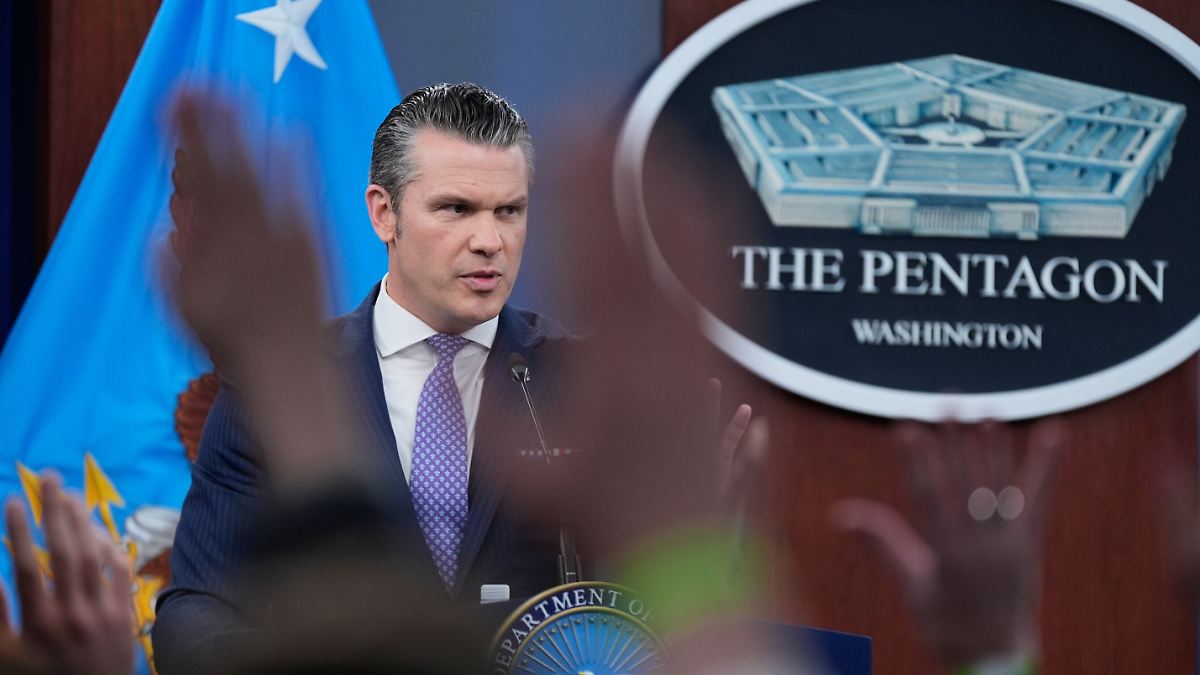
The delicate balance between national security and the public’s right to know is facing a period of unprecedented strain in the United States. Recent developments suggest a tightening grip by federal institutions on the flow of information, as the Department of Defense (DoD) and the judiciary face growing criticism for their handling of media access and investigative journalism. For a global audience that relies on the “Fourth Estate” to hold powerful institutions accountable, the shifting landscape in Washington D.C. Signals a potential transformation in how government transparency is maintained in the digital age.
Reports have emerged detailing an increasing trend of friction between the Pentagon and the press corps. This tension, which has been building since the latter half of 2023, manifests in more than just difficult briefing sessions; it involves structural shifts in how journalists are granted access to military operations, press facilities, and high-level officials. As the Department of Defense maneuvers to control its narrative, the traditional mechanisms of press oversight are being tested, raising fundamental questions about the future of accountability in American governance.
The pressure is not limited to the briefing rooms of the Pentagon. The judicial system has also come under scrutiny for its role in what many press freedom advocates describe as a growing environment of intimidation. Through the use of subpoenas and legal maneuvers aimed at identifying journalistic sources, the intersection of law enforcement and the media has become a primary flashpoint for debates over the First Amendment. This dual-pronged approach—limiting physical and informational access through the DoD while exerting legal pressure through the courts—creates a challenging environment for investigative reporters operating in high-stakes sectors.
Shrinking Access: The Pentagon’s Evolving Relationship with the Press
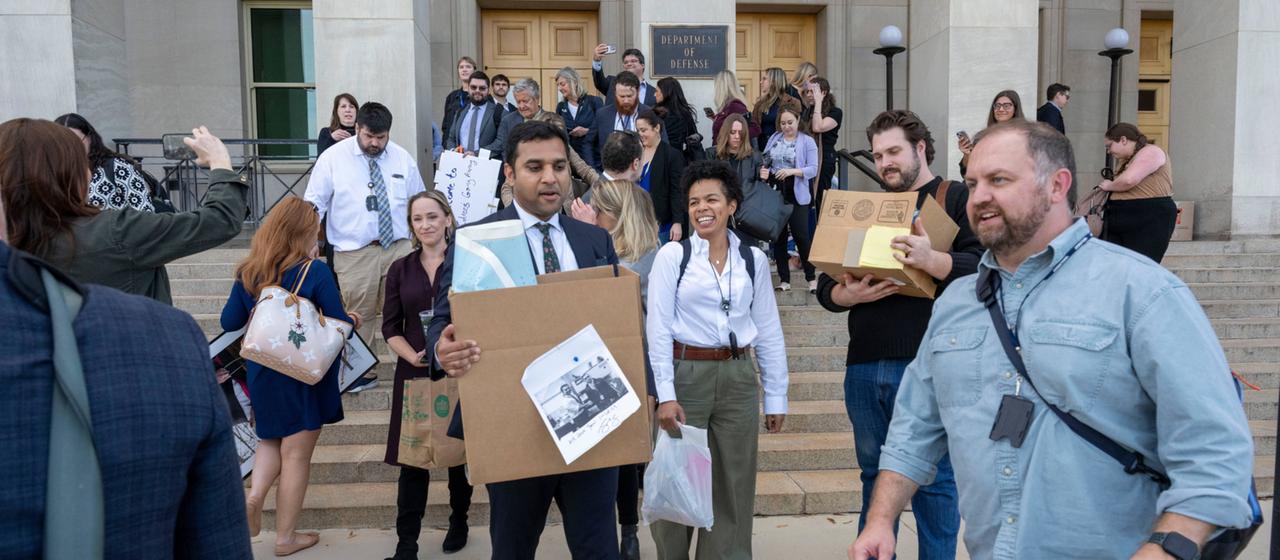
For decades, the Pentagon press corps has operated under a set of established norms, even as they navigated the complexities of wartime reporting and national security classifications. However, recent months have seen a departure from these norms. Journalists have reported increasingly restrictive protocols regarding access to the Pentagon’s press office and its briefing schedules. These restrictions often appear under the guise of “security protocols” or “operational necessity,” but for many in the media, they serve as a barrier to real-time information gathering.
One of the primary areas of concern involves the management of the press corps’ credentials and the ability to attend briefings that cover sensitive geopolitical conflicts. By tightening the criteria for who is considered a “legitimate” member of the press, or by limiting the scope of what can be discussed in open sessions, the Department of Defense can effectively curate the information that reaches the public. This “gatekeeping” function is particularly impactful in an era where rapid-fire news cycles demand immediate access to official stances on evolving military engagements.
The implications of these restrictions extend far beyond the immediate frustration of reporters. When access to the Pentagon’s press operations is curtailed, the ability of the media to provide a counter-narrative to official government statements is diminished. This lack of transparency can lead to a vacuum of information, which is often filled by unverified leaks or propaganda, ultimately undermining the public’s trust in both the military and the news organizations tasked with reporting on them.
the shift toward more controlled, “sanitized” information flows reflects a broader trend in how modern militaries manage their public image. In a digital-first world, where every smartphone is a potential camera, the desire to control the visual and informational narrative of military operations has become a central pillar of strategic communication. While this is a standard practice in many modern states, the methods used by the U.S. Government are increasingly being viewed through a lens of skepticism by international watchdog groups.
Legal Pressures and the Role of the Judiciary
While the Pentagon manages the physical and informational gates, the judiciary and the Department of Justice (DOJ) have been accused of applying a different kind of pressure: the legal weight of the state. The use of investigative tools typically reserved for criminal activity—such as subpoenas to obtain phone records, emails, and metadata—has increasingly been directed toward journalists and their sources. The stated goal is often to identify “leakers” of classified information, but the collateral damage frequently falls on the journalists themselves.
This legal pressure creates a “chilling effect” on investigative journalism. When reporters fear that their communications could be subject to judicial scrutiny or that their sources might face prosecution, the willingness to pursue sensitive stories regarding government misconduct or military intelligence failures decreases. The legal distinction between “newsgathering” and “criminal activity” is becoming increasingly blurred in the eyes of federal investigators, a trend that has drawn sharp rebukes from civil liberties organizations.
The tension is compounded by the complexity of modern legal mandates. While the Reporters Committee for Freedom of the Press and similar organizations argue that the First Amendment should provide robust protections for newsgathering, the government often relies on broad interpretations of national security laws to justify its actions. This creates a legal environment where journalists must navigate a minefield of potential litigation just to perform their fundamental duties.
The judiciary’s role in these matters is critical. Courts are often the final arbiters of whether a government request for journalistic information is a legitimate law enforcement action or an unconstitutional infringement on press freedom. However, the speed at which these legal battles unfold, combined with the high cost of defending against federal investigations, means that even if a journalist eventually wins in court, the professional and personal toll can be devastating.
The Digital Frontier: Surveillance and the Future of Transparency
As a technology editor, I observe that these traditional battles for press freedom are being fundamentally reshaped by digital innovation. The tools used by the government to monitor and restrict information are becoming more sophisticated, and the tools used by journalists to protect their sources are in a constant arms race with state-level surveillance capabilities. The “pressure” mentioned by observers is not just a matter of policy; it is a matter of technology.
Digital footprints are harder to erase than ever before. The metadata associated with a simple phone call or an encrypted message can provide enough information for the DOJ to map out a journalist’s network of sources. Even with the rise of end-to-end encryption, the physical seizure of devices and the legal compulsion to provide passwords present significant hurdles. This technological reality means that “access” is no longer just about being allowed into a room at the Pentagon; it is about the ability to communicate securely without being tracked by the very institutions being investigated.
the rise of AI-driven information management within government agencies allows for a level of narrative control that was previously impossible. Algorithms can now be used to monitor social media sentiment, identify potential leaks in real-time, and deploy counter-messaging with surgical precision. For the modern journalist, the challenge is no longer just finding the truth, but finding it in an environment saturated with state-managed digital content designed to obscure the facts.
To maintain transparency, the journalistic community is increasingly turning to advanced cryptographic tools, decentralized communication platforms, and specialized cybersecurity training. However, these are often temporary fixes in a landscape where the technological advantage remains heavily skewed toward the state. The battle for press freedom is moving from the courtroom to the server room, and the stakes have never been higher.
Key Takeaways: The State of US Press Freedom
- Institutional Friction: There is a documented increase in tension between the Department of Defense and the media, characterized by restricted access to briefings and press facilities.
- Legal Intimidation: The use of subpoenas and leak investigations by the DOJ is being criticized as a method of exerting pressure on journalists and protecting government secrecy.
- The Chilling Effect: Both physical restrictions and legal scrutiny contribute to an environment that discourages investigative reporting on sensitive national security topics.
- Technological Warfare: The battle for information has moved into the digital realm, where surveillance capabilities and encryption are central to the struggle for transparency.
- Democratic Impact: The erosion of press access and the targeting of journalists pose a long-term risk to the “Fourth Estate’s” ability to hold the US government accountable.
What Happens Next?
The current trajectory suggests that the conflict between government secrecy and media access will remain a defining issue of the mid-2020s. Observers are closely watching for several key developments that will serve as indicators of where this tension is headed:
- Upcoming Judicial Rulings: Decisions in pending cases involving the DOJ’s use of subpoenas against media members will set vital precedents for newsgathering protections.
- Pentagon Policy Reviews: Any official changes to the Department of Defense’s media relations protocols or credentialing processes will be closely scrutinized by the press corps.
- Legislative Action: Watch for potential movement in Congress regarding the strengthening of the Privacy Protection Act or other laws designed to shield journalists from government overreach.
As these legal and policy battles unfold, the global community will be watching to see if the United States continues to uphold its democratic traditions of transparency or if a new era of managed information is taking hold.
What are your thoughts on the growing tension between the US government and the media? Do you believe current national security laws go too far in restricting press freedom? Let us know in the comments below and share this article with your network to keep the conversation going.
Related reading