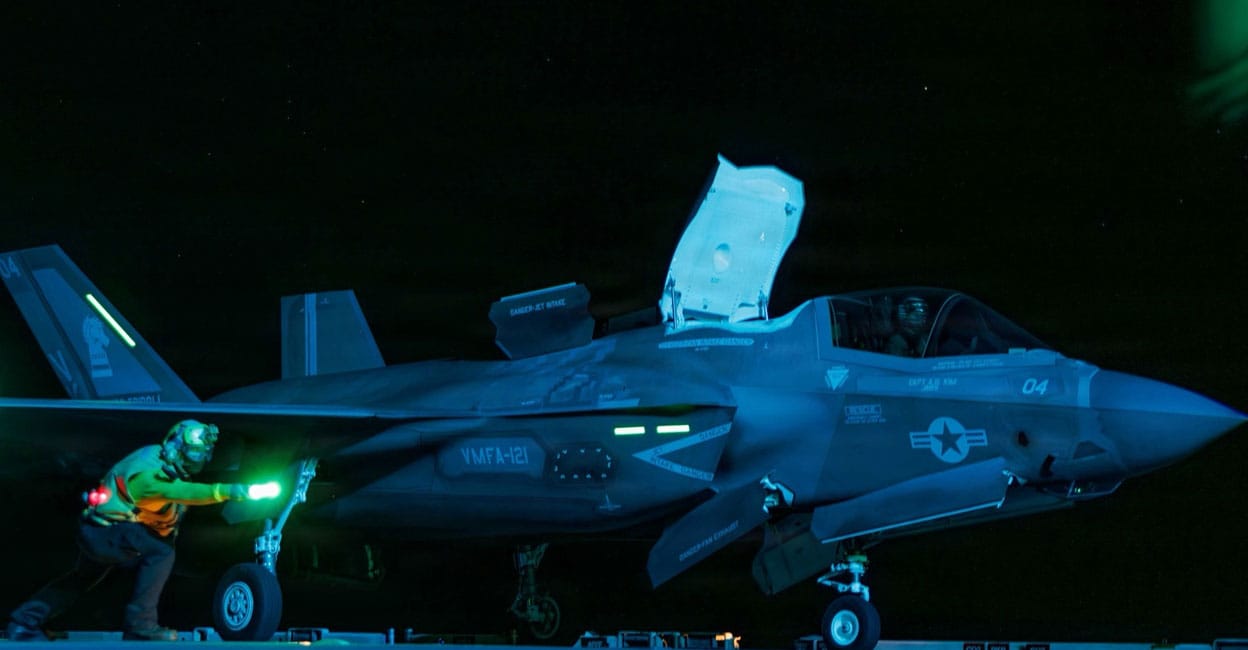
The geopolitical landscape of the Middle East has reached a critical flashpoint as the United States and Israel engage in an escalating military conflict with Iran. Tensions have surged following a series of strategic maneuvers, including a high-stakes naval standoff and prolonged aerial bombardments, leaving the global community concerned over the potential for a wider regional war and a catastrophic energy crisis.
Central to the current escalation is the strategic importance of the Strait of Hormuz. Following a declaration by U.S. President Donald Trump that the U.S. Navy would blockade the strait, Iran has responded with a stern warning. The Iranian Revolutionary Guard Corps has asserted that the Strait of Hormuz remains under the full control of Iranian security forces, cautioning that any “wrong move” by enemies would lead them into a “death spiral” according to reports from April 12, 2026.
This naval tension coincides with a broader military campaign. Reports indicate that the U.S. And Israel have conducted heavy bombing raids for approximately five weeks, utilizing advanced bunker-buster bombs in an attempt to neutralize Iran’s underground nuclear facilities. Despite the intensity of these strikes, international media and defense experts suggest that Iran’s nuclear centers have largely survived the onslaught, with critical equipment for nuclear weapon development remaining largely intact as of April 13, 2026.
The conflict has already begun to ripple through the global economy. The threat of a blockade in the Hormuz strait and the ongoing hostilities have pushed the world toward a global energy crisis, with significant impacts on oil prices and aviation fuel supplies in Europe. What the Trump administration initially envisioned as a short-term military operation has evolved into a protracted conflict with deep economic and political repercussions as analyzed in March 2026.
The Battle for the Strait of Hormuz and Naval Strategy
The Strait of Hormuz is one of the world’s most vital oil transit chokepoints. The announcement by President Donald Trump to blockade this waterway represents a significant escalation in the U.S. Strategy to pressure the Iranian government. By attempting to restrict maritime traffic, the U.S. Aims to exert maximum economic pressure on Tehran, which relies heavily on the strait for its oil exports.
However, the Iranian response highlights the tactical difficulty of such a blockade. The Revolutionary Guard Corps’ claim of “full control” over the waters suggests that Iran is prepared to leverage its asymmetric naval capabilities—including fast attack boats and coastal missiles—to challenge U.S. Naval hegemony in the region. The warning that enemies would be caught in a “death spiral” underscores the high risk of direct naval engagement, which could lead to the sinking of warships and an immediate spike in global oil prices.
The strategic deadlock in the Gulf is further complicated by the presence of other regional actors. While the primary combatants are the U.S., Israel, and Iran, the involvement of Turkey and the statements of leaders like Recep Tayyip Erdoğan indicate a complex web of diplomatic attempts and tensions that accompany the military movements.
Resilience of Iranian Nuclear Facilities
A primary objective of the U.S.-Israeli campaign has been the degradation of Iran’s nuclear capabilities. For five weeks, the coalition has deployed high-penetration bunker-buster munitions designed to destroy reinforced underground sites. These facilities are often buried deep within mountains, making them some of the most hard targets in modern warfare.
Despite these efforts, reports from Isfahan and other nuclear hubs indicate that the core infrastructure remains operational. Defense experts note that the primary equipment necessary for the development of nuclear weapons has not suffered significant damage. This survival suggests that Iran’s investment in deep-underground hardening has been effective against current Western munitions reported April 13, 2026.
The persistence of these facilities raises a critical question for the international community: will Iran now move toward the actual production of nuclear weapons? Historically, Iran has cited political and religious reasons for not developing a nuclear arsenal. However, the current level of external aggression may be altering Tehran’s strategic calculus, potentially pushing them toward a “breakout” capability to deter further attacks.
Global Energy Implications and Economic Fallout
The conflict has transcended military objectives to become a systemic threat to global energy security. The volatility in the Middle East has already triggered a severe aviation fuel crisis in Europe, as supply chains are disrupted and risk premiums soar. This energy instability is a direct result of the uncertainty surrounding the Strait of Hormuz.

American media outlets, including CNN, have reported that the conflict is not progressing according to the original U.S. Plan. The transition from a “few-week military action” to an “endless war” has created a vacuum of predictability for global markets. The economic fallout includes:
- Oil Price Volatility: Constant threats of a blockade keep crude prices unstable, affecting inflation globally.
- Supply Chain Disruptions: The risk to shipping in the Persian Gulf affects not only oil but other essential commodities.
- European Energy Stress: A specific shortage of aviation fuel is impacting European transport sectors.
The lack of an active mediator in the conflict further exacerbates these risks. With no clear diplomatic path to a ceasefire, the global economy remains hostage to the tactical decisions made by the Trump administration and the Iranian leadership.
Key Takeaways of the Current Conflict
- Naval Standoff: The U.S. Has threatened a blockade of the Strait of Hormuz. Iran claims full control and warns of a “death spiral” for any intruders.
- Nuclear Survival: Despite five weeks of bunker-buster attacks, Iran’s underground nuclear facilities remain largely intact.
- Energy Crisis: The conflict has led to a global energy crisis, specifically impacting aviation fuel in Europe and overall oil price stability.
- Strategic Shift: The U.S. Military operation has evolved from a short-term strike into a prolonged conflict with significant geopolitical and economic consequences.
As the situation remains fluid, the world watches the movements of the U.S. Navy and the responses from Tehran. The next critical checkpoint will be the official response from the Trump administration regarding the Iranian Revolutionary Guard’s claims of control over the Strait of Hormuz and any further developments regarding the status of nuclear facilities in Isfahan.
We encourage our readers to share this report and exit their thoughts in the comments section regarding the impact of this conflict on global stability.
Related reading