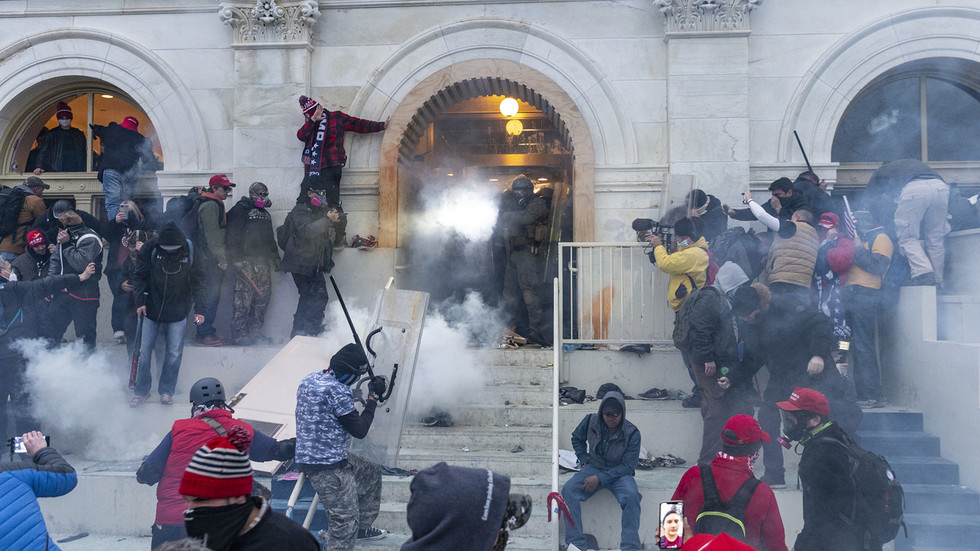
The United States Department of Justice has taken a significant step toward closing the legal chapter of the January 6 Capitol attack by requesting that a federal appeals court vacate the convictions of several former members of the Proud Boys and Oath Keepers. This move targets individuals convicted of seditious conspiracy for their roles in the 2021 unrest, potentially wiping away some of the most severe legal outcomes tied to the events.
On Tuesday, April 14, 2026, the Justice Department formally requested that the court overturn these convictions for those who were not previously covered by President Donald Trump’s initial clemency actions according to ABC News. Filings from prosecutors in the D.C. U.S. Attorney’s office indicate that the current administration no longer has an interest in seeking to uphold these specific convictions.
This legal maneuver follows a broader pattern of clemency. On the first day of his second term in office, President Trump issued blanket pardons for anyone at or near the Capitol on January 6, 2021, as well as specific pardons for more than 1,500 individuals charged with or convicted of crimes related to the attack as reported by ABC News. While many top leaders of the Proud Boys and Oath Keepers saw their sentences commuted to time served, this latest DOJ action addresses those who remained legally convicted despite the wider wave of pardons.
The Scope of the January 6 Legal Fallout
The effort by the US DOJ to overturn convictions for far-right Capitol rioters comes against a backdrop of immense legal and physical toll. According to figures released by the U.S. Attorney’s Office, nearly 1,600 individuals have faced charges associated with the attack on the U.S. Capitol per ABC News.
The violence of that day resulted in significant casualties and legal repercussions. The DOJ has stated that approximately 140 law enforcement officers were injured during the riot, and 608 individuals faced charges for assaulting, resisting, or interfering with law enforcement officers attempting to protect the Capitol complex according to DOJ data.
Seditious Conspiracy and Far-Right Groups
The convictions the DOJ now seeks to vacate are specifically those for seditious conspiracy. This charge is among the most serious in the U.S. Legal system, typically reserved for those attempting to overthrow the government or interfere with the execution of federal law.
The groups at the center of these cases, the Proud Boys and the Oath Keepers, have been identified as extremist organizations. Members of these groups, such as Proud Boys leader Joe Biggs, were among those involved in the breach of the Capitol in an attempt to disrupt the certification of the 2020 Electoral College victory as noted by ABC News.
What This Means for the Justice System
The decision to vacate these convictions suggests a pivot in the federal government’s approach to the January 6 prosecutions. By requesting that the appeals court toss these convictions, the DOJ effectively removes the need for the government to defend the original seditious conspiracy charges in court.
For the affected defendants, a vacated conviction is a significant legal victory, as it essentially nullifies the judgment. This move could potentially wipe away the final remaining convictions tied to the Capitol attack, completing the trajectory started by the sweeping clemency grants issued in January according to The Hill.
Key Legal Timeline and Figures
| Category | Detail/Statistic | Source/Context |
|---|---|---|
| Total Individuals Charged | Nearly 1,600 | U.S. Attorney’s Office |
| Pardoned (Day 1) | 1,500+ | Presidential Clemency |
| Injured Officers | Approximately 140 | Department of Justice |
| Assault/Interference Charges | 608 individuals | U.S. Attorney’s Office |
| Current DOJ Action | Vacate Seditious Conspiracy Convictions | April 14, 2026 Request |
Looking Ahead
The request now rests with the federal appeals court. The court must decide whether to grant the Justice Department’s request to vacate the convictions of the remaining Proud Boys and Oath Keepers members. If granted, these individuals will no longer be considered convicted of seditious conspiracy.
The next confirmed checkpoint in this process will be the court’s ruling on the DOJ’s motion to vacate. Further updates will depend on the appeals court’s schedule for reviewing the filings submitted on April 14.
We invite our readers to share their perspectives on these legal developments in the comments below. Please share this article to keep others informed on global geopolitical shifts.
Related reading