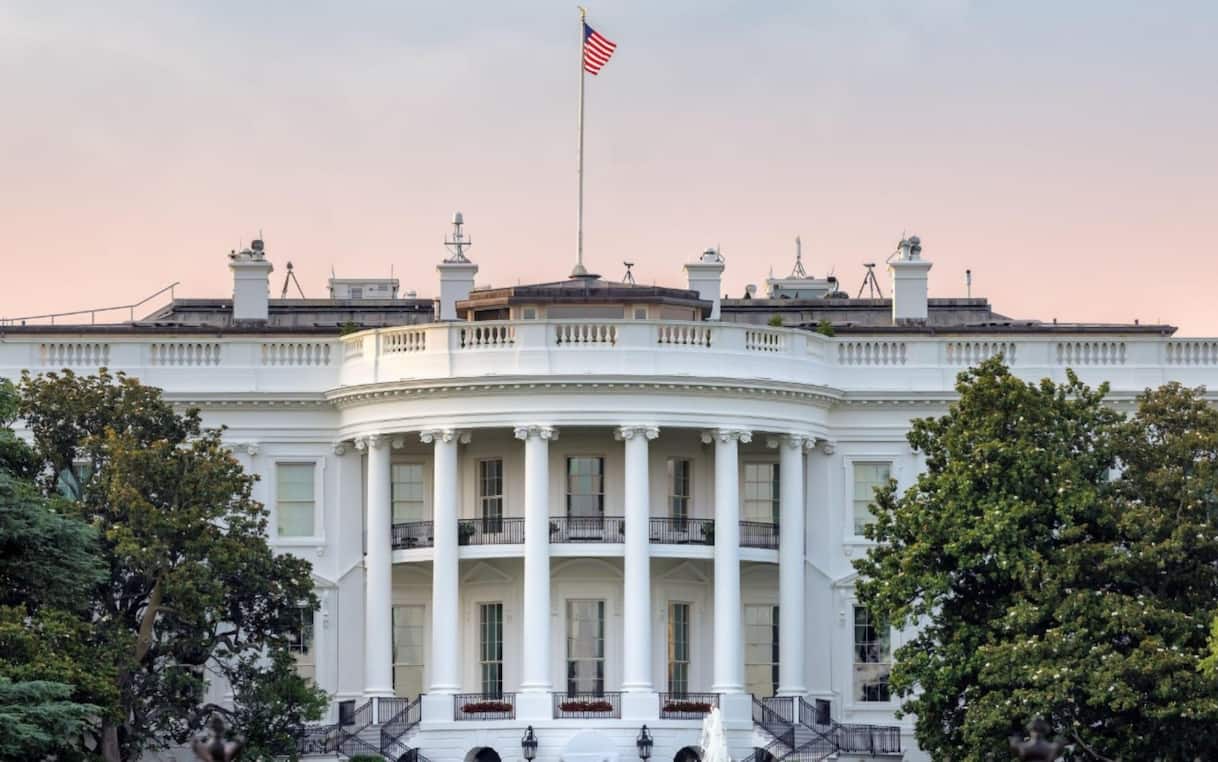
The United States has extended a waiver allowing certain transactions involving Russian oil until May 16, 2025, according to official notices published by the U.S. Department of the Treasury. The decision, which maintains a limited carve-out in existing sanctions, aims to prevent abrupt disruptions to global energy markets while sustaining pressure on Russia’s revenue streams linked to its invasion of Ukraine. The extension follows a pattern of periodic reviews initiated after the initial sanctions package was imposed in early 2022.
The waiver specifically permits the continued operation of certain energy-related infrastructure and services tied to Russian oil, including insurance, shipping, and financial transactions necessary for the flow of crude to countries that have not joined the Western sanctions regime. Officials emphasize that the measure does not authorize new investments in Russian energy projects or the purchase of Russian crude oil by U.S. Persons or entities under U.S. Jurisdiction.
According to a Treasury Department fact sheet reviewed on May 8, 2025, the extension applies to specific licenses issued under the Russian Sanctions Regulations, particularly those related to the winding down of pre-sanctions commitments. The authorization does not extend to dealings with sanctioned entities such as Rosneft, Gazprom Neft, or Transneft, which remain subject to full blocking sanctions.
The move comes amid ongoing diplomatic efforts to negotiate a ceasefire in Ukraine, with U.S. Officials stating that energy market stability remains a priority in broader discussions with European allies and G7 partners. The Treasury Department noted that the extension is subject to review and could be modified or terminated based on evolving circumstances, including compliance with international agreements or changes in Russia’s behavior.
Energy analysts say the waiver helps prevent a sudden shock to global oil supplies, particularly for countries like India and China that continue to import Russian crude at discounted rates. Although, critics argue that any loophole in sanctions undermines their effectiveness and risks enabling revenue flows that fund Russia’s war effort.
Background on U.S. Sanctions and Russian Oil Waivers
The United States, alongside the European Union and G7 nations, implemented a comprehensive sanctions regime against Russia following its full-scale invasion of Ukraine in February 2022. Measures included blocking sanctions on major Russian banks, export controls on high-tech goods, and restrictions on energy exports. A key component was the G7 price cap on Russian seaborne crude oil, set at $60 per barrel, designed to limit Moscow’s revenue while keeping oil flowing to global markets.
To avoid market instability, the U.S. Treasury issued general licenses authorizing certain wind-down activities and ongoing services related to pre-existing contracts. These licenses have been periodically renewed, typically in 90-day increments, though the current extension runs for approximately one month, ending May 16, 2025.
The latest extension was announced without a public statement but was confirmed through an update to the Treasury’s sanctions compliance guidance published on its official website. The notice specifies that the authorization covers activities necessary to maintain the operation of energy infrastructure, including tanker operations, insurance, and financial processing, provided they do not involve new transactions with sanctioned parties.
Reuters reported on May 7, 2025, that the extension reflects a balancing act between maintaining sanctions pressure and avoiding unintended consequences for global energy security, particularly as seasonal demand increases ahead of the Northern Hemisphere summer.
Reactions from Ukraine, Russia, and International Partners
Ukrainian officials have criticized the extension, describing it as a concession that weakens the impact of sanctions. In a statement posted on the official website of the Ministry of Foreign Affairs of Ukraine on May 8, 2025, a spokesperson said that any allowance for continued Russian oil transactions, however limited, provides financial resources that could be used to sustain military operations.
Russian officials have not publicly addressed the specific extension but have previously characterized Western sanctions as illegal and harmful to global markets. Kremlin spokesperson Dmitry Peskov, in a press briefing on May 5, 2025, reiterated that Russia would continue to redirect its energy exports to non-sanctioning countries and adapt to existing restrictions.
European Union officials have acknowledged the U.S. Decision but emphasized that the EU’s own sanctions framework does not include equivalent waivers for Russian oil. The European Commission reiterated its commitment to enforcing the price cap and preventing circumvention through third countries, noting that coordination with the U.S. Remains ongoing through the G7 and the Energy Sanctions Coordination Group.
India’s Ministry of Petroleum and Natural Gas confirmed in a press briefing on May 6, 2025, that it continues to purchase Russian crude oil under terms that comply with the G7 price cap, noting that such purchases are conducted through intermediaries and involve strict adherence to pricing mechanisms. The ministry stated that energy security remains a national priority, particularly given domestic demand growth.
Impact on Global Energy Markets and Sanctions Enforcement
Energy analysts at the International Energy Agency (IEA) noted in a briefing note dated May 3, 2025, that Russian crude exports have remained relatively stable over the past year, averaging around 6.8 million barrels per day, with significant volumes redirected to Asia. The IEA added that compliance with the price cap has been uneven, with some shipments reportedly traded above the $60 threshold, though verification remains challenging due to complex shipping and insurance arrangements.
Researchers at the Brookings Institution, in a paper published on April 28, 2025, argued that sanctions on Russian energy have reduced federal budget revenues by an estimated 40% compared to pre-invasion levels, but noted that non-compliance and evasion tactics continue to limit the full impact. The study emphasized the importance of closing loopholes and strengthening secondary sanctions on entities facilitating sanctions evasion.
The U.S. Treasury’s Office of Foreign Assets Control (OFAC) has increased enforcement actions in recent months, issuing penalties to companies and individuals accused of violating sanctions through deceptive practices, including ship-to-ship transfers and falsified documentation. In April 2025, OFAC announced settlements with two maritime firms totaling over $12 million for alleged violations related to Russian oil shipments.
Despite these efforts, experts warn that the persistence of demand from major importers, combined with the complexity of global shipping and insurance networks, creates ongoing challenges for enforcement. The extension of the waiver, while limited in scope, underscores the difficulty of achieving complete isolation of a major energy producer without triggering broader economic repercussions.
What Happens Next
The current authorization remains in effect until May 16, 2025, after which the U.S. Treasury will reassess whether to extend, modify, or terminate the waiver based on prevailing conditions. No automatic renewal is in place, and any future action will be published in the Federal Reserve’s sanctions guidance and announced through official channels.
Stakeholders in the energy sector, including shipping companies, insurers, and trading houses, are advised to monitor updates from the U.S. Department of the Treasury’s sanctions compliance page and consult legal counsel to ensure ongoing compliance with evolving regulations.
For the latest official information on U.S. Sanctions related to Russia, including license authorizations and prohibited transactions, the public can refer to the sanctions program page maintained by the Office of Foreign Assets Control (OFAC) on the U.S. Department of the Treasury website.
As the situation continues to evolve, the extension of this waiver highlights the ongoing tension between enforcing accountability for Russia’s actions in Ukraine and maintaining stability in interconnected global markets. The coming weeks will determine whether this limited carve-out is adjusted, expanded, or allowed to expire as part of the broader sanctions strategy.
We invite readers to share their perspectives on the balance between sanctions effectiveness and market stability in the comments below. If you found this analysis informative, please consider sharing it with others interested in global affairs and energy policy.
Worth a look