
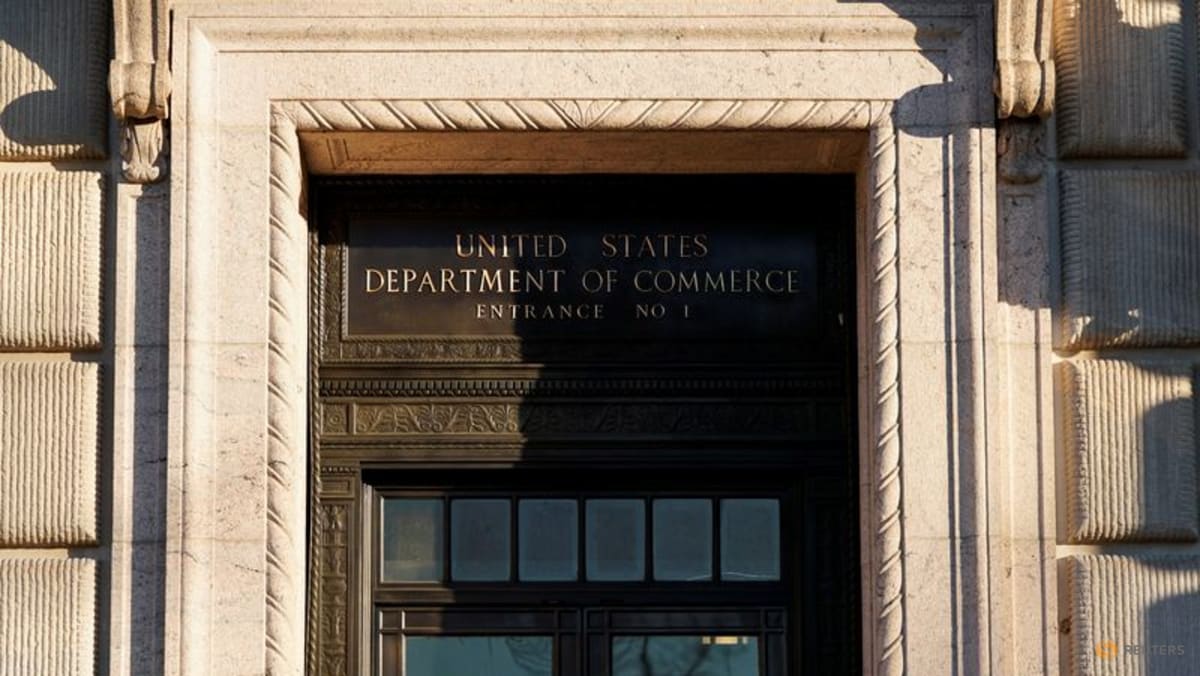
The sudden removal of detailed information from a U.S. Government website regarding security testing agreements with the world’s leading artificial intelligence firms has sparked a debate over transparency and the governance of frontier AI models.
On Monday, May 11, 2026, it was observed that the U.S. Department of Commerce had deleted specific details concerning its arrangements with Microsoft, Google, and xAI. These agreements were designed to facilitate the vetting of advanced AI models for potential national security risks before their public release, a process critical to preventing the misuse of AI in developing biological or cyber weapons.
The disappearance of these records comes shortly after the public announcement of the partnerships. The move has raised questions among policymakers and industry observers about whether the government is tightening the secrecy surrounding its “red-teaming” protocols or if the nature of the agreements with these tech giants is shifting toward a more classified framework.
As the race to develop Artificial General Intelligence (AGI) accelerates, the US government AI security testing agreements represent a pivotal attempt by Washington to maintain a “safety buffer” between laboratory breakthroughs and commercial deployment. The removal of this documentation suggests a growing tension between the public’s right to know how AI is being regulated and the state’s need to protect sensitive vulnerability data from foreign adversaries.
The Removal of AI Testing Documentation
The information removed from the Department of Commerce website detailed a collaborative framework where the government could gain early access to “frontier” models—the most powerful and capable AI systems—to test them for security vulnerabilities. According to reports from May 5, 2026, these deals specifically involved Microsoft, Google DeepMind, and xAI, ensuring that the government could evaluate the models for risks tied to national security.
While the government has not issued a formal explanation for the deletion, the timing is significant. The agreements were intended to provide a transparent roadmap for how the U.S. Would oversee the safety of models that could potentially impact critical infrastructure or strategic defense. By removing the specifics of these agreements, the Commerce Department has effectively limited the public’s visibility into the criteria used to determine whether a model is “safe” for release.
Understanding the AI Safety Framework
At the heart of these agreements is the concept of “red-teaming,” a rigorous security practice where experts simulate attacks or attempt to trick an AI model into producing harmful content. In the context of national security, this involves testing whether a model can provide instructions for creating chemical weapons, facilitate large-scale cyberattacks, or assist in the development of autonomous weaponry.

The U.S. Government’s approach, largely coordinated through the AI Safety Institute (AISI), seeks to move from voluntary commitments to a more structured pre-deployment vetting process. By partnering with firms like Google and Microsoft, the government aims to identify “catastrophic risks” before they are baked into a product used by millions of people. XAI’s inclusion in these tests highlights the government’s effort to encompass a broader spectrum of the AI ecosystem, including newer, more aggressive developers.
This framework is designed to address the “black box” nature of large language models (LLMs). Because developers themselves often cannot predict every possible output of a complex model, independent government testing serves as a critical secondary layer of defense.
The Balance Between Transparency and Security
The decision to delete the testing details reflects a classic dilemma in national security: the trade-off between transparency and operational security. If the government publishes the exact parameters, benchmarks, and methodologies used to test AI models, it may inadvertently provide a roadmap for malicious actors to bypass those very safeguards.

Critics of the removal argue that transparency is the only way to ensure that the government is not granting “regulatory capture” to a few powerful companies. Without public documentation, there is no way to verify if the testing is sufficiently rigorous or if certain companies are receiving preferential treatment in the approval process. The risk is that “safety” becomes a proprietary secret shared only between the regulator and the regulated, leaving the global public in the dark.
Conversely, proponents of the move suggest that the details of these tests are too sensitive for a public-facing website. In an era of intense geopolitical competition, revealing the specific vulnerabilities the U.S. Is looking for in AI models could tip off adversaries about the current capabilities—and weaknesses—of American AI infrastructure.
Industry Implications and Next Steps
For the AI industry, this shift signals that the “honeymoon phase” of voluntary safety guidelines is ending. The transition toward more opaque, government-led security vetting suggests that AI is now being treated with the same level of sensitivity as nuclear technology or advanced cryptography.

Companies like Microsoft and Google, which have already integrated AI into the core of their cloud and productivity suites, may face increased pressure to align their internal safety benchmarks with these undisclosed government standards. For xAI, the partnership provides a level of institutional legitimacy, even as the details of that legitimacy are scrubbed from public view.
The impact extends beyond the U.S. Borders. As the U.S. Sets the precedent for AI governance, other nations in the G7 and the EU are watching closely. If the U.S. Moves toward a closed-door approach to security testing, it may trigger a global trend where AI safety becomes a matter of state secrets rather than international scientific cooperation.
Key Takeaways on AI Security Vetting
- Scope of Agreements: The U.S. Government sought early access to models from Microsoft, Google, and xAI to vet them for national security risks.
- The Action: Details of these agreements were removed from the Department of Commerce website on May 11, 2026.
- The Goal: To prevent the deployment of AI models that could assist in cyberwarfare or the creation of biological threats.
- The Controversy: The removal creates a tension between the need for public transparency in AI governance and the need to protect sensitive security protocols.
The next confirmed checkpoint for this story will be the upcoming quarterly report from the AI Safety Institute, which is expected to outline the general progress of pre-deployment testing without revealing specific company data. Whether the government will restore the documentation or move toward a fully classified vetting process remains to be seen.
Do you believe AI security testing should be transparent or kept secret for national security? Share your thoughts in the comments below or share this article to join the conversation.