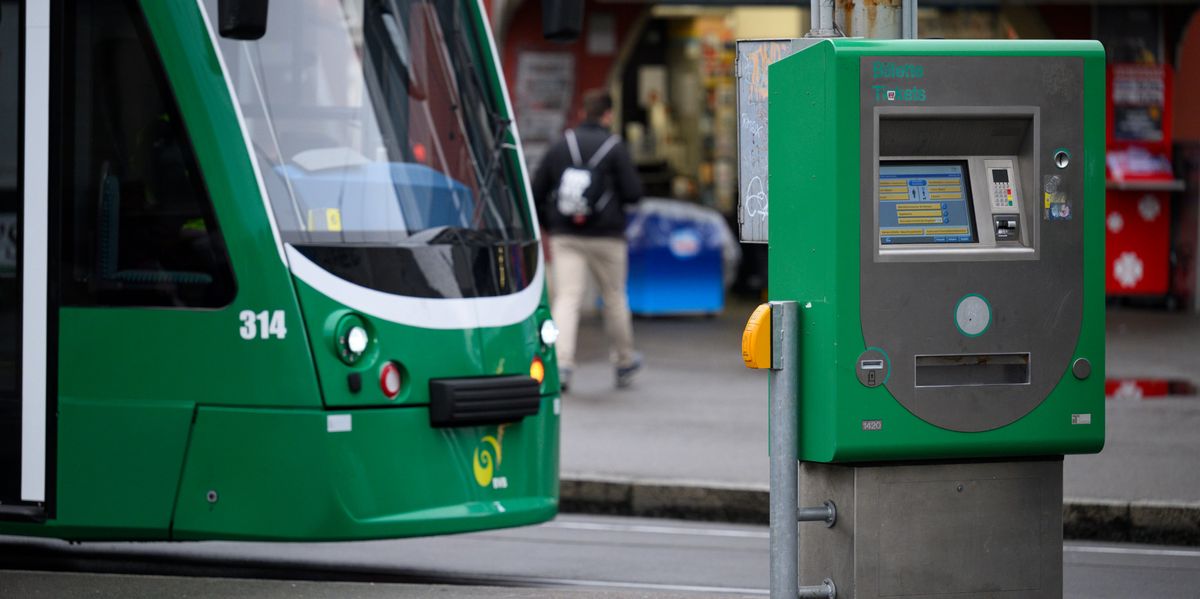
The streets and rails of northwestern Switzerland are buzzing with a renewed energy as Basel public transport ridership reaches a pivotal milestone. New data indicates that passenger numbers within the region’s integrated transport network have not only recovered from the stagnation of the pandemic years but have officially surpassed pre-pandemic levels.
This resurgence is more than a simple return to routine; it represents a fundamental shift in how the region’s population interacts with urban mobility. The recovery is being driven by a combination of returning commuters and a surging interest in sustainable transit among the younger generation, signaling a long-term transition toward greener city travel.
At the center of this growth is the Tarifverbund Nordwestschweiz (TNW), the organization responsible for the integrated fare system in Northwest Switzerland. By streamlining access across various modes of transport—including trams, buses, and regional trains—the TNW has created a seamless environment that is now attracting more users than it did before the global health crisis of 2020.
The Youth Surge: Driving the Recovery
While the general return to office-based work has contributed to the rise in passenger volume, the most striking trend is the demographic shift in subscription holders. There has been a marked increase in the sale of youth subscriptions, specifically the “U-Abo” (subscriptions for those under a certain age), which has outpaced the growth seen in other age brackets.
This trend suggests that younger residents are opting for public transit not just out of necessity, but as a preferred lifestyle choice. For students and young professionals in the Basel area, the convenience of a single pass for the entire regional network outweighs the costs and stresses of private vehicle ownership.
The rise in youth engagement is a critical indicator for urban planners. When a generation adopts public transit as their primary mode of transport, it creates a “lock-in” effect that can permanently reduce the reliance on private cars, leading to less congestion and lower carbon emissions across the metropolitan area.
Understanding the TNW Integrated System
To understand why ridership is climbing, it is essential to understand the role of the Tarifverbund Nordwestschweiz. In many cities, passengers must navigate multiple ticket systems for different companies. The TNW eliminates this friction by providing a unified tariff zone system.
Under this model, a single ticket or subscription allows a passenger to travel across different transport operators within the designated zones of Northwest Switzerland. This integration is a cornerstone of the region’s “sustainable mobility” strategy, making the transition from a bus to a regional train effortless for the user.
This system is particularly effective in a border city like Basel, where the flow of people between Switzerland, France, and Germany is constant. The ability to move fluidly across the urban landscape encourages residents to leave their cars at home, directly contributing to the current spike in passenger numbers.
Why Post-Pandemic Growth Matters
The transition from “recovery” to “growth” is a significant psychological and economic threshold for public transit agencies. During the pandemic, transit systems worldwide faced an existential crisis as remote work became the norm. The fact that Basel has moved beyond 2019 levels suggests that the “hybrid work” era has not killed public transit, but rather reshaped it.

Current data reflects a new pattern of usage. While the traditional Monday-to-Friday peak may have shifted, overall volume is increasing. This indicates that people are using the network for a wider variety of purposes—leisure, education, and flexible work schedules—rather than just the rigid 9-to-5 commute.
Basel in the Broader Swiss Context
Basel’s success is mirrored in a wider national trend. Switzerland has long been a global leader in rail and public transport, and recent figures from the Swiss Federal Statistical Office indicate a general upward trajectory for public transportation shares in motorized personal transport across the country.
The Swiss approach combines high-frequency service with extreme reliability and deep integration. In Basel, this manifests as a dense network of trams and buses that complement the regional rail lines, ensuring that almost no part of the city center is more than a few minutes’ walk from a transit stop.
This infrastructure makes the “U-Abo” and other subscriptions highly valuable. When the service is reliable and the pricing is integrated, the economic incentive to switch from a car to a pass becomes overwhelming, especially for those in the youth demographic who are more sensitive to both cost and environmental impact.
Impact on Urban Sustainability
The increase in Basel public transport ridership is a win for the city’s climate goals. By shifting thousands of daily trips from private combustion-engine vehicles to electric trams and optimized bus routes, the city is actively reducing its urban heat island effect and improving air quality.
the increased revenue from subscription sales allows the TNW and its partners to reinvest in the network. This creates a “virtuous cycle”: higher ridership leads to more funding, which leads to better service, which in turn attracts even more passengers.
Key Takeaways for the Region
- Ridership Milestone: Passenger numbers in the TNW network have officially exceeded pre-pandemic levels.
- Youth Influence: A significant spike in “U-Abo” subscriptions shows that younger generations are leading the shift toward transit.
- System Efficiency: The integrated fare system of the Tarifverbund Nordwestschweiz remains the primary driver of user convenience.
- Environmental Gain: Increased transit use directly supports Basel’s goals for sustainable urban mobility and reduced emissions.
What Happens Next?
As the TNW continues to monitor these growth trends, the focus is expected to shift toward capacity management. Surpassing pre-pandemic levels is a success, but it also puts pressure on existing infrastructure during peak hours. The next phase of development will likely involve optimizing frequency and expanding capacity to ensure that the user experience remains high as the network grows.
Official updates regarding fare adjustments and network expansions are typically released through the TNW annual reports and regional transport planning meetings. Residents and commuters are encouraged to monitor the official TNW portal for updates on new subscription tiers or route optimizations.
Do you think integrated fare systems are the key to saving urban transit globally, or is the shift driven more by environmental consciousness? Share your thoughts in the comments below.