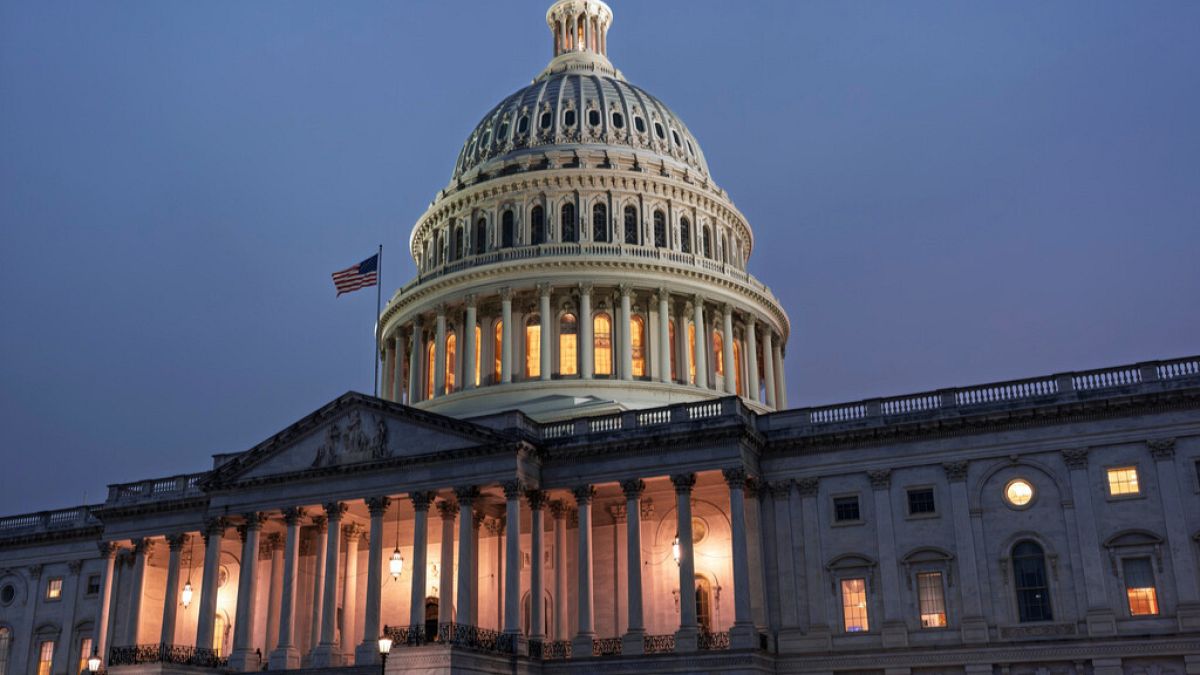
US Government Enters Shutdown as Funding Stalls in Senate
The United States federal government officially entered a shutdown Wednesday at midnight (6:00 AM CET) after a critical vote failed in the Senate. Democrats blocked a last-minute Republican bill aimed at extending federal funding for an additional seven weeks,triggering a lapse in government operations.
This shutdown stems from a deep partisan divide over budgetary priorities and policy demands. Republicans, holding 54 seats, fell short of the 60 votes needed to pass the funding extension, with the vote concluding 55-45.
Key Issues Driving the Impasse
Several key sticking points fueled the deadlock, with Democrats leveraging their position to push for concessions. Specifically, they are seeking:
* Immediate negotiations on extending Affordable care Act (ACA) health subsidies. These subsidies are crucial for preventing significant premium increases for millions of Americans.
* Reversal of proposed cuts to Medicaid. democrats argue these cuts would disproportionately harm vulnerable populations.
how a Shutdown Impacts Federal Workers. Now that funding has lapsed, federal agencies are legally obligated to furlough “non-excepted” employees. These are workers whose jobs aren’t deemed essential for protecting life and property. While “excepted” employees continue working, they won’t receive paychecks untill the shutdown concludes.
The Congressional Budget Office estimates approximately 750,000 federal employees could be furloughed each day the shutdown persists. Consequently, the Office of Management and Budget has directed agencies to implement their pre-planned shutdown procedures.
A History of Blame and Standoffs
Following Tuesday’s vote, reaching a compromise appeared increasingly unlikely. Both parties engaged in public accusations, refusing to yield on their core positions. Senate Democratic Leader Chuck Schumer accused Republicans of attempting to “bully” Democrats by refusing to negotiate on the ACA tax credits.
“We hope they sit down with us and talk,” Schumer stated after the vote. “Otherwise, the Republicans will be driving us straight towards a shutdown tonight at midnight.”
President Donald Trump also weighed in, stating Tuesday that a shutdown was “probably likely” and placing responsibility on Democrats. He further threatened potential repercussions,suggesting cuts to programs favored by democrats if a resolution wasn’t reached.
Past Shutdowns Offer Context. This isn’t the frist time the US government has faced this situation. The most recent shutdown occurred from December 2018 to January 2019, during Trump’s first term, and centered on disagreements regarding immigration and border security.
What Does This Mean for You?
A government shutdown can have far-reaching consequences, impacting a wide range of services and programs. You may experience delays in:
* Passport processing.
* National park access.
* Federal loan applications.
* Certain social security and veteran’s benefits.
The duration and severity of these impacts will depend on how quickly Congress and the White House can reach a resolution. For now, the nation awaits a breakthrough as the shutdown unfolds.
- Iraqi PM Postpones Saudi Trip After US Strikes as Qatar Energy Tanker Exits Strait of Hormuz
- How a $70M Family Investment in Guinness Nigeria Grew to Over $350 Million
- Ralph Norman and Darline Graham Lead SC Senate Primary Poll Ahead of Vote (archyworldys.com)
- The Senate Blue Slip, Explained: The Custom Trump Wants Gone (daybreakwire.com)