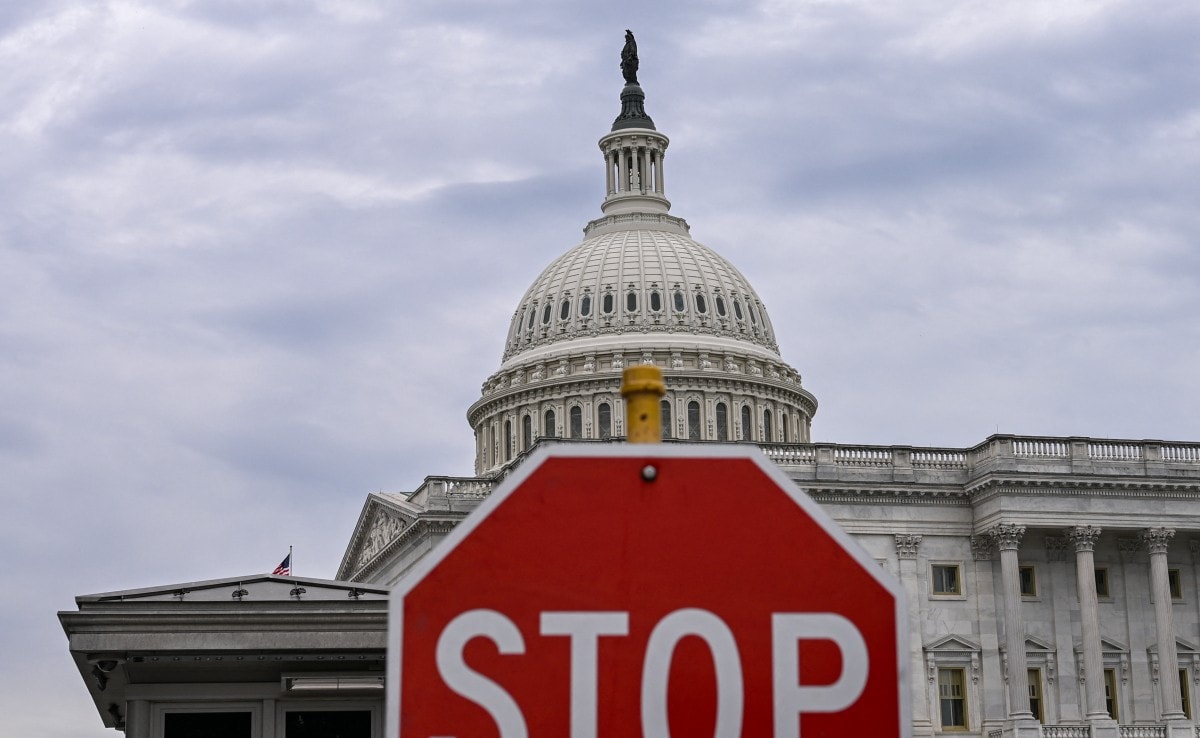
US Government Shutdown: What You Need to Know
The United States is currently experiencing a government shutdown, marking the first such event in almost seven years. This situation stems from a deadlock in Congress regarding funding legislation, leaving millions of Americans facing disruptions to vital services. Let’s break down what’s happening, what it means for you, adn what the potential path forward looks like.
The Standoff: A Battle Over Priorities
A crucial funding bill failed to pass, triggering the shutdown on October 1st. Democrats and Republicans are locked in a dispute over the terms of the budget. Democrats are prioritizing key provisions like extending affordable healthcare tax credits, safeguarding Medicaid – the health program for low-income and elderly Americans – and preventing cuts to government health agencies.
Republicans, though, are seeking different outcomes, creating a significant impasse. Initial attempts at a temporary solution, known as a stopgap measure, cleared the House but ultimately stalled in the Senate. Currently, both sides appear firmly entrenched in their positions, with eleven Senate votes to reopen the government already failing.
What Does This Mean For You? Impacts of the Shutdown
A government shutdown doesn’t mean everything stops. Essential services continue, but a significant number of federal employees are either furloughed (temporarily unpaid leave) or working without immediate compensation. Here’s a detailed look at what’s affected and what remains operational:
Disrupted Services – Expect Delays & Closures:
* Air Travel: Thousands of flights are experiencing delays or cancellations due to staffing shortages among air traffic controllers.
* Federal workforce: Approximately 1.4 million federal employees are facing financial uncertainty due to unpaid leave or working without pay.
* Research & Development: Crucial projects at agencies like the National Institutes of Health are temporarily suspended.
* Small Businesses: Many companies relying on federal contracts are experiencing significant income loss.
* Food Assistance: Supplemental Nutrition Assistance Program (SNAP) funds are dwindling, impacting over 41 million americans.
* Education & Childcare: Federally funded programs, including some preschools, are currently closed.
* National Parks & Landmarks: Iconic destinations like Alcatraz Island and the Washington Monument are inaccessible to the public.
Still Operating – Though Perhaps Strained:
* Law enforcement & Border Security: Border protection, law enforcement, and Immigration and Customs Enforcement (ICE) continue to function.
* Healthcare: Hospital medical staff remain on duty,providing essential care.
* Postal Service: Mail delivery continues uninterrupted, as the Postal Service is self-funded.
* Social Security & Medicare: Payments will continue, though support services may be limited.
* Congress: Members of Congress will continue to receive their paychecks.
Looking Ahead: What’s Next?
The situation remains fluid and highly uncertain.Senate Majority leader John Thune has indicated that both parties are holding firm to their demands. Reaching a compromise will require significant negotiation and a willingness to address the concerns of both sides.
You can expect continued debate and potential further votes in the Senate as lawmakers attempt to find a resolution. The length of the shutdown will depend entirely on the ability of Democrats and Republicans to bridge the gap and agree on a funding plan.
This is a developing story, and we will continue to provide updates as they become available. It’s a challenging time, but understanding the situation and its potential impacts is the first step in navigating these uncertain circumstances.
Worth a look