
Sofia, Bulgaria — May 13, 2026 — The global oil market is experiencing its most severe disruption in decades as the United States has formally acknowledged that energy supply chain disruptions in the Gulf region—particularly through the Strait of Hormuz—are far worse than initially projected. In a major policy shift, the White House declared a National Energy Emergency in January 2025, citing “unusual and extraordinary threats” to national security stemming from inadequate domestic energy infrastructure and foreign interference in global commodity markets.
The latest assessment marks a dramatic escalation in Washington’s public warnings about the crisis, with officials now describing the situation as an “active threat” that could trigger prolonged economic instability. While the administration had previously framed the disruptions as temporary, new intelligence indicates that hostile actors—including state-backed entities—have successfully weaponized energy infrastructure vulnerabilities, creating a scenario that could reshape global trade dynamics for years to come.
This development comes as oil prices have surged beyond Energy Information Administration (EIA) projections, with benchmark crude now trading at levels not seen since the 2011 Libyan conflict. The Strait of Hormuz, through which approximately 20% of the world’s oil supply passes daily, has become the epicenter of the crisis, with repeated incidents of disruptive activity that officials now describe as “systemic rather than isolated.”
White House Declares Energy Crisis a National Security Threat
In a presidential memorandum signed January 20, 2025, President Donald Trump invoked the National Emergencies Act to address what he called a “harmful and shortsighted” energy policy legacy from his predecessor. The declaration emphasized that current energy production, transportation, and refining capacities are “far too inadequate” to meet national needs, particularly for critical sectors like manufacturing, defense, and agriculture.
“Our Nation’s inadequate energy supply and infrastructure causes and makes worse the high energy prices that devastate Americans,” the memorandum states. “This active threat to the American people is exacerbated by our Nation’s diminished capacity to insulate itself from hostile foreign actors.”
The declaration also highlighted how foreign adversaries have exploited energy dependencies, noting that “hostile state and non-state actors have targeted our domestic energy infrastructure, weaponized our reliance on foreign energy, and abused their ability to cause dramatic swings within international commodity markets.”
Strait of Hormuz: The Chokepoint at the Heart of the Crisis
The Strait of Hormuz has emerged as the most critical flashpoint, with intelligence suggesting that coordinated disruptions—including cyberattacks, sabotage, and maritime blockades—have created a multi-layered threat to global oil flows. While exact figures remain classified, industry analysts estimate that disruptions have reduced throughput by 15-25% in recent weeks, forcing major oil producers to reroute tankers and activate emergency reserves.
Saudi Arabia, the world’s largest oil exporter, has accelerated production to offset the shortfall, but officials warn that even these efforts are insufficient to stabilize prices in the long term. The International Energy Agency (IEA) has revised its 2026 oil market outlook, now projecting a $120-$140 per barrel range for Brent crude—up from its previous forecast of $95-$110.
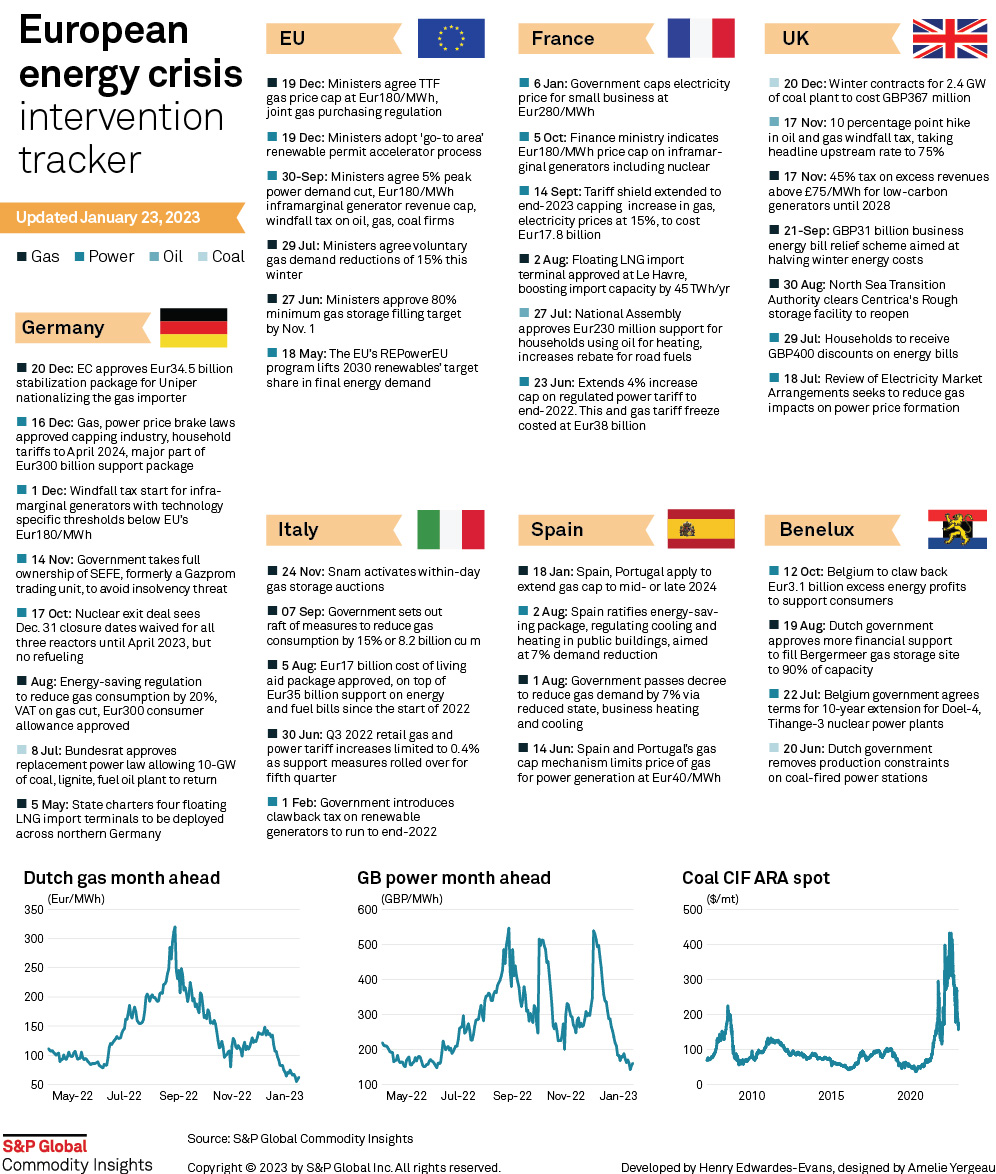
Key Takeaways:
- Systemic Disruption: The crisis is no longer viewed as temporary but as a structural challenge requiring long-term policy responses.
- Economic Impact: Global GDP growth forecasts have been revised downward by major institutions, with inflation pressures expected to persist through 2027.
- Geopolitical Shifts: Nations are accelerating energy diversification efforts, with Europe pushing ahead on LNG imports and Asia exploring alternative supply routes.
- Military Posture: The US has deployed additional naval assets to the region, though officials emphasize a defensive stance.
Who Is Affected—and How?
The economic ripple effects are already being felt worldwide:
- Consumers: Gasoline prices in the US have risen by over 30% since January 2025, with low-income households facing disproportionate hardship. The US Census Bureau reports that 42% of Americans now spend more than 10% of their income on energy costs, up from 28% pre-crisis.
- Industries: Manufacturing sectors—particularly in the US, Europe, and East Asia—are facing supply chain bottlenecks, with some companies reporting 20-30% higher logistics costs due to fuel surcharges.
- Developing Nations: Countries reliant on oil imports, such as India, Turkey, and Nigeria, are experiencing currency devaluations and rising budget deficits, with the IMF warning of potential debt crises in vulnerable economies.
- Investors: Energy stocks have seen volatility spikes, with the S&P Global Platts Oil Index dropping 12% in May 2026 amid uncertainty over supply stability.
What Happens Next?
The White House has outlined a three-pronged response:
- Emergency Energy Production: Fast-tracking permits for oil and gas projects on federal lands, with a focus on Bureau of Land Management (BLM) leases in the Permian Basin and Gulf of Mexico.
- Strategic Reserves: Releasing an additional 30 million barrels from the Strategic Petroleum Reserve (SPR), bringing total deployments to 180 million barrels since January 2025.
- Diplomatic Pressure: Intensifying negotiations with OPEC+ to increase production, though officials acknowledge limited near-term success given internal divisions.
The next critical checkpoint will be the June 2026 OPEC+ meeting, where producers are expected to announce production targets. Meanwhile, the US Congress is set to debate emergency energy legislation, including potential tax incentives for domestic drilling and renewable energy investments.
Expert Reactions: A Crisis of Unprecedented Scale
Dr. Elena Vasileva, a senior fellow at the Brookings Institution, described the situation as “a perfect storm of geopolitical miscalculation and energy market fragility.” She noted that while the US has historically relied on its strategic petroleum reserves in past crises, the current disruptions are “both deeper and more sustained,” requiring structural reforms rather than short-term fixes.
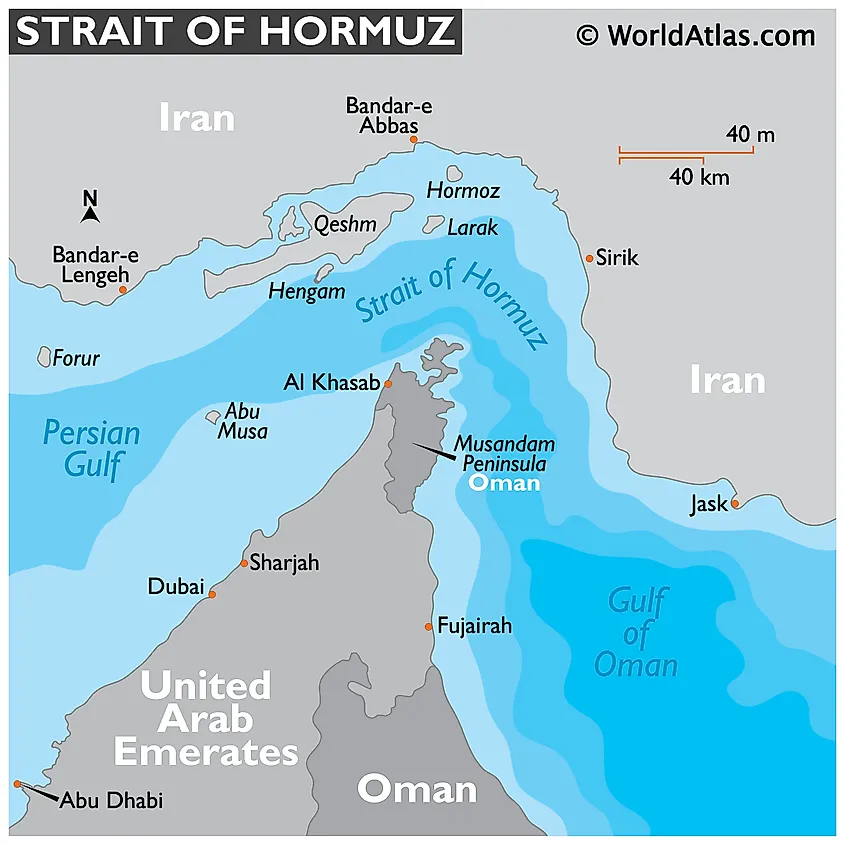
“The Strait of Hormuz is no longer just a chokepoint—it’s a battleground,” said Admiral Ret. James Stavridis, a former NATO Supreme Allied Commander. “The question is whether the international community can respond with unity or if we’ll see a scramble for alternatives that could destabilize other regions.”
How to Stay Informed
For real-time updates on the energy crisis, monitor the following authoritative sources:
- US Energy Information Administration (EIA) – Daily market reports and price analyses.
- International Energy Agency (IEA) – Global supply-demand assessments.
- OPEC – Official production announcements and policy statements.
- Reuters Commodities – Live oil price tracking and news.
- White House Energy Updates – US government responses and declarations.
As the situation evolves, World Today Journal will continue to provide in-depth coverage of the geopolitical and economic implications. We welcome your insights—share your thoughts below or join the discussion on Twitter.
Related reading