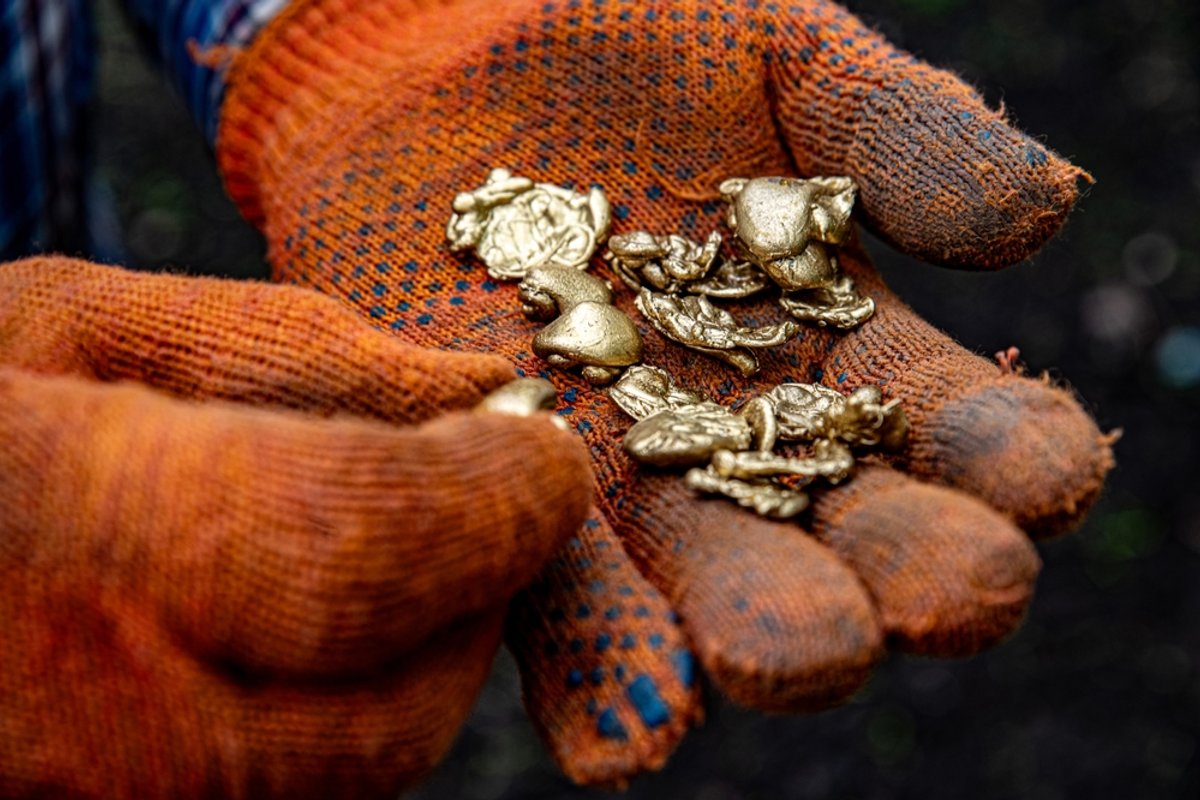
Sofia, Bulgaria – In a move signaling a significant shift in relations, the United States has authorized certain transactions involving the sale, custody, and import of gold originating from Venezuela, a development coinciding with the restoration of diplomatic ties between Washington and Caracas. The decision, issued by the U.S. Treasury Department, allows for the processing, resale, and export of Venezuelan gold by U.S. Companies, raising questions about the future of the South American nation’s resource wealth and the Trump administration’s evolving strategy in the region.
The authorization comes on the heels of a two-day visit to Venezuela by U.S. Interior Secretary Doug Burgum, a key figure in President Donald Trump’s administration. Burgum reported receiving assurances from Caracas regarding the safety of foreign mining companies operating within the country, a critical step towards unlocking Venezuela’s vast mineral reserves. This development follows a period of intense political upheaval, including the January raid that led to the arrest of Venezuelan leader Nicolás Maduro and his wife, who are now awaiting trial in New York on narcotics trafficking charges.
The Trump administration asserts that it effectively controls Venezuela and its substantial natural resources following Maduro’s removal. This claim, coupled with the renewed diplomatic engagement, suggests a broader strategy aimed at leveraging Venezuela’s resources – including its significant gold deposits – to benefit U.S. Interests. The move also reflects a growing interest from dozens of companies eager to invest in Venezuela, according to Burgum, who met with interim President Delcy Rodriguez during his visit.
U.S. Authorization Details and Regional Implications
The U.S. Treasury Department’s license permits specific activities related to Venezuelan gold, extending beyond simple import to include processing and resale within the United States. This broad authorization signals a willingness by the Trump administration to facilitate the flow of Venezuelan gold into the U.S. Market, potentially providing a much-needed economic boost to the country while simultaneously granting U.S. Companies access to a valuable commodity. The timing of this announcement, closely following Burgum’s visit and the restoration of diplomatic relations, underscores the interconnectedness of these developments.
Venezuela is rich in natural resources, including gold, diamonds, bauxite, coltan, and other rare earth minerals crucial for the production of computers and mobile phones. Much of the mining activity is concentrated in the Orinoco Mining Arc, a region plagued by the presence of armed groups, presenting ongoing security challenges for investors. The U.S. Government’s promise of security for mining operations is therefore a critical component of attracting foreign investment.
The move to allow gold transactions is a significant departure from previous U.S. Policy, which had largely focused on sanctions aimed at isolating the Maduro regime. The shift suggests a pragmatic approach, prioritizing access to Venezuelan resources over continued pressure on the former government. However, the long-term implications of this policy remain to be seen, particularly regarding the potential for corruption and the equitable distribution of benefits from resource extraction.
Burgum’s Visit and the Restoration of Diplomatic Ties
Doug Burgum’s visit to Venezuela marked a pivotal moment in the evolving relationship between the two countries. As the second high-ranking U.S. Official to visit Venezuela since the January raid, his presence signaled a clear intention to re-engage with Caracas. Burgum, who leads President Trump’s National Energy Dominance Council, emphasized the potential for increased oil and gas production in Venezuela, stating that the country is expected to exceed its production targets in 2026. Lithuanian news outlet LRT reported that Burgum conveyed assurances from Caracas regarding the safety of foreign mining companies.
The restoration of diplomatic relations, announced concurrently with Burgum’s visit, further solidifies the thawing of tensions between Washington and Caracas. This move opens the door for increased communication and cooperation on a range of issues, including energy, security, and trade. However, the underlying political situation in Venezuela remains complex, and the legitimacy of the interim government remains a point of contention for some international actors.
Burgum’s meetings with interim President Delcy Rodriguez were described as “fantastically positive,” indicating a willingness on both sides to move forward with a new chapter in their relationship. The reported interest from dozens of companies to invest in Venezuela suggests a strong potential for economic revitalization, but realizing this potential will require addressing the security concerns and establishing a stable and transparent regulatory framework.
The January Raid and its Aftermath
The U.S.-led raid in January, which resulted in approximately 100 fatalities and the arrest of Nicolás Maduro and his wife, fundamentally altered the political landscape in Venezuela. The Trump administration framed the operation as a necessary step to restore democracy and combat drug trafficking. Maduro and his wife are currently awaiting trial in New York on narcotics trafficking charges. As reported by LRT, the raid was a significant escalation in U.S. Involvement in Venezuelan affairs.
The aftermath of the raid saw the installation of an interim government led by Delcy Rodriguez, which the Trump administration has recognized as the legitimate authority in Venezuela. However, the legitimacy of this interim government remains contested by some international observers, and the long-term stability of the new political order remains uncertain. The ongoing presence of armed groups in the Orinoco Mining Arc poses a significant challenge to the establishment of a secure and stable investment climate.
Challenges and Opportunities for Investment
While the U.S. Authorization for gold transactions and the restoration of diplomatic ties create new opportunities for investment in Venezuela, significant challenges remain. The security situation in the Orinoco Mining Arc, the lack of a clear regulatory framework, and the potential for corruption all pose risks to investors. Addressing these challenges will be crucial for attracting sustainable and responsible investment.
The Trump administration’s claim of effectively controlling Venezuela and its natural resources has been met with skepticism by some analysts, who point to the continued presence of armed groups and the complex political dynamics within the country. However, the U.S. Government appears confident in its ability to provide a secure environment for foreign investment, and Burgum’s assurances to mining companies suggest a commitment to addressing the security concerns.
The potential economic benefits of increased investment in Venezuela are substantial. The country’s vast mineral resources, combined with its strategic location, could make it a major player in the global economy. However, realizing this potential will require a concerted effort to address the challenges and establish a stable and transparent investment climate.
The U.S. Interior Secretary’s recent trip to Venezuela and the subsequent authorization of gold transactions represent a significant turning point in the relationship between the two countries. While challenges remain, the move signals a willingness by the Trump administration to engage with Caracas and unlock the potential of Venezuela’s vast natural resources. The coming months will be critical in determining whether this new approach will lead to a sustainable and prosperous future for Venezuela.
The next key development to watch will be the progress of the legal proceedings against Nicolás Maduro and his wife in New York, as well as the implementation of the U.S. Treasury Department’s authorization for gold transactions. Further updates on these developments are expected in the coming weeks. We encourage readers to share their thoughts and perspectives on this evolving situation in the comments below.
Worth a look