The Mounting Crisis of Food waste: How Policy Choices Exacerbate the Problem
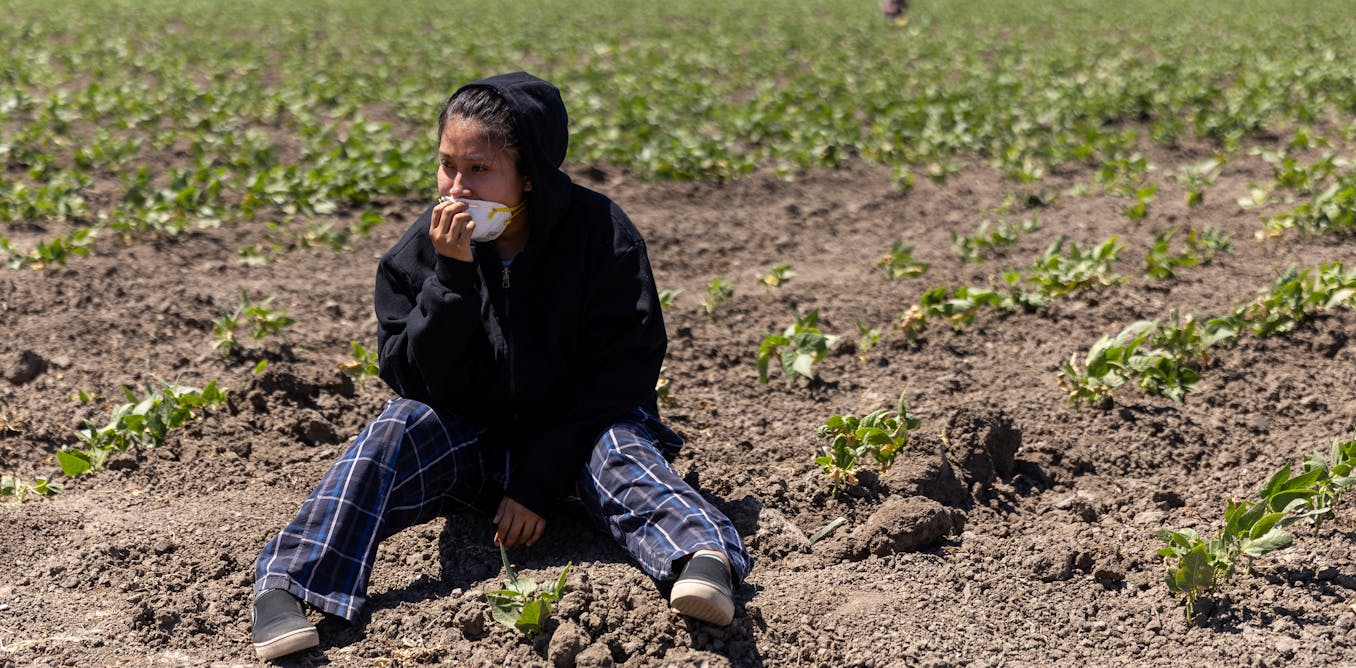
The image of unharvested soybeans lingering in a field this October serves as a stark visual reminder of a growing problem: food waste.It’s a problem that extends far beyond the farm, deeply impacting our communities and highlighting critical flaws in current policy. While food waste isn’t new,recent governmental decisions have demonstrably worsened the situation,even as need increases.
This article will delve into how seemingly efficiency-driven policies have ironically led to more food ending up in landfills, and what it means for you.
A Second-Term Trend: Policies That Backfire
Since the second Trump administration took office, a series of decisions intended to streamline operations have had the unintended outcome of escalating food waste. These policies, while presented as solutions, have created a ripple affect of negative outcomes.Let’s break down some key areas:
* Erosion of Food Safety Expertise: Mass firings within the USDA’s food safety division create significant risks. These risks include increased outbreaks of foodborne illnesses, a rise in contaminated imports, and the spread of agricultural pathogens.
* The Bird Flu Example: Consider the recent outbreak of avian influenza in Utah, which necessitated the culling of nearly 35,000 turkeys. Such crises ofen require the mass destruction of perfectly edible food to prevent wider contamination.
* Local Food Program Cancellation: A popular program supporting local farmers by connecting them with schools and food banks was abruptly canceled. Many farmers had already planted crops, leaving them scrambling to find alternative buyers and facing potential losses.
* Financial Strain on Farmers: The cancellation of the local food program, coupled with other funding cuts, left farmers without a reliable revenue stream. This instability threatens their ability to remain operational.
* FEMA Funding Cuts: Reduced funding for the Federal Emergency Management Agency (FEMA) hampered disaster relief efforts. This included restoring power to crucial food storage refrigeration, leading to spoilage.
SNAP and the Shutdown: A Perfect Storm of Waste
The fall 2025 government shutdown created a particularly acute crisis for the supplemental Nutrition Assistance Program (SNAP), the nation’s major food aid program. Weeks of uncertainty left communities struggling to meet basic needs.
Here’s how the situation unfolded:
- Grocer Response: grocery stores,recognizing the potential for food to rot,offered discounts to SNAP recipients to encourage purchases.
- USDA Intervention: The Department of Agriculture intervened, instructing grocers to cease these discounts.The reasoning? SNAP customers must pay the same prices as other customers.
- The Result: This policy effectively stifled efforts to move food before it spoiled, contributing to increased waste.
You might be wondering why this happened. The USDA’s adherence to the “equal treatment rule,” while intended to prevent discrimination, inadvertently prioritized bureaucratic procedure over preventing food waste during a critical time.
beyond Policy: A Systemic Issue
It’s critically important to acknowledge that food waste predates the current administration. However, the policies enacted have undeniably compounded the problem. They’ve created a situation where waste is not just a byproduct of the food system, but a consequence of purposeful choices.
Consider these contributing factors:
* Inefficient Supply Chains: Complex and frequently enough opaque supply chains contribute to losses at every stage, from farm to table.
* Consumer Behavior: Household food waste remains a significant issue, driven by factors like over-purchasing, improper storage, and a lack of awareness.
* Date Labeling Confusion: Misunderstanding “sell-by” and “use-by” dates leads to the premature disposal of perfectly safe food.
Looking Ahead: A Call for Systemic Change
This Thanksgiving, as you gather with loved ones, take a moment to reflect on the issue of food waste. It’s not simply about discarded leftovers; it’s a symptom of larger systemic problems.
What can be done?
* Invest in Food Safety: Prioritize funding for food safety personnel and inspection programs.
* Support Local Agriculture: Reinstate and expand programs that connect local farmers with schools and food banks.
* strengthen Disaster Relief: Ensure adequate funding for FEMA to support food producers and communities during emergencies.
* **Prom