
The United States has initiated a total blockade of the Strait of Hormuz as of Monday morning, April 13, 2026. The move, which targets maritime traffic through one of the world’s most critical chokepoints, represents a significant escalation in regional tensions and a direct effort to exert maximum pressure on the Iranian government.
The US blockade of the Strait of Hormuz was announced by Donald Trump, who stated that the naval operation is intended to pressure Iran [3]. According to reports, the total blockade became effective starting Monday morning [2].
This strategic maneuver places the global oil supply and international shipping at significant risk. The Strait of Hormuz is the primary artery for oil exports from the Persian Gulf, and any disruption to maritime traffic in this region typically triggers immediate geopolitical instability and economic pressure on global energy markets.
Strategic Goals and Maritime Security
The decision to implement a total blockade is part of a broader strategy to isolate Tehran and force concessions through severe economic pressure. By controlling the flow of ships through the strait, the U.S. Administration aims to limit Iran’s ability to export goods and maintain its economic stability.
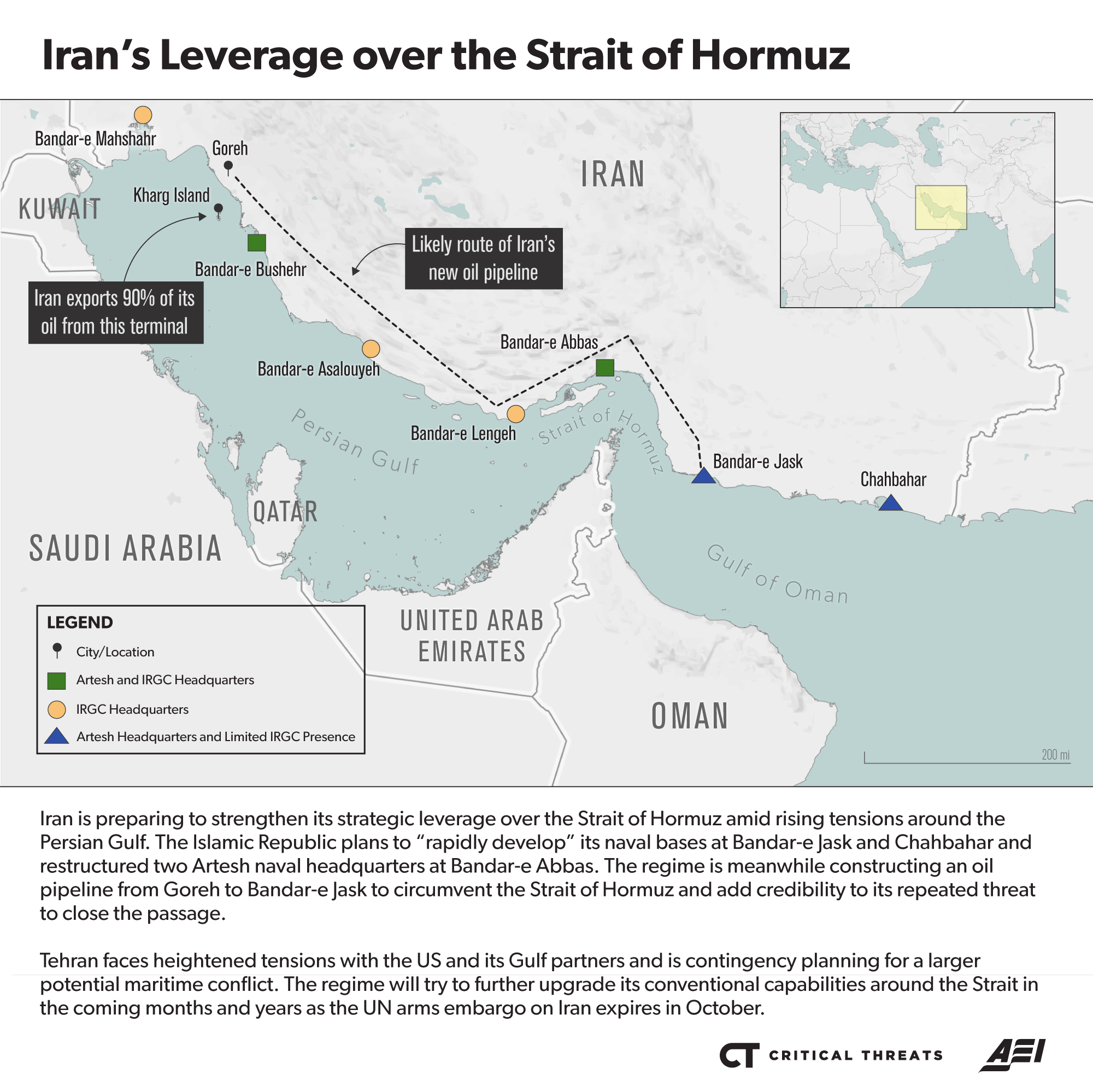
Although, the move raises urgent questions regarding maritime security. The blockade affects not only Iranian vessels but potentially all international shipping attempting to navigate the narrow waterway. This creates a volatile environment where the risk of naval skirmishes increases, further complicating the security landscape for commercial tankers and cargo ships.
Conflicting Reports on Ceasefire and Tolls
Whereas the blockade is being enforced, other reports suggest a complex diplomatic backdrop. There have been discussions regarding a US-Iran ceasefire, within which Tehran has expressed a desire to charge ships for crossing the Strait of Hormuz [1]. This indicates a clash between the U.S. Goal of total restriction and Iran’s attempt to monetize the waterway’s strategic importance.
The tension between the announcement of a total blockade and the mention of ceasefire terms highlights the volatility of the current situation. As the U.S. Navy maintains its presence, the international community is monitoring whether these opposing pressures will lead to a negotiated settlement or further military escalation.
Key Implications of the Hormuz Blockade
- Global Energy Markets: Potential for sharp increases in oil prices due to the restriction of maritime traffic.
- Shipping Logistics: Diversion of international shipping routes and increased insurance costs for vessels in the region.
- Diplomatic Standoff: Increased pressure on Iran to return to the negotiating table under U.S. Terms.
- Regional Stability: Heightened risk of direct confrontation between U.S. And Iranian naval forces.
The global community remains on high alert as the situation evolves. The next critical checkpoint will be the official response from the Iranian government regarding the enforcement of the blockade and any potential movement toward the ceasefire terms previously discussed.
World Today Journal will continue to monitor this developing story. We invite our readers to share their perspectives on the geopolitical implications of this blockade in the comments below.
Related reading