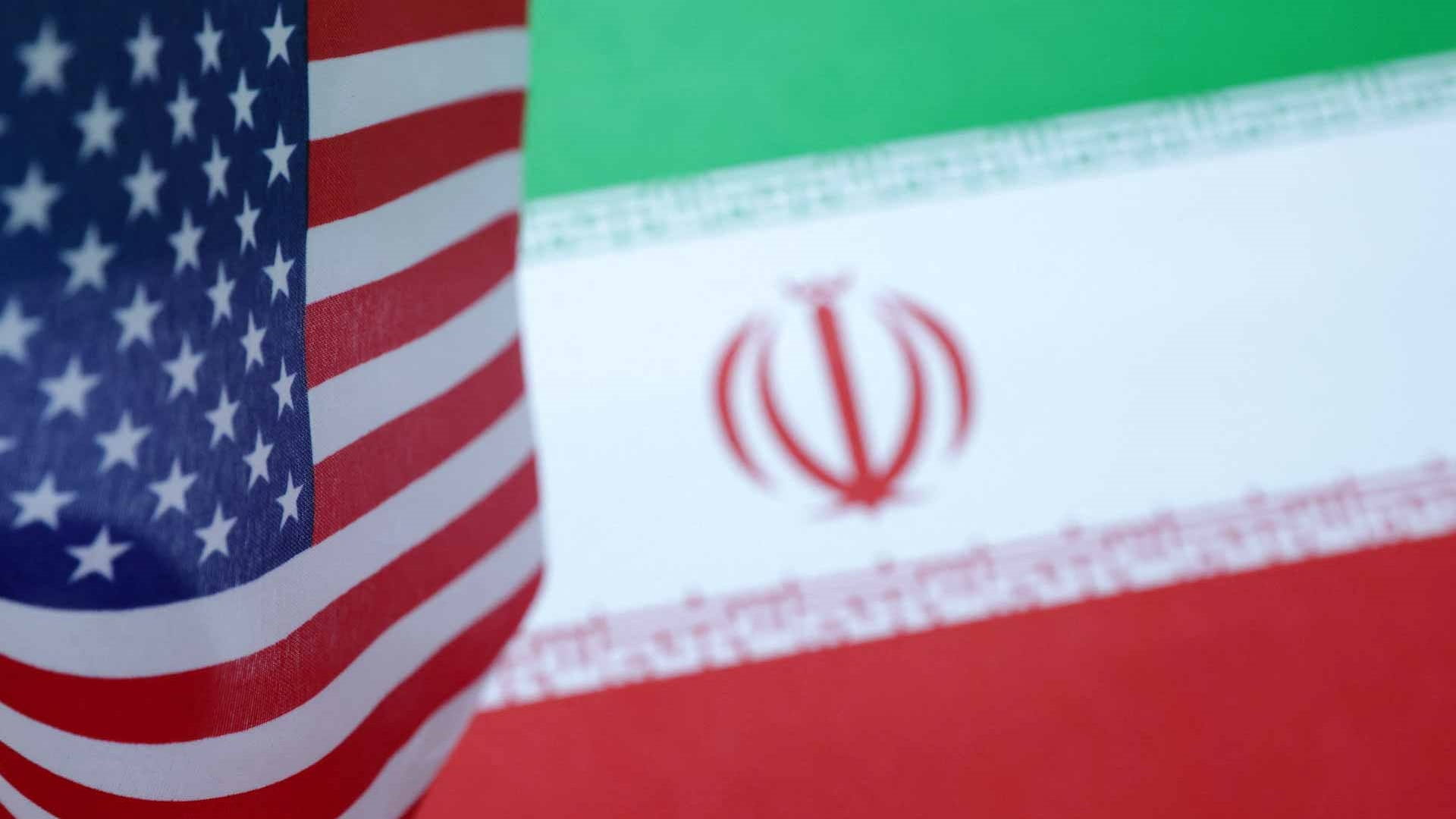
Sofia, Bulgaria – The United States Treasury Department on Wednesday imposed a new round of sanctions targeting Iran, focusing on individuals, entities, and oil tankers allegedly involved in facilitating Iran’s illicit oil trade and supporting its ballistic missile and advanced weapons programs. The move comes hours after President Donald Trump outlined potential justifications for military action against Iran in his address to Congress, signaling a continued escalation of pressure on the Islamic Republic.
The sanctions, announced by the Treasury’s Office of Foreign Assets Control (OFAC), target over 30 individuals and entities, alongside numerous vessels, accused of contributing to the sale of Iranian oil and the development of sophisticated weaponry. This latest action underscores the Trump administration’s “maximum pressure” campaign aimed at curbing Iran’s regional influence and compelling it to renegotiate the 2015 nuclear deal, formally known as the Joint Comprehensive Plan of Action (JCPOA). The JCPOA, which limited Iran’s nuclear program in exchange for sanctions relief, was unilaterally withdrawn from by the United States in 2018.
The Treasury Department specifically targeted what it termed a “shadow fleet” of tankers used to circumvent existing sanctions and continue exporting Iranian oil. These vessels, often older and with obscured ownership, operate without the standard insurance coverage required by international shipping standards, posing environmental and security risks. According to the Treasury, these tankers have collectively transported hundreds of millions of dollars worth of Iranian petrochemical and oil products. The sanctions aim to disrupt this network and further restrict Iran’s access to revenue streams that fund its controversial activities.
Targeting Iran’s Revenue Streams and Weapons Programs
The sanctions aren’t limited to the oil sector. The Treasury also focused on networks that enable Iran’s Islamic Revolutionary Guard Corps (IRGC) and Ministry of Defense to procure the raw materials and machinery necessary for producing ballistic missiles and other advanced weapons. This includes targeting individuals and companies involved in the supply chain for key components. “Iran exploits the international financial system to sell its illicit oil, launder the proceeds, and procure components for its nuclear and conventional weapons programs, and to fund its terrorist proxies,” stated Treasury Secretary Steven Mnuchin in a press release. Treasury Department Press Release
The move follows President Trump’s recent deployment of U.S. Military forces to the Middle East and his warning of potential military retaliation if Iran does not come to the negotiating table. During his State of the Union address on Tuesday, Trump briefly outlined his rationale for a potential strike, emphasizing what he described as the threat posed by Iran’s nuclear ambitions and support for regional proxies. The administration has consistently maintained that its goal is not regime change in Iran, but rather a change in behavior.
Iran’s Response and Ongoing Negotiations
Iran maintains that its nuclear research is solely for peaceful purposes, specifically for energy production. A senior Iranian official stated on Sunday that Tehran and Washington remain deeply divided over which sanctions should be lifted and when, highlighting the significant obstacles to any potential agreement. As of Wednesday, Iran had not issued a formal response to the new sanctions. Reuters
The sanctions specifically targeted 12 vessels associated with the “shadow fleet,” along with their owners and operators. These vessels are alleged to have transported Iranian oil products worth hundreds of millions of dollars. The term “shadow fleet” refers to ships that transport sanctioned oil, often characterized by their age, opaque ownership structures, and lack of comprehensive insurance coverage, making them vulnerable to accidents and environmental disasters.
The “Shadow Fleet” and Circumventing Sanctions
The use of a “shadow fleet” is a common tactic employed by countries seeking to evade international sanctions. These vessels often operate under flags of convenience, making it difficult to trace their ownership and origin. They frequently change names and registration details to avoid detection. The lack of adequate insurance coverage also poses a significant risk to the marine environment, as these vessels may not have the financial resources to respond effectively to oil spills or other accidents. Experts suggest that the shadow fleet has become increasingly sophisticated in recent years, utilizing complex financial arrangements and logistical networks to conceal its activities.
The Treasury Department’s actions are part of a broader effort to disrupt Iran’s ability to finance its activities and exert influence in the region. The U.S. Has also been working with international partners to pressure Iran to comply with international norms and address concerns about its nuclear program and support for terrorist groups. Though, the effectiveness of these sanctions remains a subject of debate, with some analysts arguing that they have only exacerbated economic hardship for ordinary Iranians without significantly altering the regime’s behavior.
International Implications and Future Outlook
The imposition of these new sanctions is likely to further strain relations between the United States and Iran, increasing the risk of miscalculation and escalation. European powers, who remain committed to the JCPOA, have expressed concern about the U.S. Approach, arguing that it undermines efforts to de-escalate tensions and find a diplomatic solution. The European Union has implemented its own sanctions against Iran, but has also sought to maintain channels of communication with Tehran. Al Jazeera
The situation is further complicated by the ongoing conflict in Yemen, where Iran is accused of supporting Houthi rebels, and by Iran’s close ties to Hezbollah in Lebanon and other regional actors. The U.S. Has repeatedly accused Iran of destabilizing the region through its support for these groups. The future of the JCPOA remains uncertain, with little prospect of a breakthrough in negotiations in the near term. The Biden administration has signaled a willingness to re-engage with Iran, but has also insisted that Iran must first return to full compliance with the terms of the agreement.
The sanctions announced Wednesday represent the latest chapter in a long-running saga of escalating tensions between the United States and Iran. The situation remains volatile, and the risk of further escalation cannot be ruled out. The international community will be closely watching developments in the coming weeks and months, hoping to avoid a military confrontation that could have devastating consequences for the region and beyond.
Looking ahead, the U.S. Treasury Department is expected to continue to target individuals and entities involved in Iran’s illicit activities. The effectiveness of these sanctions will depend on the willingness of international partners to cooperate and enforce them. The next key development to watch will be Iran’s response to the new sanctions and whether it will signal any willingness to engage in meaningful negotiations with the United States and other world powers.
What are your thoughts on the latest sanctions imposed on Iran? Share your perspective in the comments below, and please share this article with your network.
Keep reading