
The United States is facing a sharp economic pivot as inflation surged unexpectedly in the first quarter of 2026. New official data reveals a significant spike in the cost of living, driven primarily by a dramatic rise in fuel prices that is weighing heavily on American households.
According to official figures released on Friday, the US inflation rate accelerated to 3.3% year-on-year in March, a substantial jump from the 2.4% recorded in February 2026 Trading Economics. This acceleration marks a troubling trend for consumers who had seen a period of relative price stabilization before this latest shock.
The primary catalyst for this uptick is the volatility at the pump. The surge in gasoline prices has acted as a direct tax on consumers, eroding purchasing power and contributing to the broader inflationary pressure currently gripping the domestic economy Le Monde.
The Driver of the March Spike: Energy and Geopolitics
The sudden jump in the US inflation rate is not a random fluctuation but is closely tied to energy costs. The “bitter bill” currently being paid by Americans is linked to the geopolitical fallout and the impact of Donald Trump’s policies regarding the conflict in Iran, which have contributed to the volatility of global oil markets Le Monde.
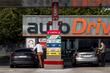
When energy prices rise sharply, the effect ripples through the entire economy. Fuel is a primary input for the transportation of goods, meaning that higher costs at the pump often lead to increased prices for groceries and consumer products as businesses pass these costs on to the end user.
This current trend stands in stark contrast to earlier global projections. The OECD had previously noted that inflation had been on a downward path, which had helped support real incomes across various sectors OECD. However, the March data suggests that this stability was fragile, leaving the US economy vulnerable to external shocks.
Consumer Sentiment and Economic Resilience
The impact of these price hikes extends beyond the balance sheet; it is deeply affecting consumer psychology. While the global economy has shown a degree of resilience in terms of activity and income, confidence remains a critical weak point. The OECD has highlighted that consumer confidence in many nations has yet to return to pre-pandemic levels OECD.
For the average American, the jump from a 2.4% inflation rate in February to 3.3% in March represents a tangible loss in monthly buying power. When essential costs like gasoline spike, discretionary spending typically drops, which can gradual overall economic growth.
Inflation Comparison: February vs. March 2026
| Month | Inflation Rate (Year-on-Year) | Trend |
|---|---|---|
| February 2026 | 2.40% | Stable/Declining |
| March 2026 | 3.30% | Accelerating |
What This Means for the Global Market
The acceleration of the US inflation rate is a signal that policymakers must navigate with caution. The interplay between geopolitical tensions and domestic price stability remains the central challenge for the current administration. As the world’s largest economy, a shift in US inflation trends often prompts reactions from central banks globally, as they manage their own currency values and interest rate policies to combat similar pressures.
The situation underscores the fragility of the “soft landing” many economists hoped for. With energy prices acting as a volatile variable, the path to sustained price stability remains obstructed by political and military tensions in the Middle East.
For those tracking the economic outlook, the focus now shifts to whether this March spike is a temporary anomaly or the beginning of a more sustained inflationary period. The impact on real incomes will be the primary metric to watch in the coming months.
We will continue to monitor official reports for the next set of Consumer Price Index (CPI) updates to determine if the trend stabilizes or continues to climb. We invite our readers to share their perspectives on how these price increases are affecting their businesses and households in the comments below.
Worth a look