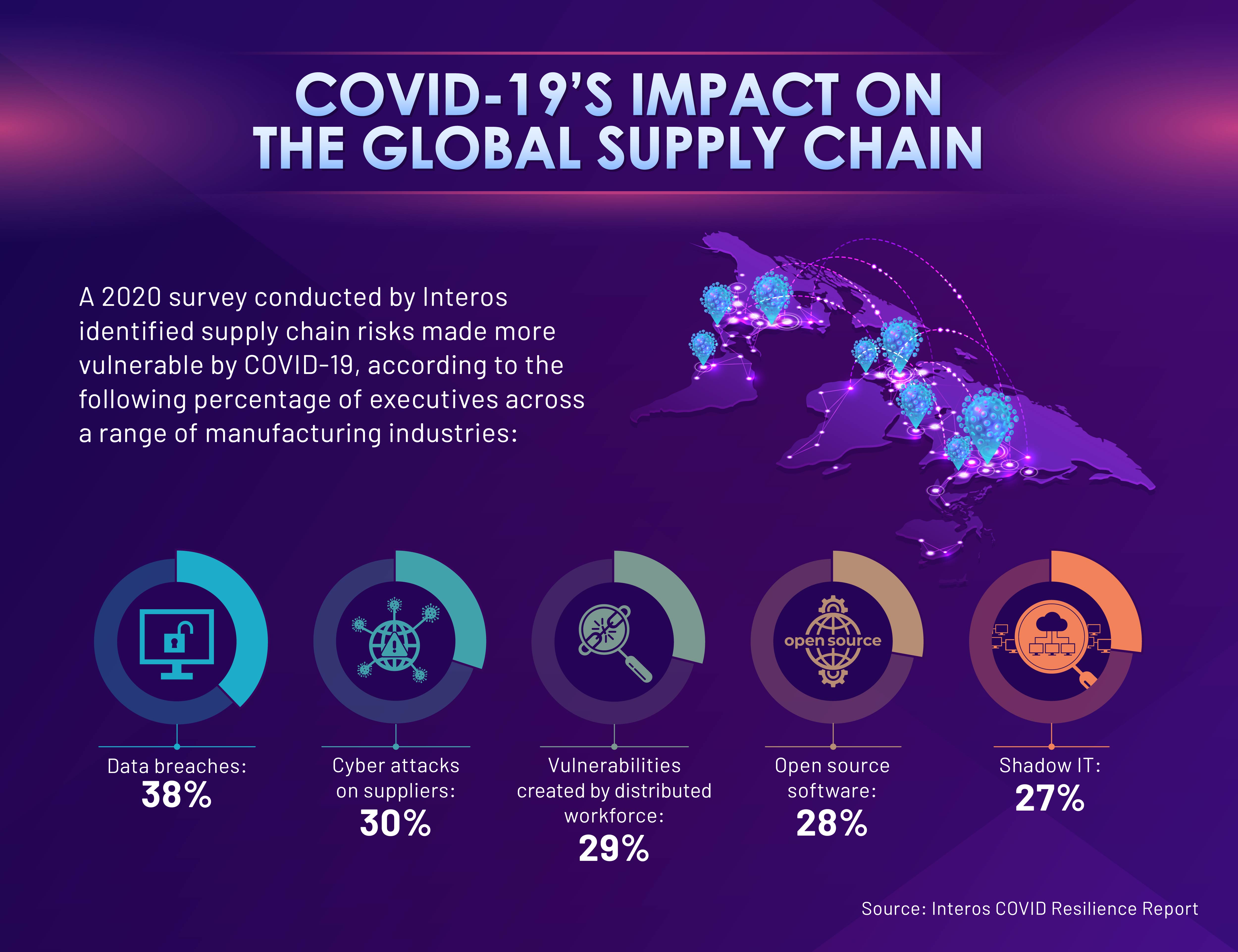
The global technology landscape is currently navigating a volatile intersection of rapid innovation and systemic vulnerability. As artificial intelligence moves from experimental labs into widespread operational deployment, the industry is grappling with a paradoxical reality: although the cost of deploying AI is dropping, the risks associated with security and workforce stability are climbing.
Recent developments indicate that AI expansion, security crises, and workforce upheaval define this week in tech, creating a challenging environment for IT professionals and business leaders. From the aggressive scaling of robotic automation to the persistent struggle of small and mid-sized businesses to maintain compliance, the gap between technological capability and organizational readiness is widening.
For those managing digital infrastructure, the focus has shifted from merely adopting new tools to surviving the fallout of their implementation. The current climate is characterized by an acute shortage of high-level IT talent, skyrocketing pay rates for C-level executives, and an unprecedented wave of cyberattacks that threaten to undermine the digitalization rush.
The Scaling Paradox: Cheaper Deployment vs. Higher Risk
A primary trend currently shaping the industry is the observation that AI is not necessarily becoming “smarter” in a cognitive sense, but it is becoming significantly cheaper to deploy. This shift allows organizations to scale AI operations at a pace previously unseen. For instance, reports indicate a trajectory where 5,000 robots could be scaled within a 90-day window, illustrating the sheer velocity of current AI integration Daily Tech Insider.
However, this rapid expansion often bypasses the necessary security checkpoints. The ease of deployment creates a “security debt” where systems are implemented before their vulnerabilities are fully understood. This represents particularly evident in the rush toward digitalization, where the speed of adoption is outstripping the ability of security teams to protect the perimeter.
The impact is felt most acutely in the workforce. As AI handles more operational tasks and robotic scaling accelerates, the nature of IT roles is shifting. The industry is seeing a move toward “virtual” leadership roles, such as virtual CIOs and CISOs, as companies struggle to discover and afford permanent executive talent in a hyper-competitive market.
Security Crises and the Compliance Wall
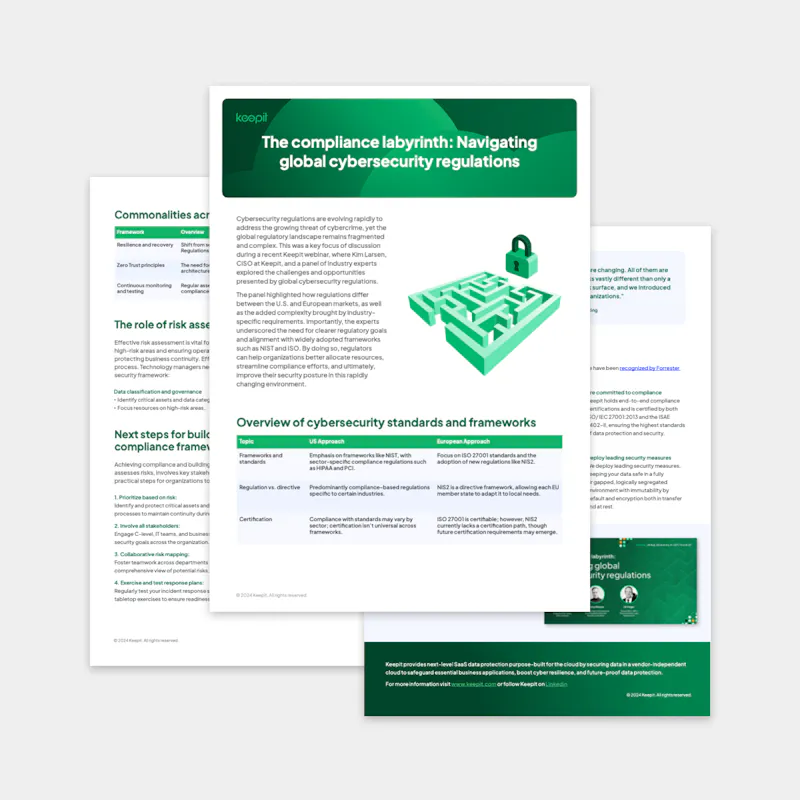
For small and mid-sized businesses, the path to security and compliance often feels overwhelming and prohibitively expensive. Many organizations find themselves hitting a “wall” composed of complex frameworks and generic advice that fails to address their specific operational needs. This lack of clarity leaves them vulnerable to the increasing wave of cyberattacks currently targeting digital infrastructures.
The struggle is not merely financial but structural. The shortage of IT talent has driven pay rates for C-level executives to record highs, making it difficult for smaller firms to compete with tech giants. This talent gap creates a critical vulnerability; without expert oversight, security patches are missed, and compliance mandates are ignored, leaving the door open for systemic breaches.
Industry experts suggest that the role of the Chief Information Officer (CIO) is evolving to meet these challenges. No longer just a manager of hardware and software, the modern CIO must balance business leadership with a deep understanding of how enterprise technologies intersect with customer and employee experiences. This evolution is necessary to manage the risks associated with the “token assembly line” and other advanced AI architectural shifts introduced by industry leaders like Jensen Huang.
Workforce Upheaval and the New IT Economy
The intersection of AI scaling and security failures has led to significant workforce upheaval. The “digitalization rush” has created a dual-speed economy: high demand and high pay for a small group of elite experts, and instability for those whose roles are being automated by cheaper AI deployments.
The scaling of robotics and AI agents is changing the operational baseline. When thousands of units can be deployed in a matter of months, the traditional hiring and training cycles of a company are rendered obsolete. This requires a fundamental shift in how companies approach project management and innovation, moving away from static planning toward agile, AI-driven operational models.
the debate over the environmental and physical costs of this expansion is intensifying. The water consumption required to sustain massive AI data centers has turn into a point of heated contention, highlighting the tension between the drive for technological dominance and the necessity of environmental sustainability.
Key Takeaways for IT Professionals
- Deployment Velocity: AI is becoming cheaper and faster to deploy, but this speed often compromises security and long-term stability.
- Talent Shortage: An acute shortage of IT talent is driving a trend toward virtual C-suite leadership (vCIO/vCISO) due to skyrocketing permanent salary costs.
- Compliance Gap: Small and mid-sized businesses are struggling with complex security frameworks, creating an opening for cyberattacks.
- Role Evolution: The CIO role is expanding beyond IT management to encompass broader stakeholder expectations and employee experience.
What Happens Next
The industry is now watching for the next wave of AI integrations, specifically how “personal shopper” AI and generative audio tools—such as those capable of spinning 30-second songs—will be integrated into consumer electronics and commercial software. The focus will likely remain on balancing these innovative features with the urgent require for robust security frameworks that can withstand the current wave of cyber threats.
As the industry continues to evolve, the ability to integrate AI without sacrificing security will be the primary differentiator between resilient organizations and those that succumb to the volatility of the current tech cycle.
Do you believe the current pace of AI deployment is outstripping our ability to secure it? Share your thoughts in the comments below.
Worth a look