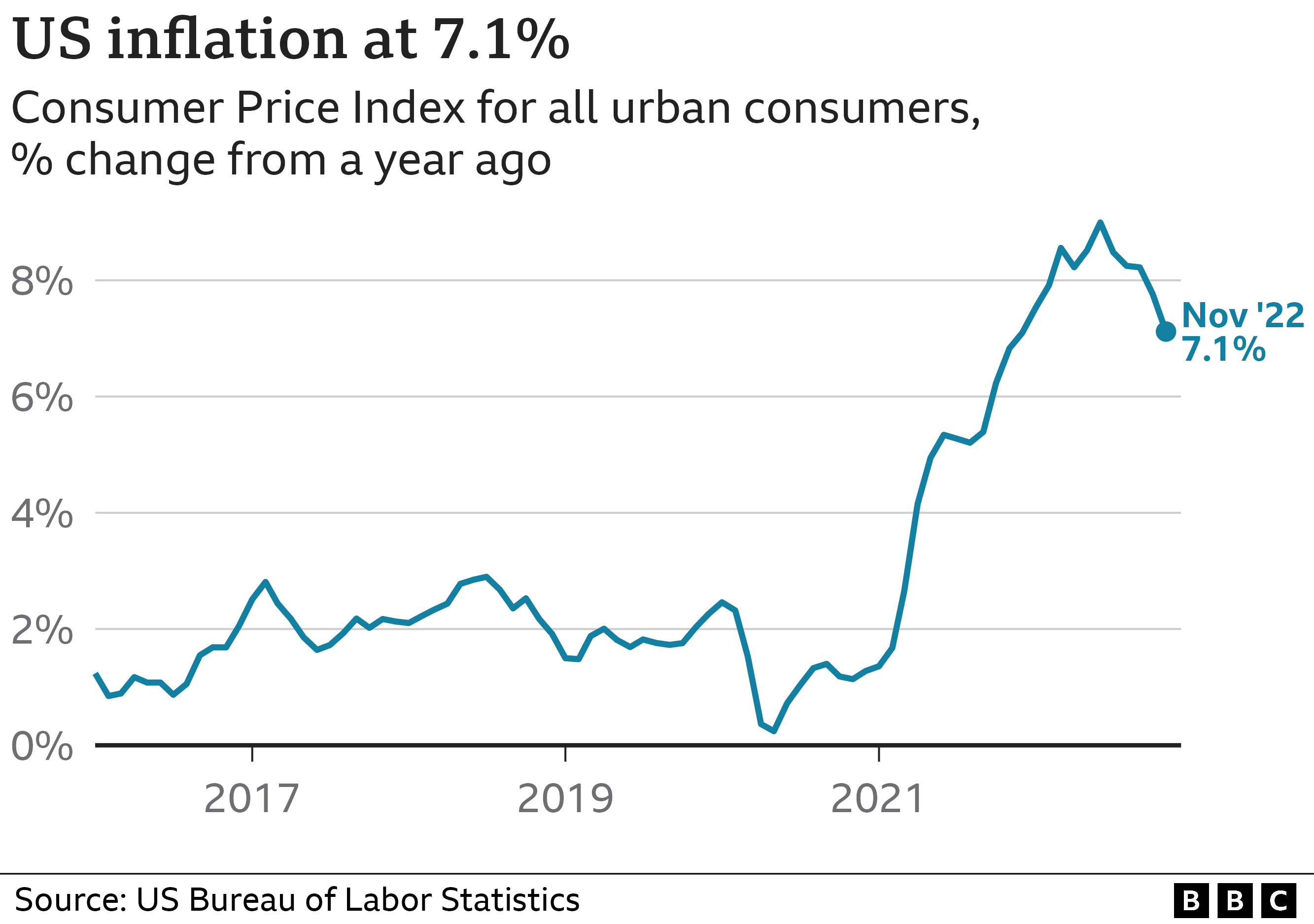
For the first time since 2020, the United States Consumer Price Index (CPI) recorded a monthly decline, signaling a potential shift in the nation’s inflationary landscape. According to data released by the U.S. Bureau of Labor Statistics, the index for all items fell in June on a seasonally adjusted basis, driven largely by a reprieve in energy costs. While the headline figure showed a cooling trend, the core index—which strips out volatile food and energy prices—remained unchanged for the month, highlighting the persistent nature of underlying price pressures in the broader economy.
The June report provides a nuanced look at the economic environment as the Federal Reserve weighs its next moves regarding interest rates. While the overall inflation rate rose 3.5% over the 12 months ending in June, this represents a deceleration from previous months, offering policymakers and consumers a moment of relief from the aggressive price hikes that have characterized the post-pandemic period. The Bureau of Labor Statistics confirmed that the decline in gasoline prices was a primary contributor to the monthly dip, offsetting increases in shelter and other service-related costs.
Energy Price Volatility and Household Budgets
Energy prices served as the primary catalyst for the June decline, with the gasoline index falling over the month.

The U.S. When energy prices slide, the impact is immediately felt in the headline CPI, but it often masks the stickiness of other categories.
The Role of Core Inflation in Federal Reserve Policy
While the headline CPI drop garnered significant attention, market analysts are focusing on the core gauge, which remained unchanged in June. The core CPI, excluding volatile food and energy components, is often viewed by the Federal Reserve as a more accurate predictor of long-term inflation trends. By removing the “noise” of fuel and grocery prices, the core index provides a clearer picture of whether inflation is truly trending toward the central bank’s inflation target.
The latest data suggests that while the economy is cooling, the process remains uneven.
What the Data Means for Consumers and Markets
The cooling of inflation in June represents a significant milestone, but the economic reality remains complex for the average consumer.
For investors and market participants, the divergence between headline and core inflation serves as a reminder that the path to price stability is rarely linear. As the market looks toward the next scheduled meeting of the Federal Reserve, the focus will remain on whether the recent dip in energy prices is a temporary anomaly or the beginning of a sustained trend.
Readers are encouraged to monitor future releases for indications of whether the cooling trend persists. For those interested in deeper economic analysis, the Federal Reserve provides regular updates on its official website regarding the economic outlook and upcoming committee decisions.