
Recent military exchanges between United States forces and Iranian assets in the Strait of Hormuz have raised concerns regarding the stability of existing maritime security agreements. Following a series of incidents, including a drone strike on a commercial vessel and subsequent retaliatory actions by the U.S. military, analysts are examining whether these hostilities will dismantle the Memorandum of Understanding (MoU) that has governed regional maritime conduct. The Pentagon and Iranian officials have traded accusations of ceasefire violations, leaving the future of regional trade routes in a state of heightened volatility.
The latest escalation centers on reports of a drone attack targeting a tanker in the Strait of Hormuz, a critical chokepoint for global oil supplies. The U.S. These conflicting accounts have created a complex environment for international shipping insurers and maritime regulatory bodies.
Status of the Memorandum of Understanding
The Memorandum of Understanding, which was intended to provide a framework for de-escalation in the Persian Gulf, is currently under intense scrutiny. The agreement was designed to prevent direct military confrontation between U.S. naval patrols and Iranian vessels. However, the recent exchange of fire has led observers to question the efficacy of the communication channels established by the document. According to reporting from CNN, officials are currently assessing whether the recent strikes represent a fundamental breach of the agreement or an isolated breakdown in compliance.
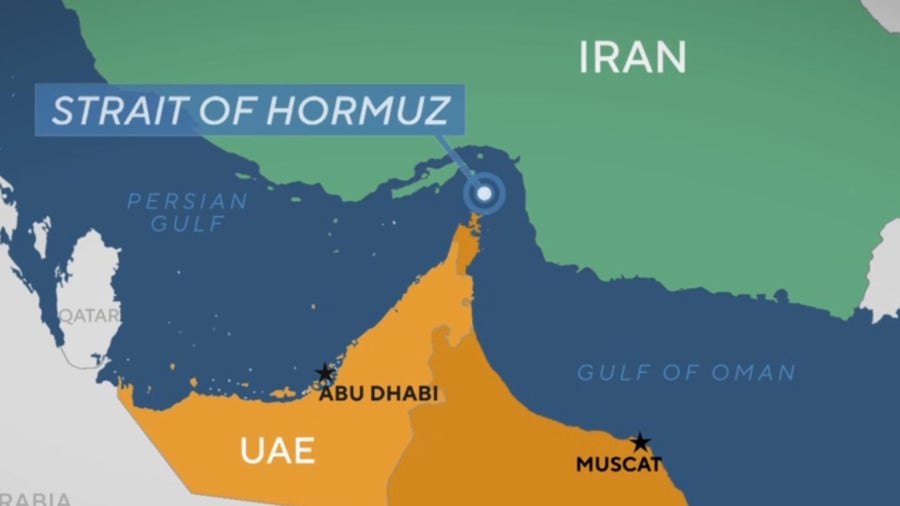
For international observers, the primary concern remains the preservation of freedom of navigation in the Strait of Hormuz. The U.S. government maintains that its presence in the region is consistent with international maritime law and necessary to protect global commerce. Conversely, Tehran has long argued that the presence of foreign naval forces is a primary driver of instability. The current situation suggests that both parties are operating with a reduced threshold for military engagement, which significantly complicates diplomatic efforts to maintain the status quo.
Impact on Global Trade and Maritime Security
The Strait of Hormuz serves as a vital artery for energy exports, with millions of barrels of oil passing through the narrow waterway daily. Any sustained conflict in this area poses a direct risk to global supply chains and energy pricing.
Shipping companies have begun to adjust their operational protocols in response to the increased risk environment. Many commercial operators are now utilizing enhanced security monitoring and, in some cases, rerouting vessels to avoid the areas where military activity has been reported.
What Happens Next
The immediate future of the region depends on whether both Washington and Tehran choose to pursue de-escalation or allow the cycle of retaliation to continue. Current diplomatic efforts are focused on verifying the specific details of the drone attack on the vessel, as the attribution of that strike serves as the legal and political justification for the subsequent U.S. actions.
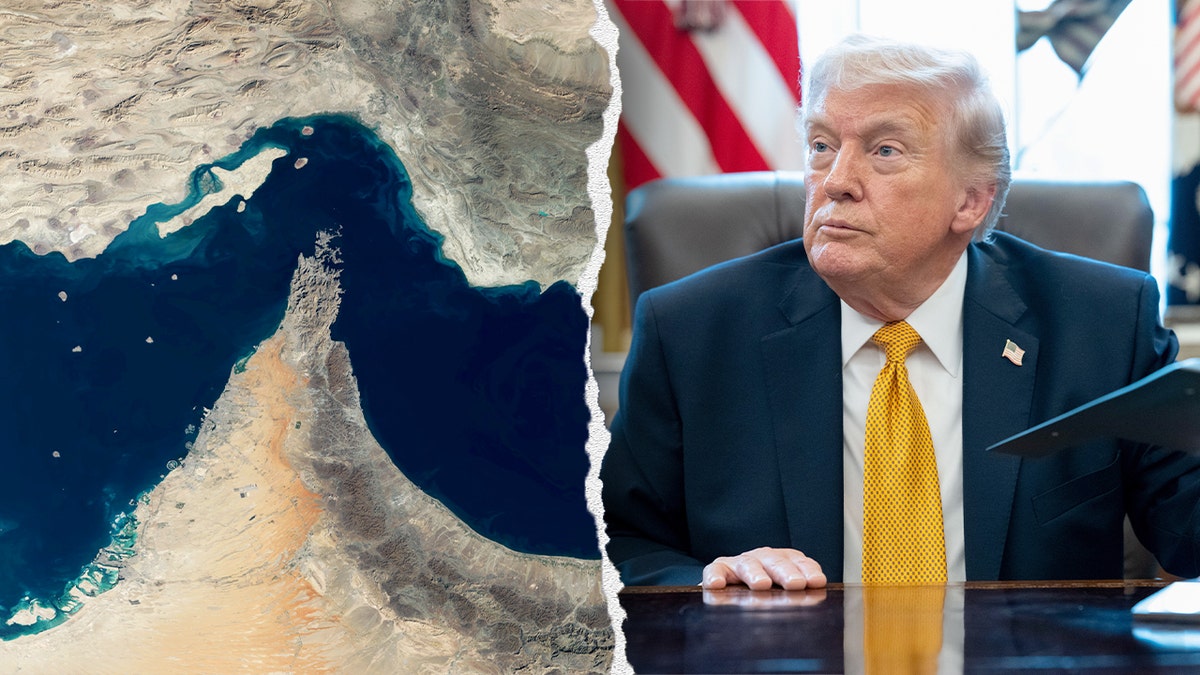
There are no immediate reports of formal negotiations aimed at salvaging the existing MoU, although regional intermediaries continue to monitor the situation. The next major checkpoint will likely be an official briefing from the U.S. Central Command (CENTCOM) regarding the findings of their investigation into the maritime incident. Until such time as a formal diplomatic inquiry is concluded, the maritime domain in the Persian Gulf remains in a state of high alert. Readers are encouraged to monitor updates from the U.S. Central Command for the most recent official statements regarding regional military operations.
Related reading