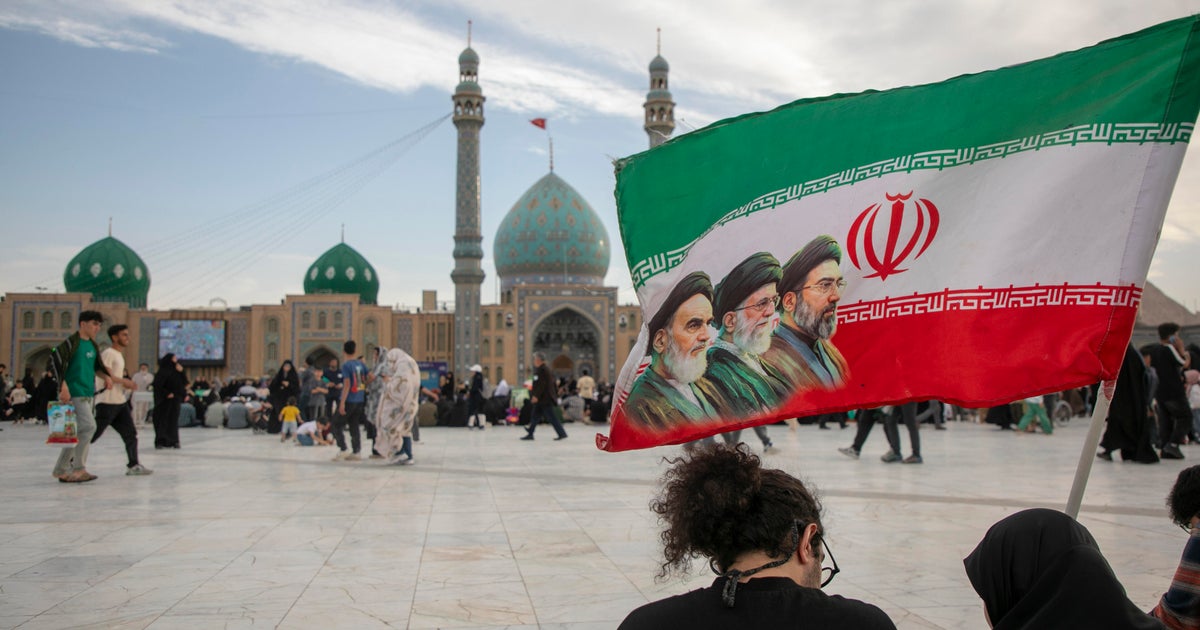
As diplomatic channels remain active in the ongoing efforts to manage tensions in the Middle East, Vice President JD Vance has signaled that while the United States and Iran are nearing a framework for an initial agreement regarding the Strait of Hormuz, the parties are “not there yet.” The remarks come amid a flurry of high-level activity in Washington, as the administration weighs the path forward for a potential de-escalation of regional hostilities.
The Strait of Hormuz remains a critical artery for global energy supplies and any disruption to its transit routes carries significant implications for international markets. Current diplomatic efforts are centered on achieving an initial deal to reopen the waterway to unimpeded traffic, a move that would represent a significant step toward stabilizing the region. However, officials continue to underscore the complexity of the negotiations, noting that key sticking points remain to be resolved before a formal agreement can be reached.
Diplomatic Efforts and the Path to De-escalation
The administration’s approach to the current crisis has been characterized by a combination of direct negotiation and the maintenance of a robust deterrent posture. President Donald Trump has been closely involved in the process, reportedly convening meetings in the Situation Room to evaluate the progress of ongoing talks. These deliberations are focused on the conditions for extending a ceasefire and the broader framework for future nuclear discussions, which remain a cornerstone of U.S. Foreign policy toward Tehran.

The diplomatic landscape is fluid, with negotiators working to bridge the gap between U.S. Requirements and Iranian demands. Analysts suggest that the potential for a breakthrough depends heavily on the willingness of both sides to make concessions on core security concerns. The current focus is on securing a stable, long-term ceasefire that could serve as a foundation for more comprehensive diplomatic engagement.
The Strategic Importance of the Strait of Hormuz
The Strait of Hormuz is widely recognized as one of the most important maritime chokepoints in the world, with a substantial portion of the world’s petroleum passing through its waters daily. Ensuring the freedom of navigation in this region is a primary objective for the U.S. And its international partners, as any closure or significant interference risks causing global price shocks and supply chain instability. The ongoing efforts to reach an agreement reflect the strategic necessity of maintaining open maritime corridors.

In addition to the diplomatic track, the U.S. Military continues to monitor the maritime environment in the eastern Pacific and beyond, responding to various security challenges as they arise. While these operations are distinct from the diplomatic negotiations in the Middle East, they underscore the administration’s focus on maintaining global maritime security through a multifaceted strategy. The U.S. Commitment to regional stability remains a central theme in the administration’s broader foreign policy agenda.
What Happens Next
As the administration moves toward a “final determination” on the parameters of a potential deal, observers are looking for signals regarding the next round of formal negotiations. The timeline for these discussions remains subject to change as officials evaluate the latest intelligence and the response from Iranian leadership. The focus in the coming days will likely remain on the details of the ceasefire extension and whether the parties can achieve sufficient consensus to move toward a more formal, long-term arrangement.
The administration has not yet announced a specific date for the next round of high-level talks, but official updates are expected as the situation develops. Maintaining transparency while navigating sensitive international negotiations remains a priority for the government. We will continue to monitor these developments closely and provide updates as they become available. We invite our readers to share their thoughts on the implications of these ongoing negotiations in the comments section below.
Related reading