The diplomatic effort to end the conflict between the United States and Iran reached a critical breaking point this weekend, as high-stakes peace talks in Islamabad collapsed without a deal. The failure has triggered an immediate and aggressive escalation, with the U.S. Military announcing a blockade of Iranian ports and the Strait of Hormuz, a move that threatens to send shockwaves through global energy markets.
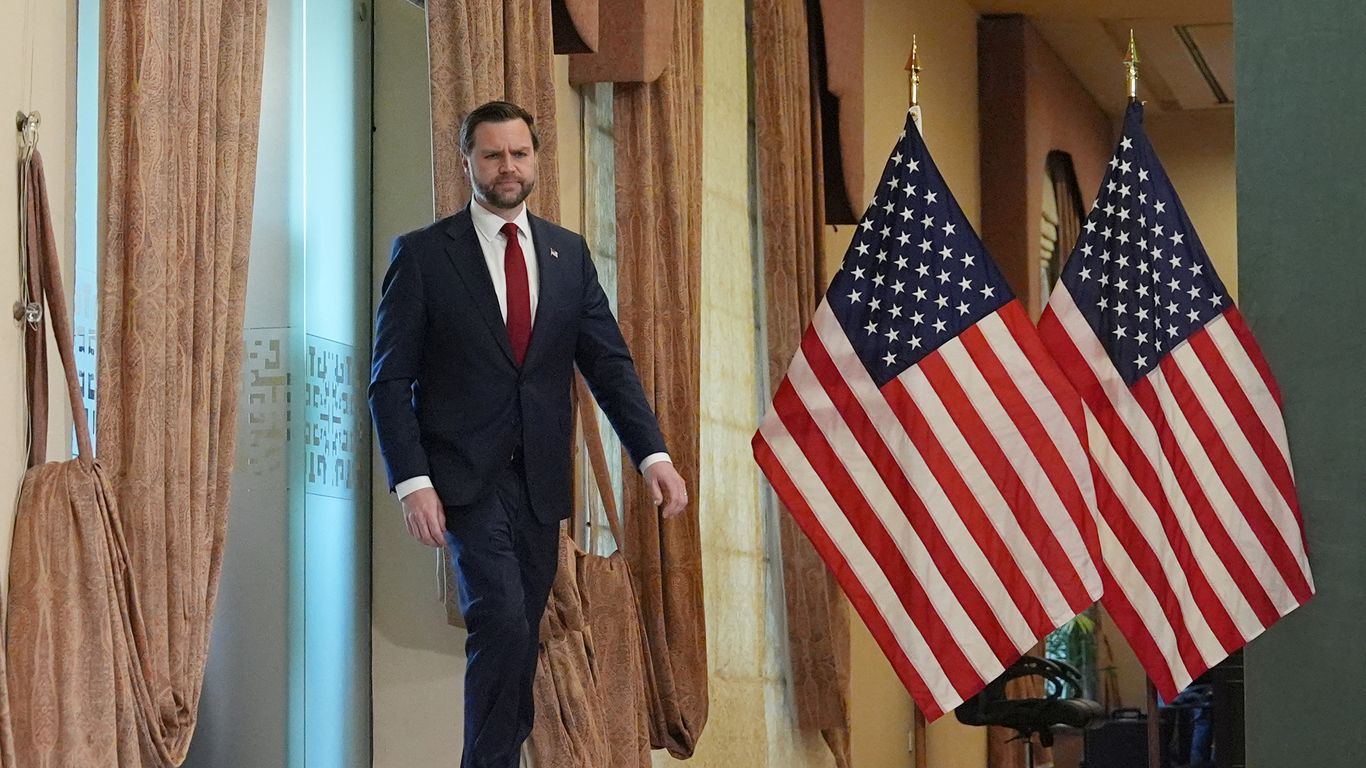
Vice President J.D. Vance, serving as Washington’s lead negotiator, confirmed the breakdown of the discussions on Sunday, stating that Iran had chosen not to accept U.S. Terms. The collapse centers on a fundamental disagreement over Iran’s nuclear capabilities, with Washington demanding an affirmative commitment that Tehran will not seek a nuclear weapon or the tools required to achieve one according to reports from Islamabad.
For the global business community, the most pressing concern is the immediate implementation of military pressure. President Trump announced via social media that the U.S. Would “blockade” the Strait of Hormuz, citing Iran’s unwillingness to abandon its nuclear ambitions. The U.S. Military’s Central Command (CENTCOM) specified that the blockade was scheduled to commence at 10 a.m. ET on Monday, April 13, though it noted that ships not utilizing Iranian ports would not be impeded as confirmed by CENTCOM officials.
The Nuclear Sticking Point: A 20-Year Divide
While the official statements from the U.S. Delegation focused on a general commitment to forgo nuclear weapons, reports from sources familiar with the negotiations suggest the divide was far more specific. It is reported that the United States proposed a 20-year moratorium on uranium enrichment as a cornerstone of the agreement. This demand would have required Iran to freeze its enrichment activities for two decades and potentially remove highly enriched uranium from its territory.
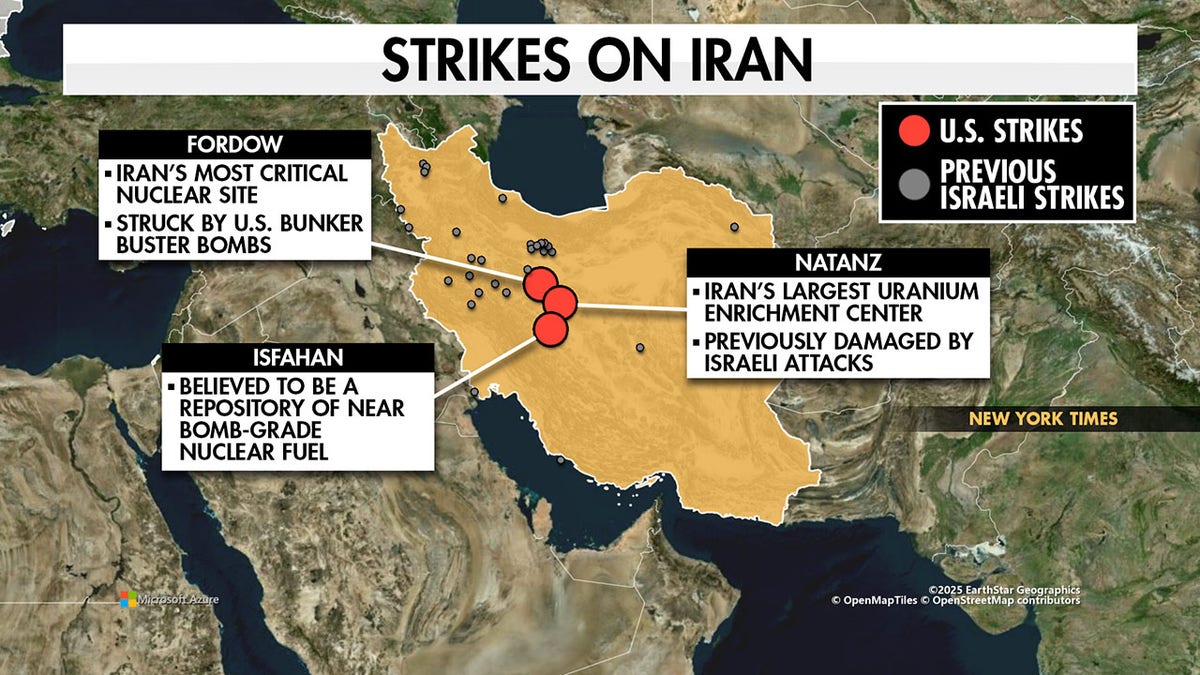
According to these sources, the Iranian delegation countered with a significantly shorter “single digit” period for any such freeze. The impasse over the duration of the moratorium—and whether Tehran would surrender its existing stockpile—became the primary obstacle that prevented a historic agreement. While Iran has consistently maintained that its nuclear program is civilian in nature and that it possesses the right to enrich uranium for peaceful purposes, Washington viewed any continued enrichment as a bridge to a weaponized capability.
The tension was exacerbated by a lack of trust between the two delegations. Mohammad-Baqer Qalibaf, the Speaker of the Iranian Parliament, indicated that the U.S. Side failed to gain the trust of the Iranian delegation, citing previous instances where Iran was bombed during ongoing negotiations over the past year as detailed in diplomatic analyses.
Economic Leverage and the ‘Grand Bargain’
From an economic perspective, the Islamabad talks represented a high-stakes gamble. The U.S. Had offered what experts describe as a “grand bargain”: the complete lifting of sanctions and the full reintegration of Iran into the international community, potentially evolving into a strategic partnership according to reports on the negotiations.
However, Tehran appeared to believe it held the stronger hand. Following six weeks of war and the loss of its Supreme Leader, the Iranian command viewed its control over the Strait of Hormuz as a critical lever of power over the global economy. This perception of leverage likely contributed to their refusal to accept the U.S. Terms on nuclear enrichment, as they viewed the U.S. Demands as a form of surrender rather than a partnership.
The resulting blockade of the Strait of Hormuz is a direct attempt by the Trump administration to shift that leverage. As a PhD in economics, I must emphasize that the Strait of Hormuz is the world’s most important oil transit chokepoint. Any disruption to the flow of tankers through this narrow waterway typically leads to immediate volatility in crude oil prices, increasing costs for refineries and consumers worldwide.
The Fragile State of the Ceasefire
The collapse of the talks has left the status of the current two-week ceasefire in deep uncertainty as reported by international observers. With the U.S. Moving toward a naval blockade, the risk of a return to full-scale hostilities is high.
Pakistan, which played a pivotal role in bringing the two adversaries together due to its ties with both Washington and Tehran, continues to attempt mediation. Despite Vice President Vance’s departure from Islamabad, Pakistani officials remained in contact with the Iranian delegation to see if any remaining gaps could be bridged before the ceasefire expires.
Additional reports suggest that mediators from Egypt and Turkey may also be attempting to facilitate a dialogue. There are unconfirmed reports that Turkish officials are encouraging Iran to evaluate the U.S. Proposal and are suggesting a possible extension of the ceasefire by 45 to 60 days to allow for further negotiations, though neither the White House nor Tehran has officially confirmed such an extension.
Key Takeaways: The Islamabad Breakdown
- The Trigger: Negotiations collapsed over U.S. Demands for a long-term freeze on uranium enrichment and a commitment to forgo nuclear weapons.
- The Escalation: A U.S. Naval blockade of Iranian ports and the Strait of Hormuz began Monday, April 13, at 10 a.m. ET per CENTCOM.
- The Economic Risk: The blockade targets Iran’s primary economic lever, threatening global oil stability and energy markets.
- The Diplomatic Gap: While the U.S. Offered sanctions relief, Iran’s distrust and perceived leverage over the Strait of Hormuz prevented a deal.
- The Deadline: The status of the two-week ceasefire is now uncertain, leaving a narrow window for mediators to prevent a return to war.
What Happens Next?
The immediate focus now shifts to the effectiveness of the CENTCOM blockade and whether it will coerce Iran back to the negotiating table or provoke a military response in the Gulf. Market analysts will be closely monitoring oil futures and shipping insurance rates as the blockade takes effect.
The next critical checkpoint is the expiration of the two-week ceasefire. If mediators from Pakistan, Egypt, or Turkey cannot secure an extension or a breakthrough on the nuclear enrichment timeline, the world may see a resumption of active conflict by the end of the month.
Do you believe economic pressure via a blockade is an effective tool for nuclear non-proliferation, or does it increase the risk of global economic instability? Share your thoughts in the comments below.
Keep reading