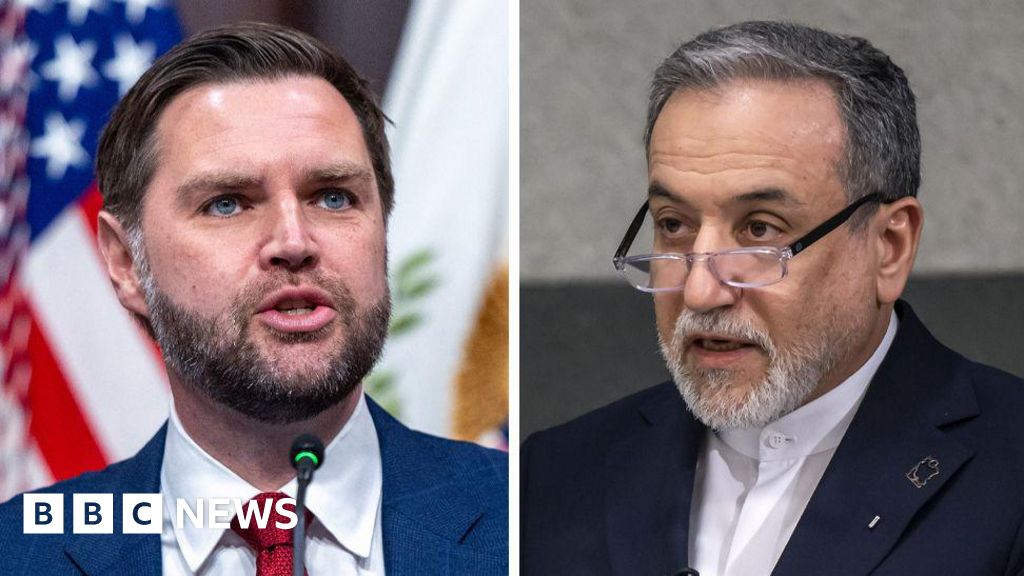
A fragile two-week ceasefire between the United States and Iran is currently holding, providing a narrow window for diplomacy as peace talks are scheduled to begin in Pakistan this Saturday. The truce comes after nearly six weeks of intense bombing and an escalation that brought the two nations to the brink of a catastrophic conflict.
The temporary cessation of hostilities was brokered through intensive backchannel diplomacy led by Pakistan. The breakthrough occurred just 90 minutes before a deadline set by U.S. President Donald Trump, who had previously threatened to destroy Iran’s “civilisation” via Truth Social.
While the ceasefire offers immediate relief to a world on edge, the upcoming negotiations in Islamabad face significant hurdles. The primary and most immediate sticking point remains the control and accessibility of the Strait of Hormuz, a critical global maritime chokepoint.
The Battle for the Strait of Hormuz
The most contentious issue currently dividing Washington and Tehran is the status of the Strait of Hormuz. President Trump has made the ceasefire conditional upon the “COMPLETE, IMMEDIATE and SAFE OPENING” of the waterway according to reports from DW. The U.S. Position demands unimpeded transit to ensure global energy security and freedom of navigation.
Conversely, Iranian Foreign Minister Abbas Araghchi has maintained a different stance. Following the confirmation of the ceasefire on X, Araghchi indicated that passage through the waterway would need to be conducted under the auspices of the Iranian armed forces as reported by Al Jazeera. This fundamental disagreement over sovereignty and military oversight of the strait represents a major diplomatic impasse that the Saturday talks must address.
Pakistan’s Role as the Strategic Intermediary
The successful brokering of this truce is being viewed as a significant diplomatic achievement for Pakistan. Prime Minister Shehbaz Sharif and military chief Asim Munir have leveraged a combination of long-standing bonds with Iran and carefully cultivated ties with the Trump administration to position Islamabad as a credible intermediary.
The foundation for this mediation was laid during a visit to the White House in September 2025, where Prime Minister Sharif and General Munir met with President Trump, Vice President JD Vance, and Secretary of State Marco Rubio. This relationship was further strengthened following a brief military escalation between Islamabad and Novel Delhi last May, which President Trump claimed to have helped end per DW.
According to Raja Qaiser Ahmed, an international relations expert at Quaid-e-Azam University, Pakistan succeeded by activating backchannel diplomacy and aligning the immediate interests of both Washington and Tehran around de-escalation. This effort allowed the two rival powers to translate a broad intent for peace into a workable, albeit temporary, pause in fighting via DW.
What is at Stake in the Saturday Talks
The US-Iran peace talks beginning this Saturday are designed to move beyond the temporary truce and establish a more permanent framework for peace. While the Strait of Hormuz is the most explicitly cited point of contention, the broader negotiations will likely grapple with the underlying causes of the six-week bombing campaign.

The involvement of Israel in the ceasefire agreement—which includes the U.S., Iran, and Israel—adds another layer of complexity to the proceedings per DW. The goal for the Pakistani mediators is to coordinate a mutually acceptable first step that reduces risk and creates sufficient space for a long-term dialogue.
For the international community, the stakes are immense. Any collapse of the two-week ceasefire could lead to a resumption of hostilities and the potential closure of the Strait of Hormuz, which would have severe implications for global oil prices and maritime trade.
Key Details of the Current Truce
| Feature | Detail |
|---|---|
| Duration | Two weeks |
| Mediator | Pakistan (PM Shehbaz Sharif & Army Chief Asim Munir) |
| Primary U.S. Demand | Complete, immediate, and safe opening of the Strait of Hormuz |
| Primary Iranian Position | Transit under the auspices of Iranian armed forces |
| Preceding Conflict | Nearly six weeks of bombing |
The next confirmed checkpoint is the commencement of the formal peace talks in Pakistan this Saturday. The outcome of these discussions will determine whether the current ceasefire evolves into a lasting peace or serves only as a brief intermission in a larger conflict.
World Today Journal will continue to monitor these developments. We invite our readers to share their perspectives on the role of neutral mediators in global conflicts in the comments section below.
Related reading