The diplomatic landscape between the United States and Iran has entered a volatile phase of contradiction. Whereas high-level negotiations in Pakistan recently collapsed without a deal, President Donald Trump has signaled a shift in momentum, announcing that the conflict is “almost over” and suggesting that diplomatic channels may reopen within days.
This development comes at a critical juncture. The two nations are currently operating under a fragile ceasefire established on April 8, which is scheduled to expire on April 21. The tension between the failed marathon talks in Islamabad and the current administration’s optimistic rhetoric leaves the international community questioning whether a breakthrough is imminent or if the region is sliding back toward active hostilities.
The conflict, which began on February 28 following a joint USA-Israel attack, has now persisted for six weeks. The latest attempt to end the war via diplomacy saw representatives from Washington and Tehran engage in a grueling 21-hour session in Pakistan, only to depart with their positions as irreconcilable as when they arrived.
The Islamabad Stalemate: 21 Hours of Deadlock
The most recent direct high-level talks between the two powers took place in Islamabad, Pakistan, beginning on Saturday, April 11. These discussions were historic in their own right, marking one of the first times since the 1979 revolution that the two countries held direct negotiations of such seniority according to reports from Il Post.
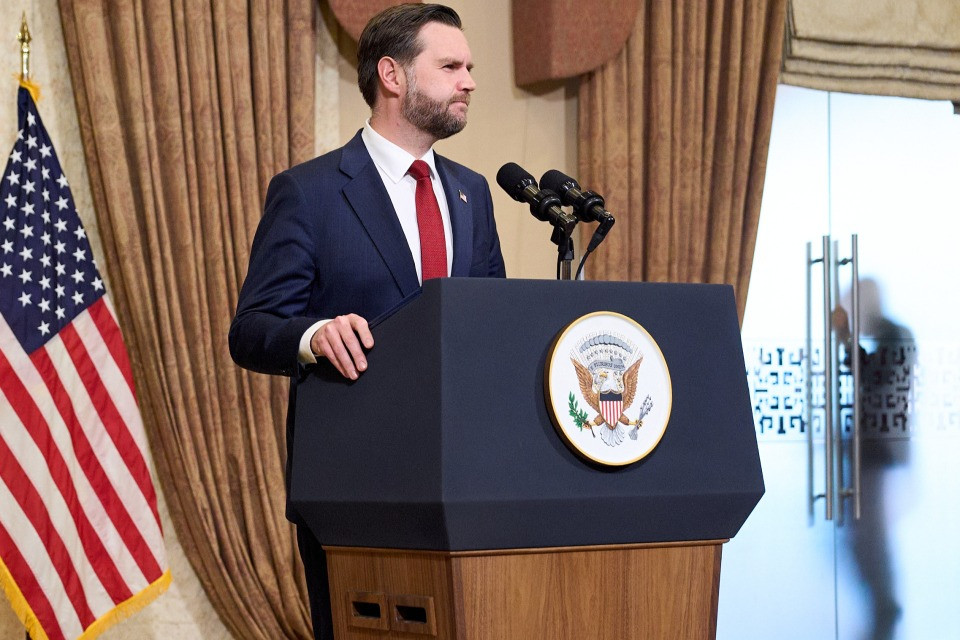
The U.S. Delegation, led by Vice President JD Vance, maintained a firm stance on “red lines” regarding Iranian security capabilities. Following the collapse of the talks on Sunday morning, Vance stated that the United States had made its requirements clear, but that Iranian negotiators chose not to accept the proposed conditions. Specifically, the U.S. Is demanding an affirmative and definitive commitment from Tehran to abandon the pursuit of nuclear weapons.

Vice President JD Vance gives an update in Pakistan:”The simple fact is that we need to see an affirmative commitment that they will not seek a nuclear weapon, and they will not seek the tools that would enable them to quickly achieve a nuclear weapon.”
— The White House (@WhiteHouse) April 12, 2026
From the Iranian perspective, the failure was attributed to “unreasonable” and “excessive” demands from the United States. Esmail Baqaei, the spokesperson for the Iranian Foreign Ministry, argued that for diplomacy to succeed, Washington must recognize the “legitimate interests and rights” of Iran and approach the table with genuine good faith.
Three Primary Obstacles to Peace
Analysts and reports indicate that the diplomatic impasse is not the result of a single disagreement, but rather three deeply entrenched structural issues that neither side has been willing to concede as detailed by Today.it:
- The Nuclear Program: The central point of contention remains the development of Iran’s nuclear capabilities. The U.S. Insists on a total abandonment of nuclear weapon ambitions, while Iran views its program through the lens of national sovereignty and legitimate energy needs.
- The Strait of Hormuz: Security and transit rights through one of the world’s most vital oil chokepoints remain a flashpoint, with both nations vying for influence and control over maritime stability.
- Frozen Assets: The status of Iranian funds currently frozen in foreign accounts remains a significant financial hurdle, with Tehran seeking the return of these assets as a prerequisite for a lasting agreement.
Trump’s Optimism and Potential Fresh Negotiations
Despite the failure in Islamabad, the narrative shifted on Thursday, April 16. President Trump has publicly claimed that “the war is almost over,” signaling a potential pivot in strategy or a private breakthrough not yet visible to the public via Vatican News.
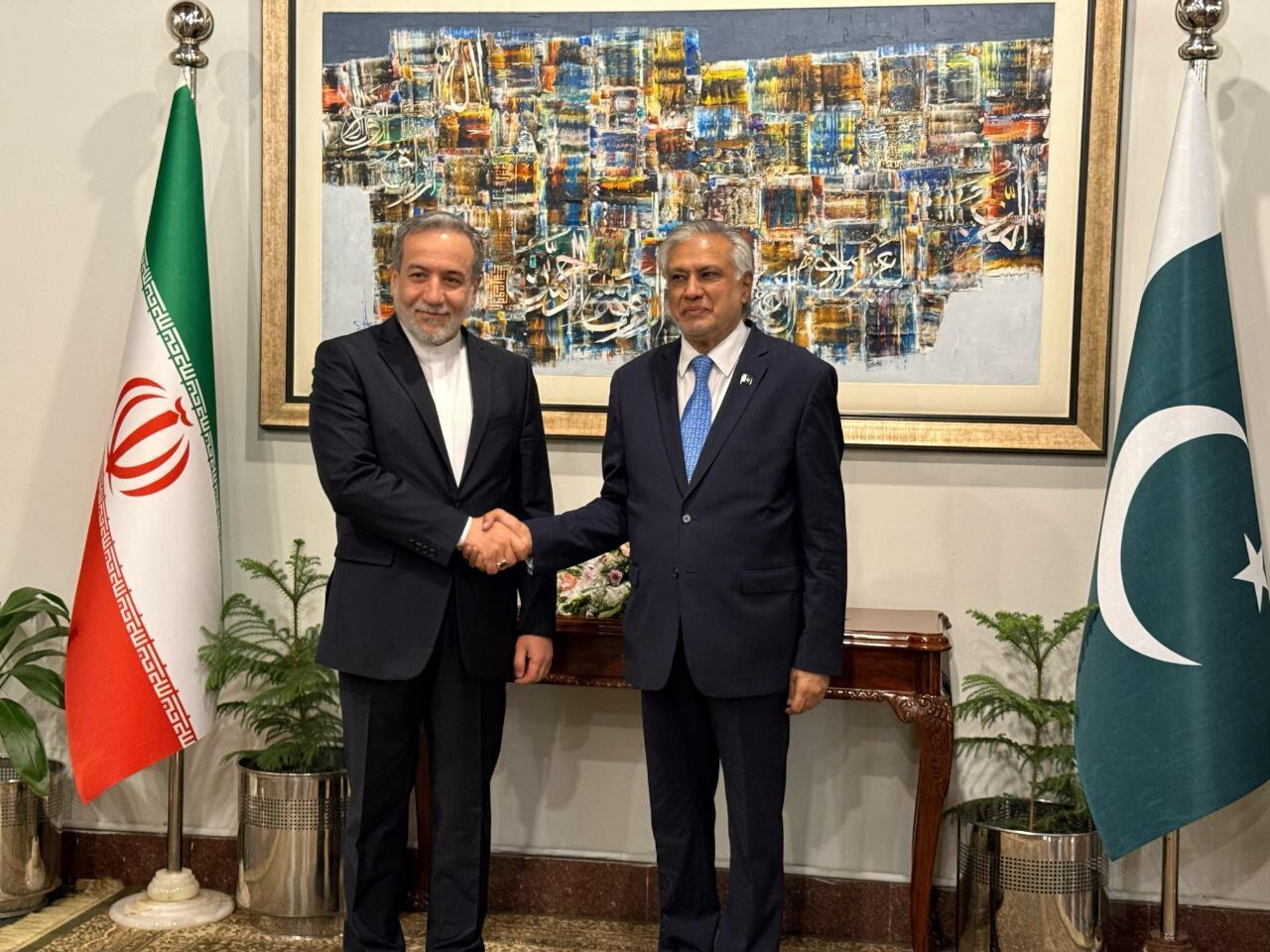
Indications suggest that the diplomatic table could be reset as early as the next two days. Pakistan, which hosted the previous failed round, remains available to facilitate these talks, potentially in coordination with China, which is also offering its support to host the proceedings.
This sudden optimism contrasts sharply with the statements made by JD Vance just days prior. It remains unclear if the U.S. Has softened its “red lines” or if Iran has signaled a willingness to move on the nuclear issue. However, the urgency is driven by the calendar: with the current ceasefire set to expire on April 21, both nations face a narrow window to avoid a return to open warfare.
Timeline of Recent Events
| Date | Event | Outcome |
|---|---|---|
| February 28 | Joint USA-Israel attack | Start of the war |
| April 8 | Ceasefire Agreement | Temporary cessation of hostilities |
| April 11-12 | Islamabad Negotiations | Failure to reach an agreement after 21 hours |
| April 16 | Trump Announcement | Claim that war is “almost over”; new talks signaled |
| April 21 | Ceasefire Deadline | Current agreement expires |
The international community is now watching to see if the proposed resumption of talks will lead to a concrete treaty or if the current rhetoric is merely a tactical maneuver before the ceasefire expires. The involvement of China as a potential co-host adds a layer of geopolitical complexity, suggesting that a broader regional agreement may be the only way to resolve the three core disputes regarding nuclear ambitions, maritime security, and frozen capital.
The next critical checkpoint is April 21, 2026, the date the current ceasefire expires. Whether the “almost over” rhetoric translates into a signed peace deal will be determined in the coming days.
Do you believe a diplomatic solution is possible given the nuclear deadlock? Share your thoughts in the comments below.
Related reading