
In an era where financial assets are increasingly digitized, a new wave of security threats is targeting the very tools we use to manage our wealth. Reports have surfaced regarding the detection of malware specifically designed to steal data from digital wallets, prompting cybersecurity specialists to issue urgent warnings about the necessity of “digital hygiene.”
The rise of these threats highlights a critical vulnerability in how users interact with their devices. Even as many focus on complex passwords and encryption, the simplest habits—or lack thereof—often provide the easiest entry point for malicious actors. The current situation serves as a reminder that technical safeguards are only as effective as the behavioral habits of the people using them.
As a physician and health journalist, I often speak about preventative medicine—the small, daily choices that prevent catastrophic health failures. Digital hygiene operates on the exact same principle. By implementing a few rigorous “preventative” habits, users can shield their digital assets from theft, effectively immunizing their portfolios against common malware vectors.
The Danger of “Convenient” Storage
One of the most persistent risks identified by specialists is the tendency of users to store sensitive information in easily accessible locations, most notably the photo gallery of their smartphones. For many, taking a screenshot of a recovery phrase, a private key, or a password feels like a convenient way to ensure the information is never lost.
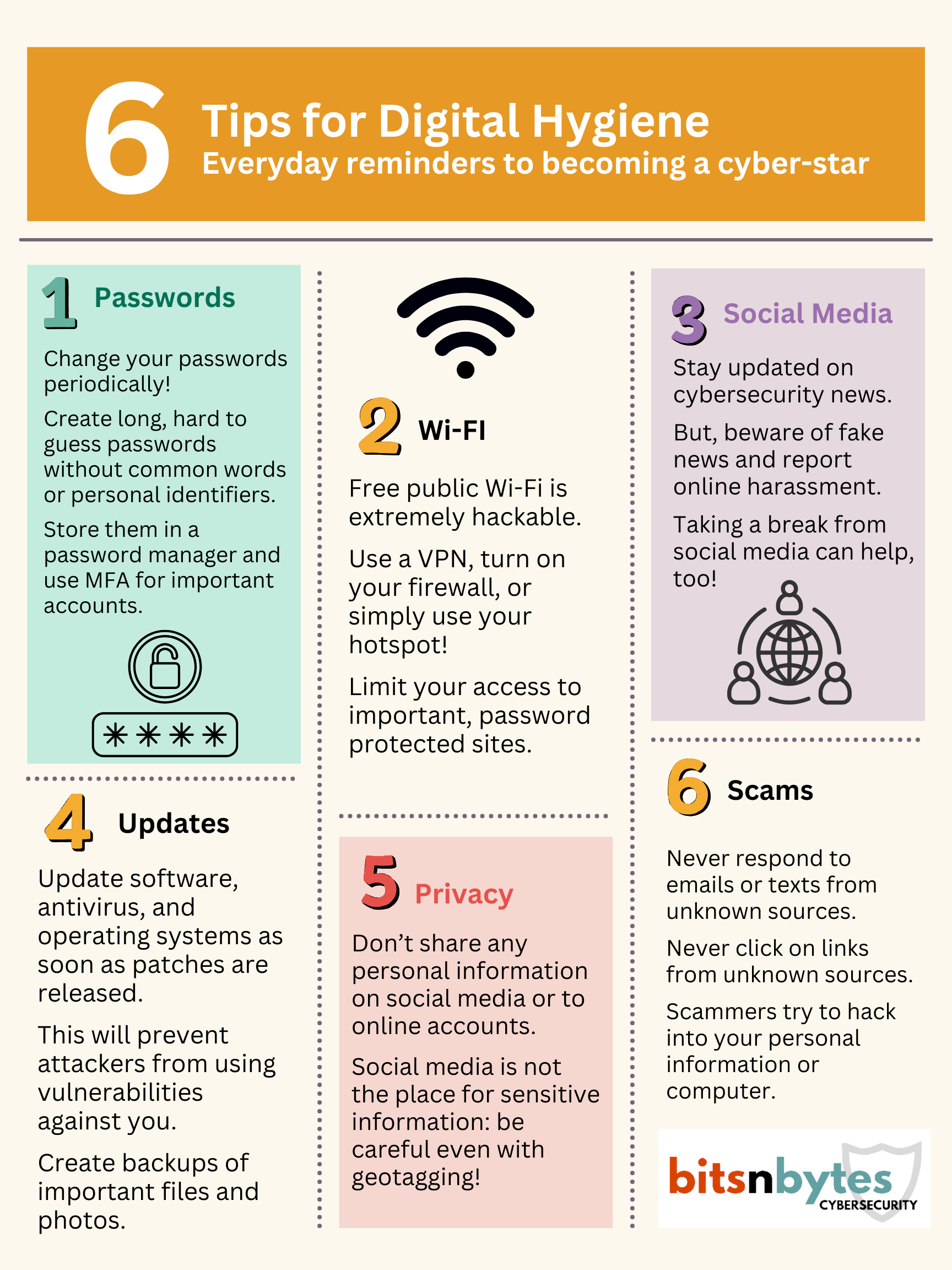
However, this convenience is a primary target for modern malware. Many malicious applications request permission to access a device’s photos and media files under the guise of providing a service. Once granted, the malware can scan the gallery for images that resemble passwords, seed phrases, or QR codes, silently exfiltrating this data to remote servers without the user ever noticing a breach.
Specialists emphasize that avoiding the storage of sensitive data in photo galleries is a non-negotiable step in maintaining a secure digital environment. When assets are stored in a digital wallet, the “key” to those assets should never exist in a format that can be indexed or scanned by a third-party application.
Defining Digital Hygiene
The term “digital hygiene” refers to the routine practices and habits that individuals adopt to maintain the health and security of their online presence. Much like physical hygiene prevents the spread of infection, digital hygiene prevents the “infection” of devices by malware and the subsequent theft of data.
At its core, digital hygiene is about reducing the attack surface. This involves a conscious effort to limit the amount of sensitive data available in plain sight on a device. Beyond the photo gallery, this includes regularly updating software to patch vulnerabilities, using unique passwords for different accounts, and being skeptical of unsolicited links or applications.
The goal is not to enter a state of panic, but to transition into a state of informed vigilance. By treating digital security as a daily habit rather than a one-time setup, users can significantly lower their risk profile.
Broader Lessons in Platform Security
The vulnerability of digital wallets is not an isolated issue but part of a broader pattern of security failures across various digital platforms. The importance of robust security frameworks is often only fully realized after a significant breach occurs, providing critical lessons for both developers, and users.
For instance, security discussions surrounding gaming platforms have highlighted how vulnerabilities can be exploited when security is treated as an afterthought. The case of Jamie Borne underscores the systemic importance of security in digital ecosystems, demonstrating that when platforms fail to protect user data, the consequences can be far-reaching Lecciones del caso de Jamie Borne.
Whether it is a gaming account or a cryptocurrency wallet, the fundamental principle remains the same: security must be integrated into the architecture of the platform and the behavior of the user. When these two elements align, the risk of successful malware attacks is dramatically reduced.
Key Takeaways for Digital Asset Protection
- Purge Sensitive Images: Immediately delete any screenshots of passwords, seed phrases, or private keys from your photo gallery and cloud backups.
- Audit App Permissions: Review which applications have access to your photos and files; revoke access for any app that does not strictly require it.
- Adopt a Hygiene Mindset: View digital security as a recurring habit—similar to hand-washing—rather than a one-time task.
- Separate Storage: Use dedicated, encrypted password managers or physical “cold storage” for the most sensitive digital wallet credentials.
As digital wallet technology continues to evolve, so will the methods used by those attempting to compromise them. The most effective defense remains a combination of updated software and disciplined user behavior. By prioritizing digital hygiene today, you protect your financial health for tomorrow.
We will continue to monitor official advisories regarding new malware strains and recovery protocols. Please share this guide with others who utilize digital wallets to aid spread awareness of these essential security practices. We welcome your thoughts and experiences with digital security in the comments below.
Worth a look