/data/photo/2023/03/01/63fec54109aa0.jpg)
Diplomatic efforts to end the conflict in Iran have reached a critical impasse following high-stakes negotiations in Islamabad. U.S. Vice President JD Vance returned from the Pakistani capital on Sunday without a major breakthrough, leaving Washington and Tehran far apart on several key sticking points, most notably the future of Iran’s nuclear program.
The talks, which lasted 21 hours, saw the two nations struggle to find common ground on the management of enriched uranium. While U.S. Officials described the atmosphere as “tough but friendly” and noted the exchange of productive proposals, the lack of a concrete agreement has led to an immediate escalation in pressure from the White House.
President Donald Trump expressed his dissatisfaction with the lack of progress via social media on Sunday. In a swift response to the diplomatic deadlock, the U.S. Military announced it would stop all maritime traffic entering and exiting Iranian ports starting Monday morning, as the president ordered a blockade of the Strait of Hormuz effective immediately.
The current volatility underscores the deep-seated mistrust between the two governments. On Tuesday, April 14, Vice President Vance acknowledged that the mistrust between Washington and Tehran cannot be solved overnight and remains a significant hurdle to any lasting peace agreement.
The Sticking Points: Uranium, Proxies, and Trade
According to a U.S. Official, the primary obstacle remains the regime’s enriched uranium. The two sides failed to reach an agreement on the disposal or limitation of these reserves, which is a central concern for U.S. National security and international non-proliferation efforts.
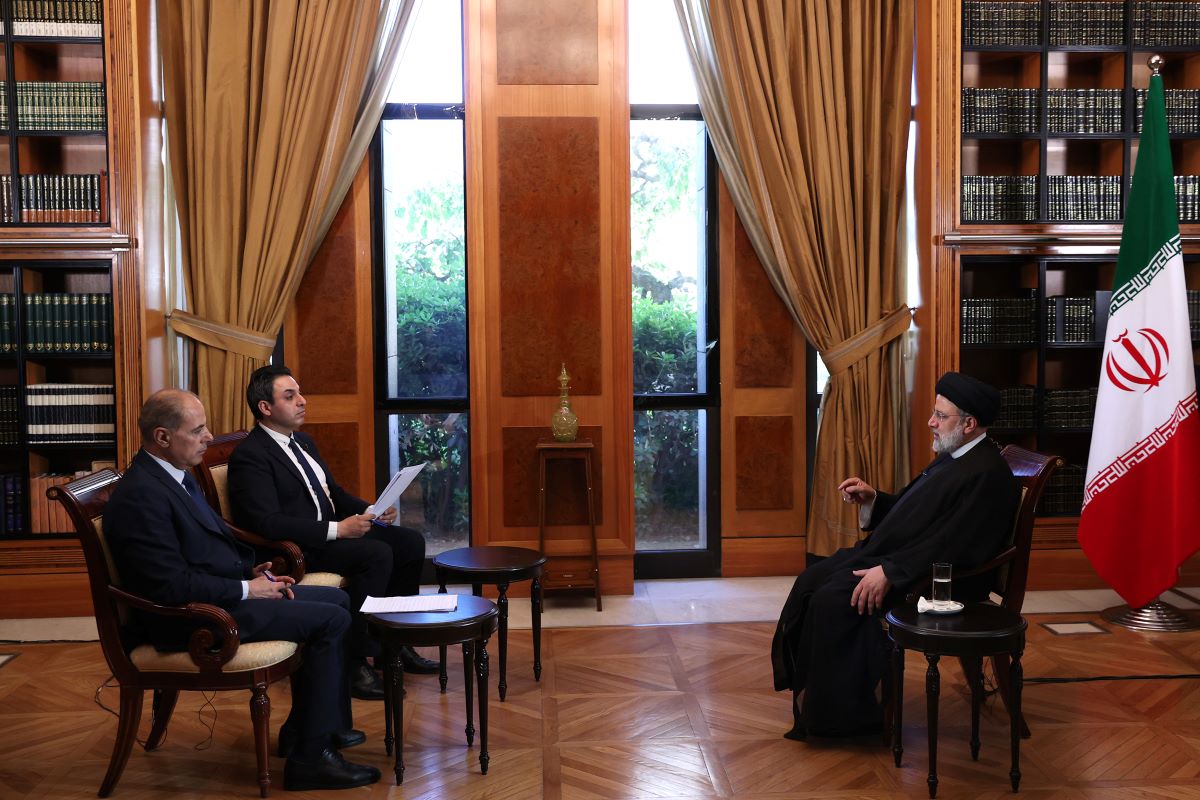
Beyond the nuclear issue, the U.S. Is demanding a firm commitment from Iran to cease funding proxy groups, specifically naming Hezbollah and Hamas. The administration views the dismantling of these financial and operational pipelines as essential for regional stability.
Economic and maritime access also played a central role in the Islamabad discussions. A top priority for President Trump is the reopening of the Strait of Hormuz without the imposition of toll charges. The failure to secure this agreement contributed to the decision to implement the naval blockade.
The Islamabad Negotiations
Vice President Vance presented Tehran with a final offer on Saturday during the marathon session. Whereas the specific details of the offer were not disclosed, Vance reportedly left the meetings convinced that Iran was “overplaying its hand,” though he remained hopeful that a deal could eventually be reached according to U.S. Officials.
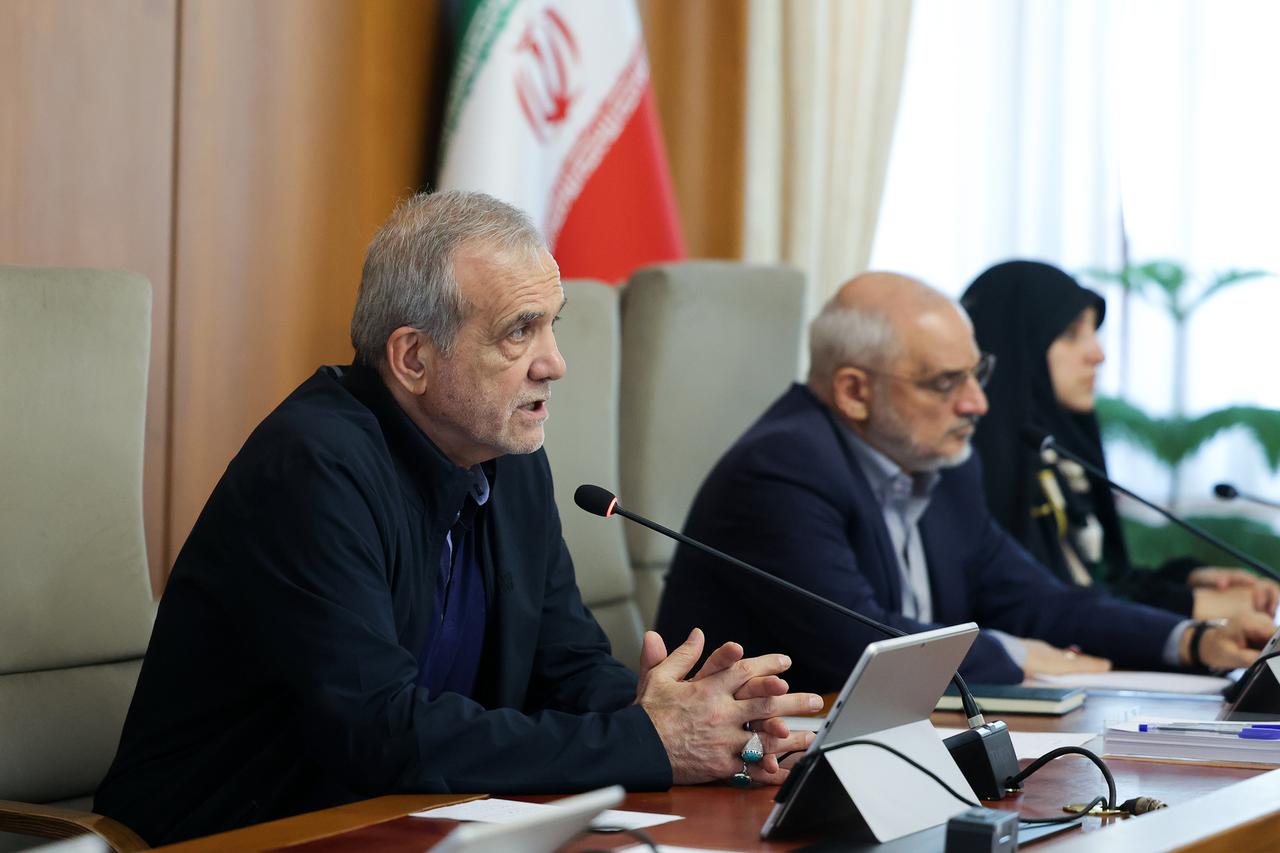
From the Iranian perspective, President Masoud Pezeshkian suggested that an agreement is possible, but only if the American government “abandons its totalitarianism and respects the rights of the Iranian nation.” This rhetoric highlights the ideological divide that continues to hamper diplomatic progress.
Escalation and the Blockade of the Strait of Hormuz
The transition from diplomacy to economic warfare happened rapidly following the conclusion of the talks. The U.S. Military’s move to block maritime traffic is designed to apply maximum pressure on the Iranian economy, leveraging the strategic importance of the Strait of Hormuz as a global oil transit point.

This move follows a pattern of “maximum pressure” tactics intended to force Tehran back to the negotiating table with more concessions. However, the blockade also risks increasing tensions with other regional players and impacting global energy markets.
Regional Implications and Proxy Warfare
The U.S. Insistence on the cessation of funding for Hezbollah and Hamas indicates that the conflict is not merely bilateral. Washington is treating the war in Iran as part of a broader struggle against Iranian-backed influence across the Middle East.
The failure to secure these commitments in Islamabad suggests that Tehran may not be ready to decouple its foreign policy from its regional allies, even in the face of a total maritime blockade.
Key Takeaways from the Islamabad Talks
- Nuclear Deadlock: No agreement reached regarding Iran’s enriched uranium reserves.
- Maritime Conflict: The U.S. Has initiated a blockade of the Strait of Hormuz to pressure Iran.
- Proxy Demands: Washington continues to demand a total stop to the funding of Hamas and Hezbollah.
- Diplomatic Tone: Despite the lack of a deal, officials described the 21-hour talks as “tough but friendly.”
- U.S. Position: Vice President Vance believes Iran is overplaying its hand but remains open to future negotiations.
As the U.S. Military implements the blockade of Iranian ports, the international community awaits whether this escalation will force a return to the table or further entrench the conflict. The next critical phase will depend on whether Tehran responds to the economic pressure with new concessions or further defiance.
World Today Journal encourages readers to share this report and leave their perspectives on the current diplomatic crisis in the comments section below.