High Stakes in Geneva: US-Iran Talks Proceed Amidst Escalating Tensions
Geneva is set to be the stage for a critical round of negotiations between the United States and Iran this Thursday, as both nations grapple with the possibility of a diplomatic resolution or a descent into open conflict. The talks are occurring against a backdrop of heightened military posturing in the Middle East and increasingly direct threats from Washington regarding the use of force should diplomacy fail. The situation is further complicated by reports suggesting both sides are preparing for worst-case scenarios, raising the specter of a wider regional war. The core issue remains Iran’s nuclear program, but the discussions are now inextricably linked to broader regional security concerns and the potential for miscalculation.
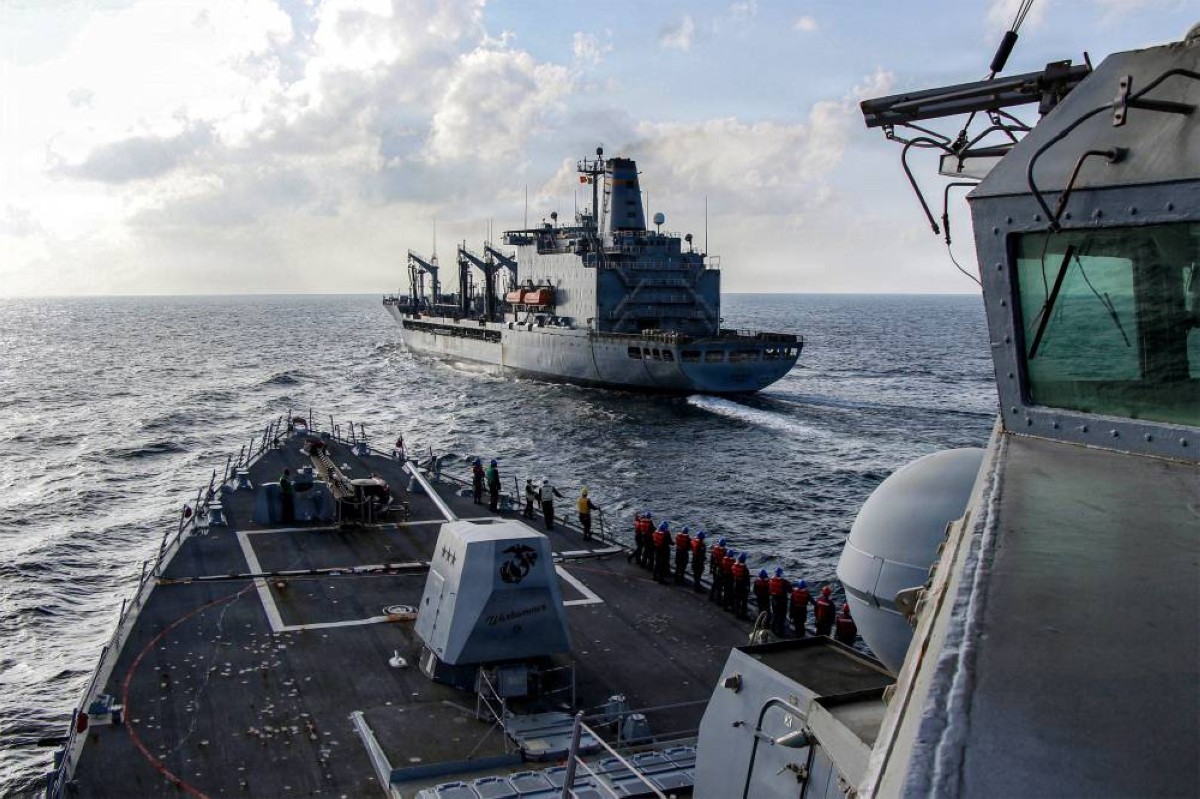
The urgency of the situation is underscored by the simultaneous military build-up in the region. The United States has significantly increased its naval presence, deploying 13 warships, including the aircraft carrier USS Abraham Lincoln, with the USS Gerald R. Ford too en route to the eastern Mediterranean, according to Sky News Arabia. This display of force is widely interpreted as a signal of resolve and a demonstration of the US’s willingness to use military options if negotiations falter. The stakes are exceptionally high, with both sides seemingly aware that the outcome of these talks could determine the trajectory of their relationship for years to come.
While the Biden administration seeks a diplomatic solution, it has also made it clear that all options remain on the table. The US is focused on halting Iran’s full enrichment of uranium, citing concerns about Tehran’s potential to develop nuclear weapons. This position stems from a belief that Iran’s current nuclear activities pose an unacceptable risk to regional and global security. The Iranian side, however, appears to be signaling a willingness to offer concessions, potentially including sending half of its highly enriched uranium stockpile abroad and reducing the enrichment level of the remaining portion, as reported by Reuters. Whether these proposals will be sufficient to satisfy US demands remains to be seen.
A Delicate Balance: Diplomacy and Deterrence
The current round of negotiations, the third of its kind facilitated by Oman, differs significantly from previous attempts due to the heightened tensions and the explicit threat of military action. Omani Foreign Minister Bader Al Busaidi has expressed optimism, stating that the talks are proceeding “with a positive intent to reach an agreement,” but the situation remains precarious. The US delegation is led by President Trump’s advisor, Steve Witkoff, and Jared Kushner, indicating the issue has reached the highest levels of the White House. This direct involvement underscores the seriousness with which the administration views the situation.
Iranian Foreign Minister Abbas Araghchi, speaking to CBS News, indicated that there is still a “decent opportunity to reach a diplomatic solution that benefits everyone,” and that they are working on “elements of an agreement and a draft text.” However, he also clarified that the Iranian leadership has not yet approved any final version. This suggests that while Iran is willing to negotiate, it is also prepared to walk away if its core concerns are not addressed. The potential for a breakthrough hinges on the ability of both sides to bridge the gap between their stated positions and find common ground.
Adding to the complexity, reports have emerged suggesting that Supreme Leader Ayatollah Ali Khamenei has tasked Ali Larijani, a trusted aide, with managing affairs in the event of a confrontation with the United States, including preparations for potential assassination attempts, according to the New York Times. This move indicates a level of preparedness for a worst-case scenario and suggests that the Iranian leadership is taking the threat of military action seriously. The New York Times reported that President Trump held a meeting in the White House Situation Room to discuss military options against Iran, including a potential large-scale strike if diplomatic efforts fail.
Military Posturing and Potential Scenarios
The escalating tensions are not limited to rhetoric. The United States has deployed eight Arleigh Burke-class destroyers equipped with guided missiles to the Middle East, and approximately 120 US aircraft have crossed the Atlantic in recent days. These include fighter jets, aerial refueling tankers, and reconnaissance aircraft, all converging on the region. At least one Ohio-class submarine, armed with cruise missiles, is believed to be positioned to target Iran. This substantial and rapid military build-up is a clear message intended to pressure the Iranian regime, as noted by The Atlantic.
Analysts suggest that the most likely scenario in the coming days is a period of escalating events, potentially involving a series of limited strikes against symbolic but painful targets. This could be a tactic to attract attention, recalibrate calculations, and pave the way for a different type of negotiation. However, the risk of miscalculation and unintended escalation remains high. The potential outcomes range from a limited, phased agreement involving a freeze on enrichment in exchange for partial sanctions relief, to a period of “hot deterrence” characterized by limited friction impacting oil prices and maritime shipping, and the possibility of a full-scale war.
According to reports, the US administration is demanding that Iran halt its ballistic missile program and end its support for regional allies such as Hezbollah in Lebanon and the Houthi rebels in Yemen. However, it remains unclear whether these demands are preconditions for negotiation or “red lines” that would trigger a confrontation. The ambiguity surrounding these demands adds to the uncertainty and complicates the negotiation process.
Looking Ahead: What’s at Stake?
The outcome of the Geneva talks will have far-reaching consequences for the Middle East and beyond. A successful resolution could de-escalate tensions, prevent a potentially devastating war, and pave the way for a more stable regional security architecture. However, a failure to reach an agreement could lead to a dangerous escalation, with potentially catastrophic consequences. The situation is further complicated by the domestic political considerations in both the United States and Iran, which could limit the flexibility of negotiators.
The US approach, as articulated by Deputy President J.D. Vance, emphasizes a firm stance on Iran’s nuclear activities, with a demand for a complete halt to uranium enrichment. Vance stated on Fox News that while discussions had been “going well in some respects,” no breakthrough had been achieved and that military action remained an option. This underscores the administration’s commitment to using all available tools to prevent Iran from acquiring a nuclear weapon. The Iranian response, while expressing willingness to negotiate, has also been firm in defending its right to a peaceful nuclear program.
The coming days will be critical in determining whether diplomacy can prevail over the threat of war. The world is watching closely, hoping that both sides can find a way to de-escalate tensions and avoid a conflict that would have devastating consequences for the region and the world. The next key development to watch for will be any official statement from either the US or Iranian governments regarding the progress of the negotiations, expected within the next 48-72 hours.
What are your thoughts on the situation in Geneva? Share your comments below and share this article with your network.