
Diplomatic envoys have arrived in Switzerland for high-stakes negotiations aimed at addressing the long-standing tensions between the United States and Iran, even as regional conflict continues to complicate the international landscape. The discussions, which are scheduled to commence on Sunday, follow a period of heightened rhetoric regarding the status of the Strait of Hormuz and broader regional security concerns. The outcome of these talks remains uncertain, with significant hurdles persisting regarding both the scope of the negotiations and the ongoing instability in Lebanon, according to reports from Reuters and Axios.
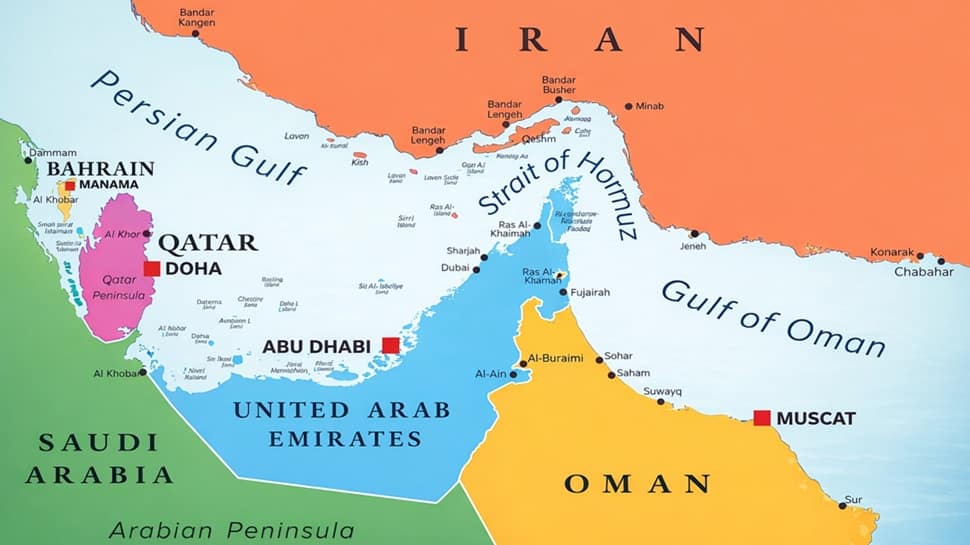
The diplomatic push comes against a backdrop of specific U.S. demands. President-elect Donald Trump has publicly threatened to impose tolls on vessels transiting the Strait of Hormuz if a comprehensive agreement is not reached within 60 days, as reported by the Associated Press. This ultimatum adds a layer of economic and strategic pressure to the proceedings in Switzerland, where negotiators are attempting to reconcile starkly different priorities between Washington and Tehran. The status of the maritime chokepoint remains a primary point of contention in the lead-up to the meetings, as noted by Bloomberg.
The Diplomatic Context in Switzerland
The arrival of U.S. envoys in Switzerland marks a formal attempt to restart a dialogue that has remained largely frozen for months. For the U.S. delegation, the primary objective is to secure long-term stability in the Persian Gulf and limit Iran’s regional influence. Conversely, Iranian representatives are expected to seek relief from economic sanctions that have constrained their national economy for several years. The success of these talks depends on whether both sides can move beyond entrenched positions regarding their respective security requirements.
The logistical preparation for these talks has been described as chaotic, reflecting the deep-seated mistrust between the two nations. While the meeting is set for Sunday, officials from both sides have provided conflicting signals regarding the potential for a breakthrough. The reliance on indirect communication channels has further delayed substantive progress, forcing mediators to work under intense pressure to maintain the schedule of the summit.
Impact of Regional Conflict on Negotiations
The ongoing military conflict in Lebanon acts as a significant obstacle to the diplomatic process. According to Reuters, the persistence of fighting has made it difficult for regional stakeholders to commit to the de-escalation measures that the United States is pushing for in the wider talks. The influence of Iran-backed groups in Lebanon remains a focal point of U.S. concerns, and the current intensity of the conflict complicates the ability of negotiators to separate regional military activities from the broader nuclear and maritime discussions.
The volatility in the Middle East has forced a shift in how these talks are perceived by international observers. While previous rounds of diplomacy focused almost exclusively on nuclear proliferation, the current agenda is heavily influenced by the immediate need to prevent a wider regional war. This shift in focus is an attempt to address the immediate security concerns of U.S. allies in the Gulf, who have expressed anxiety over the potential for supply chain disruptions in the Strait of Hormuz.
Strategic Stakes in the Strait of Hormuz
The threat of tolls in the Strait of Hormuz represents a significant escalation in the economic language used by the incoming U.S. administration. The Strait is a critical maritime route, with the U.S. Energy Information Administration noting that approximately 21 million barrels of oil per day passed through the waterway in recent years, accounting for a significant portion of global petroleum consumption. Any attempt to levy tolls or restrict passage would likely trigger a severe reaction from both Iran and the international shipping community.
Market analysts have expressed concern that the 60-day deadline imposed by the U.S. side creates a false sense of urgency that may backfire. By setting a hard date for a final deal, the administration risks painting itself into a corner where failure to reach an agreement could force a choice between backing down on the threat or taking an action that could destabilize global oil markets. The Iranian government has not officially responded to the specific 60-day ultimatum, but state-affiliated media outlets have previously characterized such threats as coercive.
What Happens Next
The immediate next step in this diplomatic process is the Sunday meeting in Switzerland. Observers will be looking for a joint statement or a press briefing following the conclusion of the talks to determine if a framework for continued dialogue has been established. If the parties fail to agree on a path forward, the risk of increased maritime patrols or localized military posturing in the Persian Gulf remains high.

The international community, particularly the European Union and the United Nations, is expected to monitor the situation closely, with many nations urging both sides to prioritize de-escalation. Future updates regarding the status of these negotiations will be provided as official statements are released by the participating delegations. Readers are encouraged to follow the official releases from the U.S. Department of State and the Iranian Ministry of Foreign Affairs for the most accurate, real-time developments.
Keep reading