
Rising tensions in the Strait of Hormuz have cast significant doubt on the stability of the fragile de-escalation between the United States and Iran, following reports of a maritime attack on a civilian vessel. This incident marks the second such reported strike on a merchant ship since the two nations entered into a tenuous cessation of hostilities, raising urgent questions regarding the potential for renewed retaliatory military action in the region.
My assessment is that this latest escalation threatens the precarious balance of power in one of the world’s most critical maritime corridors. The Strait of Hormuz remains a central artery for global energy supplies, and any disruption to commercial shipping there carries immediate consequences for international markets and regional stability.
Recent Maritime Incidents and Escalation Risks
The latest report involves a merchant vessel being struck by an unidentified projectile while transiting the Strait of Hormuz. While official confirmation regarding the origin of the projectile remains pending, the timing of the strike has prompted immediate scrutiny. The incident follows a period of heightened rhetoric between Washington and Tehran, complicating efforts to maintain the current informal truce.
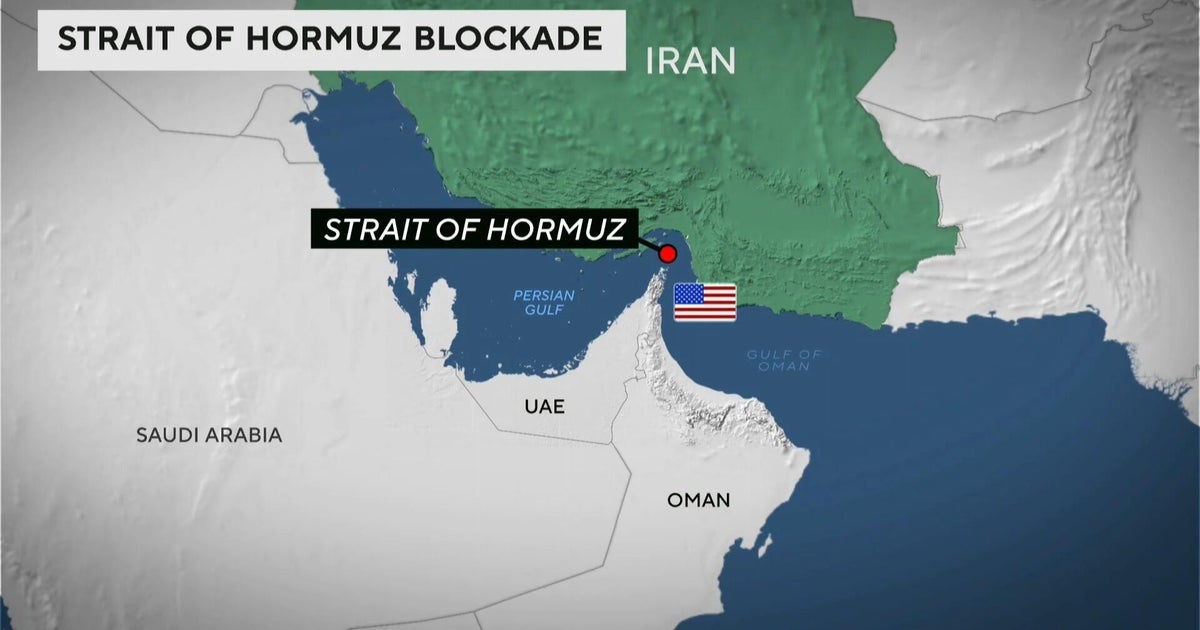
The U.S. military maintains a significant presence in the region. In recent instances of direct engagement, the U.S. has conducted targeted strikes against facilities linked to Iranian-backed groups in response to provocations, and Iran has responded with counter-attacks on U.S. military bases. These actions are framed as a cycle of violence following warnings from figures such as Vance.
The Fragility of the U.S.-Iran De-escalation
The current state of affairs is characterized by what observers describe as “tit-for-tat” cycles of violence. When a merchant ship is targeted, it often triggers a sequence of warnings and counter-warnings. Diplomatic efforts to establish a lasting ceasefire have struggled to overcome the deep-seated mistrust and the competing strategic interests of both powers.
The rhetoric from political figures in both nations suggests that the window for meaningful diplomacy may be narrowing. Recent statements from U.S. officials have emphasized that any threats to civilian shipping or military assets will be met with a proportionate, decisive response. Conversely, Tehran has consistently denied direct involvement in attacks on commercial vessels.
What Happens Next in the Strait of Hormuz?
The immediate future depends on whether the most recent attack is treated as an isolated event or a precursor to a wider military confrontation.
For the shipping industry, the primary concern is the potential for increased insurance premiums and the necessity of rerouting vessels, which could have downstream effects on global supply chains. As of this writing, there have been no confirmed reports of mass casualties or catastrophic environmental damage resulting from the latest strike. The situation remains fluid, and stakeholders are awaiting further intelligence and statements from relevant international maritime authorities.
The international community will be watching for any signs of de-escalation or further military mobilization in the coming days. I encourage our readers to check official government advisories for the most accurate and up-to-date guidance if they are involved in regional logistics or travel. We will continue to provide updates as verified information becomes available. Please share your thoughts on the implications of these developments in the comments section below.
Worth a look