Extreme heat, low humidity, and high winds have created a high-risk environment for wildfires across the western United States, prompting officials to impose strict bans on fireworks ahead of the Fourth of July holiday. Utah, currently battling the largest U.S. wildfire, has declared a state of emergency to mobilize resources as fire crews face what meteorologists describe as a “particularly dangerous” weather pattern.
The convergence of a historic “red flag” weather warning and the traditional peak of firework usage has led to emergency restrictions. The combination of dry vegetation and erratic winds significantly increases the probability of rapid fire ignition and spread, placing emergency services under extreme strain.
Utah’s Emergency Declaration and Fire Containment Challenges
Utah declared a state of emergency, citing the immediate threat posed by wildfire activity. The proclamation allows state agencies to expedite the acquisition of equipment and personnel needed to combat ongoing fires, most notably the Cottonwood Fire burning near Beaver, Utah. Information regarding the status of current wildfires and evacuation orders can be monitored via the Utah Fire Info portal.

Firefighters are currently contending with terrain-driven fire behavior. Meteorologists issued red flag warnings across multiple counties, noting that wind gusts could reach speeds capable of pushing fire lines through dry brush at an uncontrollable rate. These conditions have made containment efforts difficult for ground crews and aerial support teams.
Public Safety Mandates and Fireworks Bans
In response to the heightened fire risk, officials across the American West have implemented localized bans on the sale and use of consumer fireworks. The Utah state government has restricted the use of fireworks. Similar measures have been adopted in parts of Idaho and Nevada, where local fire marshals have the authority to suspend permits during periods of extreme fire danger.
State officials emphasize that during red flag conditions, even legal fireworks pose an unacceptable risk to residential areas and critical infrastructure. Residents are encouraged to consult their local municipal websites or the Ready.gov resource page to identify specific restricted zones in their jurisdictions.
Understanding the “Red Flag” Weather Pattern
A red flag warning is a forecast issued by the National Weather Service to alert firefighters and the public to an ongoing or imminent critical fire weather pattern. This designation is based on three primary factors: sustained wind speeds, low relative humidity, and the moisture content of fuels, such as grass and timber. When these variables align, the environment reaches a state that makes it difficult to suppress a fire once it begins.
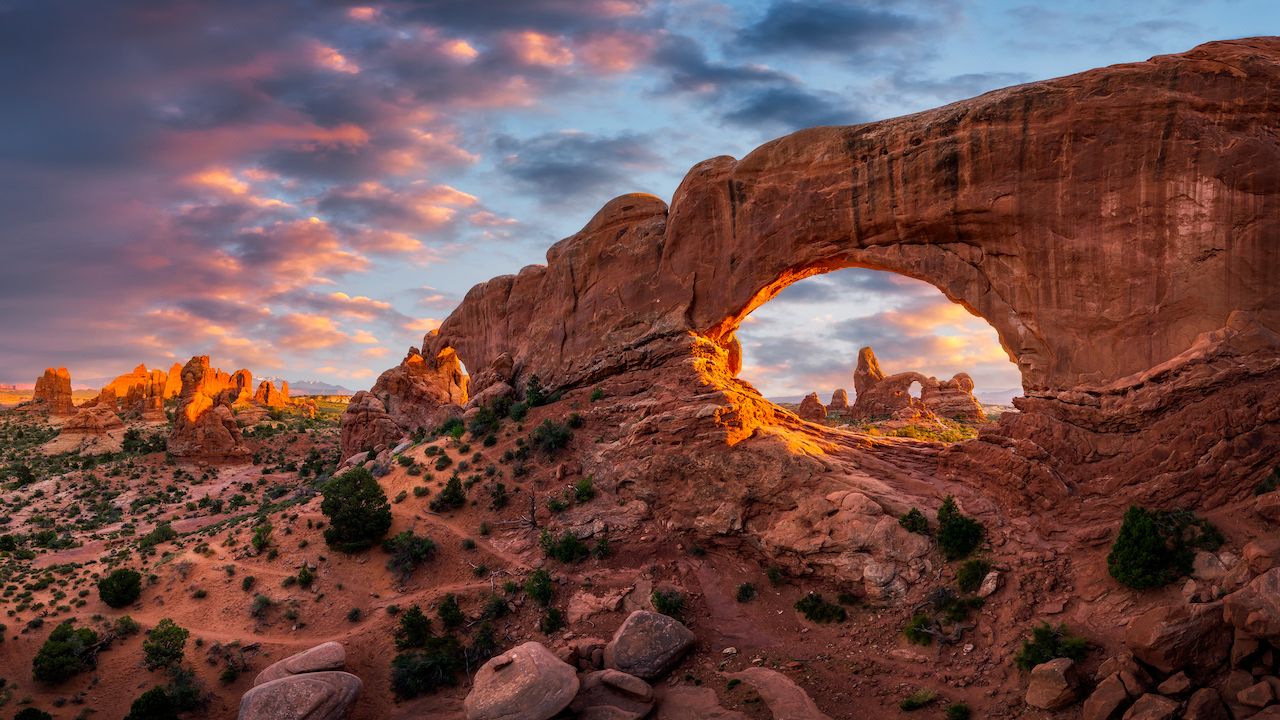
The current drought conditions have exacerbated the risk. Fire management experts note that the primary goal for the coming week is to prevent any new ignitions while crews continue to build containment lines around existing threats.
Looking Ahead: Monitoring and Mitigation
The immediate outlook for the region remains volatile. Fire suppression agencies expect that the current weather pattern will persist through the holiday weekend, necessitating continued vigilance from the public. Official updates regarding fire perimeters, containment percentages, and updated evacuation zones are provided daily by the InciWeb incident information system.
As the peak of the wildfire season approaches, state and federal agencies are coordinating to ensure that resources are prepositioned in the highest-risk areas. Residents are advised to maintain “defensible space” around their properties—clearing dry brush and combustible materials—and to follow all local ordinances regarding open flames and fireworks. Further updates on the state of emergency will be released as conditions change. Readers are encouraged to share this information to ensure community compliance with safety bans, and to leave questions regarding local restrictions in the comments section below.