Escalating Tensions: U.S. And Israel Launch Strikes Against Iran, Trump Calls for Regime Change
Sofia, Bulgaria – The Middle East is on the brink of a wider conflict following a significant escalation in tensions between the United States, Israel, and Iran. On Saturday, February 28, 2026, U.S. President Donald Trump announced the commencement of “major combat operations” against the Islamic Republic of Iran, issuing a stark ultimatum to Iranian military forces to lay down their arms. The move, coordinated with Israel, has triggered a series of retaliatory strikes and counter-strikes, plunging the region into a state of heightened alert and uncertainty. This dramatic turn of events follows months of simmering tensions over Iran’s nuclear program and regional influence, and represents a significant gamble with potentially far-reaching consequences.
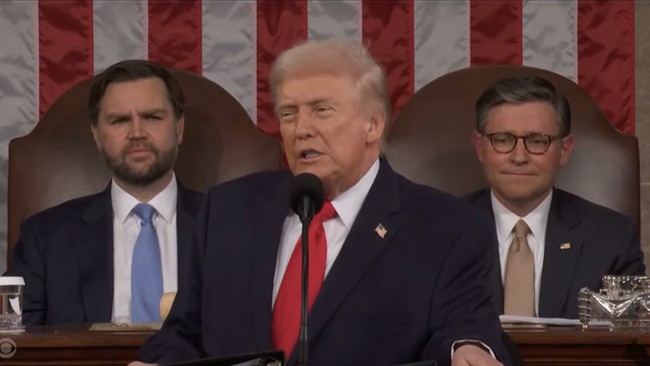
In a televised address, President Trump directly warned the Islamic Revolutionary Guard Corps (IRGC) – an elite military force under the direct command of Iran’s Supreme Leader – and all branches of the Iranian armed forces and police. According to reports from CBC News, Trump stated, “Lay down your weapons and receive full immunity, or face certain death.” Simultaneously, Trump appealed directly to the Iranian populace, urging them to overthrow the Islamic Republic, which has been in power since the 1979 revolution. “Your time of freedom is near,” Trump declared. “After our operation is complete, take back your government. That government will be yours. This may be the only opportunity you have for generations to arrive.” This call for regime change marks a significant shift in U.S. Policy towards Iran, moving beyond containment to actively seeking a change in leadership.
Immediate Response: Strikes and Counter-Strikes
The President’s announcement was swiftly followed by coordinated air and missile strikes targeting military facilities and strategic infrastructure across Iran. The United States, working in concert with Israeli forces, initiated the attacks, with initial reports indicating targets in Tehran, Isfahan, and Shiraz. Witnesses in Tehran reported seeing large plumes of black smoke rising near military installations, as Iranian air defenses attempted to intercept incoming projectiles. According to CNN reporting, missiles were as well intercepted over Tel Aviv, Bahrain, Qatar, the United Arab Emirates, Kuwait, and Jordan. Iran responded by launching approximately 300 ballistic missiles at U.S. Bases in the region, successfully striking inside Bahrain, home to the U.S. Fifth Fleet. Air defenses reportedly intercepted missiles aimed at Qatar, the UAE, Kuwait, and Israel. The Atlantic reports that the fate of this war, and the future of Iran, now rests with both the regime and the Iranian people.
The strikes represent a significant escalation from previous U.S. Actions against Iran. The last U.S. Strikes on Iran, in June 2025, were aimed at curtailing Iran’s nuclear ambitions. This time, Trump has explicitly stated his desire for a change in Iran’s leadership, alongside the elimination of its nuclear and ballistic-missile development programs. This broader objective raises concerns about the potential for a protracted and destabilizing conflict. The decision to pursue this course of action without congressional approval has also drawn criticism, with limited appetite among Trump’s base for another U.S. Regime-change operation in the Middle East, and several regional allies having discouraged new strikes, fearing a broader conflict.
The Death of the Supreme Leader?
Adding to the gravity of the situation, reports emerged indicating the death of Iran’s Supreme Leader, Ayatollah Ali Khamenei. The New York Times reported that President Trump announced the Supreme Leader’s death following the day’s military strikes. However, independent confirmation of this claim remains elusive. Even as initial reports suggested Khamenei was among those targeted in the initial strikes, there has been no official confirmation from Iranian state media. The uncertainty surrounding Khamenei’s fate adds another layer of complexity to an already volatile situation, potentially creating a power vacuum within the Iranian government and further fueling instability.
International Reactions and Concerns
The international community has reacted with a mix of concern and calls for de-escalation. While some allies have expressed support for the U.S. And Israel’s right to defend themselves, many have urged restraint and a return to diplomatic solutions. The potential for a wider regional conflict, involving other actors such as Saudi Arabia, Hezbollah, and Yemen’s Houthi rebels, is a major concern. The impact of the conflict on global oil supplies is also a significant worry, with oil prices already experiencing a sharp increase following the initial strikes. The United Nations Security Council is expected to convene an emergency session to discuss the crisis, but the prospects for a unified response remain uncertain given the deep divisions among its members.
What Happens Next?
The immediate future remains highly uncertain. The extent of the damage inflicted by the strikes, the Iranian response, and the potential for further escalation will all play a crucial role in shaping the trajectory of the conflict. The success of Trump’s call for regime change hinges on the willingness of the Iranian people to rise up against the government, a scenario that is far from guaranteed. The coming days and weeks will be critical in determining whether this conflict can be contained or whether it will spiral into a wider regional war. As of this writing, the situation in Iran remains tense, with reports of ongoing clashes and a heavy military presence in major cities. The world watches anxiously as the crisis unfolds, hoping for a swift and peaceful resolution.
The next official update is expected from the U.S. Department of Defense during a press briefing scheduled for Monday, March 2, 2026. Readers are encouraged to share their thoughts and perspectives on this developing situation in the comments section below. Please also share this article with your networks to support raise awareness of this critical global event.
Worth a look
- USS Fort Worth Retires After 14 Years and Imperial County Pet Adoption News
- Malaysia Considers Easing Rare Earth Export Curbs to Meet Global Demand
- Israel Raises Security Concerns Over Trump-Brokered Hamas Disarmament Deal (time.news)
- Vozinha Arrives in Chile to Join Colo-Colo Following Massive Fan Welcome (archyworldys.com)