The United States may be approaching a definitive geopolitical crossroads, facing what some analysts describe as a “Suez moment”—a crisis of prestige and power that could fundamentally alter the global hierarchy. As the conflict with Iran persists, the gap between the administration’s initial projections of a swift victory and the grinding reality on the ground has begun to raise questions about the sustainability of American military dominance in the Middle East.
For decades, the U.S. Has operated as the undisputed global hegemon, capable of projecting power across hemispheres to enforce its strategic will. However, the current engagement in Iran is revealing systemic vulnerabilities, not only in military hardware but in the very assumptions that have underpinned Western foreign policy since the end of the Cold War. The risk is no longer just a tactical stalemate, but a strategic decline that could accelerate the transition toward a multipolar world.
The term “Suez moment” refers to the 1956 Suez Crisis, when the United Kingdom and France attempted to seize the Suez Canal from Egypt. The subsequent failure of that intervention, driven largely by pressure from the United States, signaled the end of the British and French empires as top-tier global powers. Today, the U.S. Finds itself in a similar position: embroiled in a conflict where the costs are rising, the objectives are blurring, and the international community is watching for signs of fragility.
The Gap Between Rhetoric and Reality
In the early stages of the assault on Iran, the rhetoric from the White House and the Department of Defense was one of overwhelming confidence. Claims were made that the Iranian Navy had been effectively neutralized and that the stocks of missiles and drones utilized by the Iranian Revolutionary Guard Corps (IRGC) would be depleted within days. There was a widespread expectation that the removal of key members of the theocratic leadership would trigger a popular uprising, leading to a rapid collapse of the regime.
However, reports from the field indicate a different trajectory. The Iranian leadership has proven more resilient than anticipated, quickly replacing fallen officials and maintaining a grip on internal security. More importantly, the anticipated domestic revolt has failed to materialize on a scale that would impact the war’s outcome. Instead of a quick surrender, the U.S. And its allies are facing a determined adversary that has managed to survive significant damage and high casualty counts.
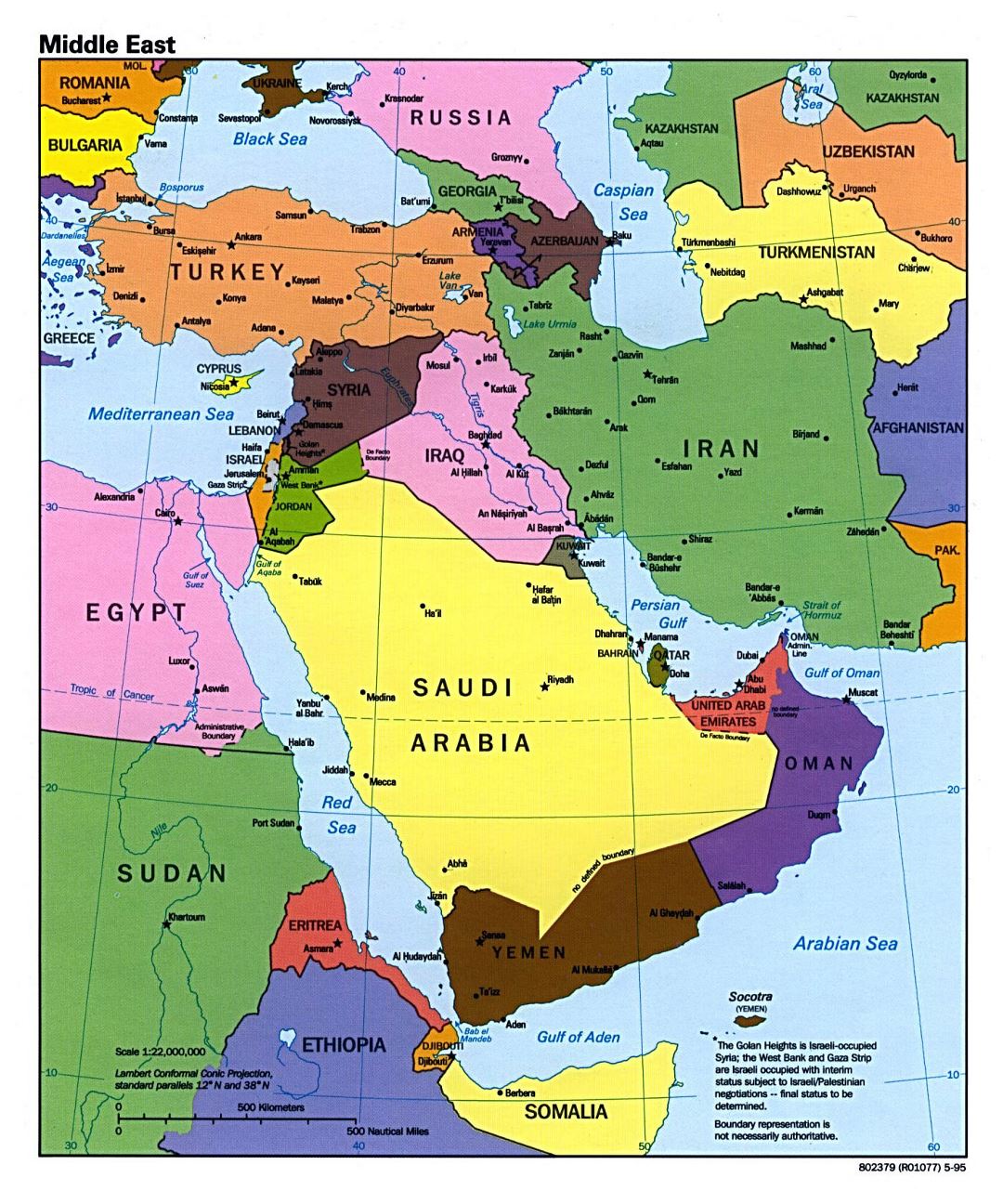
The Islamic Revolutionary Guard Corps (IRGC), in particular, has confounded Western intelligence. While prestige sites were targeted, the IRGC focused on “the eyes and ears” of the coalition. This strategy involved striking early warning radars and surveillance infrastructure not only within Israel but across several Gulf states, including Saudi Arabia, Qatar, the UAE, and Oman. This approach sent a clear message to regional partners: hosting U.S. Bases carries a direct risk of becoming a target in Tehran’s eyes.
The Drone Era and the Pentagon’s Dilemma
One of the most significant revelations of this conflict is the vulnerability of high-cost defense systems to low-cost, asymmetric warfare. The Pentagon is currently grappling with a hard lesson: traditional air defense networks, designed to intercept sophisticated aircraft and ballistic missiles, are often inefficient against swarms of cheap, armed drones.
The conflict has highlighted a shift in modern warfare that is also being observed in the Russia-Ukraine war. The ability to produce drones in small, decentralized workshops—essentially “back-street” manufacturing—allows an adversary to maintain a steady supply of munitions even under heavy bombardment. This decentralization makes it nearly impossible to “destroy” a drone fleet through traditional airstrikes.
In response, the U.S. Military is reportedly rushing to deploy new satellite-based detection systems. The realization is that the “drone era” requires a total overhaul of how the U.S. Monitors and defends distant theaters of operation. If the U.S. Cannot secure its own assets against inexpensive technology, the cost of maintaining a global military presence becomes prohibitively expensive and strategically untenable.
A Shifting World Order
The implications of a failed or prolonged war in Iran extend far beyond the borders of the Middle East. Unlike the interventions in Afghanistan or Iraq, which initially enjoyed significant domestic support in the wake of the September 11 attacks, the current conflict has faced a steeper climb in public approval. As the war drags on, increasing opposition at home and deepening unpopularity abroad are creating a vacuum of leadership.
Observers suggest that if the U.S. Is unable to achieve a clear victory or a graceful exit, the world may see a rapid erosion of American reputation. This decline would likely benefit other emerging power centers, most notably China, and potentially a revitalized European bloc. The loss of prestige associated with a “Suez moment” is not just about losing a war; It’s about losing the perception of invincibility that keeps allies aligned and adversaries cautious.
the economic fallout is becoming tangible. The instability in the region, particularly around the Strait of Hormuz, has contributed to rising global inflation and early signs of resource shortages. Because the global economy is so deeply integrated, a failure in the Middle East triggers shocks in energy prices and supply chains that affect consumers from Southeast Asia to South America.
The Economic Stakes: Beyond Geopolitics
There is a broader, more systemic risk at play. The current global economic model, characterized by neoliberal market fundamentalism, has seen an unprecedented concentration of wealth. Political and economic power is increasingly held by a small number of ultra-wealthy individuals whose resources can rival those of some sovereign states.
Some theorists argue that a weakening of U.S. Global dominance could provide a window of opportunity to restructure this economic system toward something more equitable. However, this is countered by the reality that the global elite—regardless of nationality—have a vested interest in maintaining the current model. Through the funding of think tanks and influence over media narratives, these interests likely work to ensure that any shift in geopolitical power does not translate into a shift in economic power.
The Path Toward a Resolution
Currently, the most promising sign of a potential wind-down is the reported ceasefire in Lebanon. This development is seen by many as a result of intense U.S. Pressure on Israel to stabilize the northern front. For the Trump administration, a ceasefire in Lebanon could serve as a strategic stepping stone, allowing the U.S. To manage the conflict in Iran more carefully and potentially declare a victory of “stability” before withdrawing forces.
If such a diplomatic exit is not found, the alternative is a war of attrition that the U.S. May not be equipped to win—not because of a lack of firepower, but because of a lack of political will and strategic flexibility. The decision to end the conflict must now come either from a shift in internal U.S. Policy or from a level of global antagonism that makes continued dominance impossible.
The outcome of this crisis will likely define the international order for the next several decades. Whether the U.S. Can pivot away from the brink or whether it will succumb to its own “Suez moment” remains the central question of current global affairs.
Next Checkpoint: The international community is awaiting the next official update on the durability of the Lebanese ceasefire and any formal diplomatic overtures between Washington and Tehran regarding a permanent cessation of hostilities.
Do you believe the U.S. Can avoid a “Suez moment” in the Middle East, or is a shift toward a multipolar world inevitable? Share your thoughts in the comments below.
- How Ukraine War Redrew the Global Energy Map and Eroded Russia’s Trust
- Paris Elegance, Milan Drama, New York Speed Unite on Seoul Stage
- Trump Slams Iran’s Duplicity and Warns Blockade Will Remain Amid Stalled Talks (world-today-news.com)
- Why Massachusetts Catholics Must Lead the Call for Change (news-usa.today)