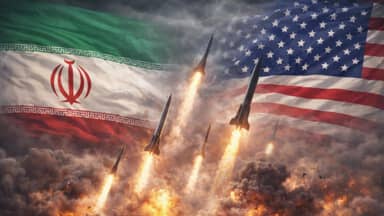
US-Israel Coordination on Iran: A Potential First Strike and Retaliation Framework
The evolving geopolitical landscape surrounding Iran is marked by increasing tensions and a complex web of strategic alliances. Recent reports suggest a heightened level of coordination between the United States and Israel regarding potential military responses to Iranian actions, including a framework where the US could undertake an initial strike, with Israel authorized to respond forcefully to any subsequent Iranian retaliation. This development comes amid ongoing concerns over Iran’s nuclear program and regional influence, and follows a period of escalating rhetoric and military posturing.
The potential for military action has been a recurring theme in US-Israel relations for decades, but the current situation appears to be characterized by a more defined, albeit sensitive, understanding of roles and responsibilities. While details remain closely guarded, the reported agreement reflects a shared assessment of the threat posed by Iran, coupled with differing perspectives on the optimal approach to managing that threat. The situation is further complicated by ongoing diplomatic efforts to revive the 2015 Joint Comprehensive Plan of Action (JCPOA), commonly known as the Iran nuclear deal, which aimed to curb Iran’s nuclear ambitions in exchange for sanctions relief.
Escalating Tensions and Israeli Preparations
Israel has consistently voiced strong opposition to the JCPOA, arguing that it does not adequately address Iran’s ballistic missile program or its support for regional proxies. Prime Minister Benjamin Netanyahu has repeatedly stated Israel’s commitment to preventing Iran from acquiring nuclear weapons, even if it requires unilateral action. In February 2026, Netanyahu indicated he had clarified to US President Donald Trump the principles Israel believes should guide negotiations with Iran. He stated, “We are prepared for all scenarios and there is one thing certain, if the Iranian regime errs and attacks us, they will receive a response they cannot imagine.”
Recent reports indicate Israel is actively preparing for a potential Iranian attack. According to the Israeli Broadcasting Corporation, security sources have confirmed Israel is preparing for various scenarios, including a direct Iranian assault. This preparation includes bolstering air defenses and conducting military exercises. A clandestine flight by a US special operations unit landed at Ben Gurion Airport in Tel Aviv on Thursday, February 19, 2026, further signaling increased US military involvement in the region. This suggests a heightened level of intelligence sharing and logistical coordination between the two allies.
US Perspective and Diplomatic Efforts
The United States, under President Trump, has adopted a more hawkish stance towards Iran since withdrawing from the JCPOA in 2018. The US has reimposed stringent economic sanctions on Iran and has engaged in a campaign of “maximum pressure” aimed at forcing Iran to renegotiate a more comprehensive agreement. However, despite the tough rhetoric, the US has as well expressed a willingness to engage in diplomatic talks with Iran, albeit indirectly through intermediaries. The second round of these talks took place on February 17, 2026, in Geneva.
The reported agreement regarding a potential “first strike” by the US appears to be a reflection of the Trump administration’s desire to maintain control over the situation and prevent Israel from taking unilateral action that could escalate the conflict. Former US Ambassador to Washington, Michael Herzog, brother of Israeli President Isaac Herzog, has suggested that President Trump is hesitant regarding Iran, fearing a loss of control over a potential war. This hesitancy, according to Herzog, stems from concerns about the unpredictable consequences of a military confrontation with Iran.
Iran’s Response and Regional Implications
Iran has consistently maintained that its nuclear program is for peaceful purposes and has denied seeking to develop nuclear weapons. However, international concerns remain about Iran’s uranium enrichment activities and its ballistic missile program. In response to the escalating tensions, Iran has reportedly presented a new proposal to Washington, the details of which remain largely undisclosed. According to CBS News, this proposal involves concessions from Iran in exchange for sanctions relief.
The potential for a US-led strike against Iran, followed by an Israeli response to any Iranian retaliation, carries significant risks for regional stability. A military confrontation could draw in other regional actors, such as Hezbollah in Lebanon and Houthi rebels in Yemen, both of whom are backed by Iran. This could lead to a wider regional conflict with devastating consequences. Any military action against Iran could disrupt global oil supplies, leading to economic instability.
Differing Strategies and the JCPOA
While both the US and Israel share the goal of preventing Iran from becoming a nuclear power and limiting its regional influence, their approaches differ significantly. The US, while maintaining a hard line on Iran’s nuclear program, appears to be open to a diplomatic solution, albeit one that addresses its concerns about the scope and duration of any agreement. Israel, remains skeptical of diplomacy and favors a more assertive approach, including the possibility of military action.
In June 2025, Israel launched an attack on Iran, with the United States subsequently targeting Iranian nuclear facilities, demonstrating a previous instance of coordinated action. This history underscores the potential for further military cooperation between the two countries. However, the current situation is nuanced by the ongoing diplomatic efforts and the potential for a negotiated settlement. Israel is reportedly pressing Washington to include Iran’s missile program in any potential agreement, a demand that Iran is likely to resist.
The Role of Diplomacy and Future Prospects
The current situation highlights the delicate balance between diplomacy and military deterrence in managing the Iranian issue. While the reported agreement between the US and Israel regarding a potential “first strike” may be intended to deter Iran from taking provocative actions, it also carries the risk of escalating tensions and triggering a wider conflict. The success of ongoing diplomatic efforts to revive the JCPOA will be crucial in de-escalating the situation and preventing a military confrontation.
The path forward remains uncertain. The willingness of all parties to engage in good-faith negotiations and to compromise on their respective demands will be essential in achieving a lasting solution. The international community must also play a role in promoting dialogue and preventing further escalation. The stakes are high, and the consequences of failure could be catastrophic.
As of February 23, 2026, the situation remains fluid and subject to change. Further developments are expected in the coming weeks as diplomatic efforts continue and as the US and Israel assess Iran’s response to their coordinated approach. The world will be watching closely to see whether a peaceful resolution can be found or whether the region is on the brink of another conflict.
Key Takeaways:
- The US and Israel have reportedly reached an understanding where the US would conduct a first strike against Iran, with Israel authorized to retaliate against any Iranian response.
- Israel is actively preparing for a potential Iranian attack, bolstering its defenses and conducting military exercises.
- The US maintains a policy of “maximum pressure” on Iran while also pursuing indirect diplomatic talks.
- Iran has presented a new proposal to Washington, the details of which remain largely undisclosed.
- The situation carries significant risks for regional stability and could lead to a wider conflict.
Stay informed about the evolving situation in the Middle East. For official updates and further information, refer to the websites of the US State Department (https://www.state.gov/) and the Israeli Prime Minister’s Office (https://www.pmo.gov.il/en/). We encourage readers to share their thoughts and perspectives in the comments section below.
Worth a look
- Romania Blasts Danube Rocks to Restore Cooling Water for Cernavodǎ Reactor
- The Crisis of the International Criminal Court: US Attacks, Netanyahu, and the Global Order
- Odesa Attack: 13 Injured as Russian Strike Hits Transport Infrastructure (time.news)
- WestJet reaches tentative deal with flight attendants after strike (archyde.com)