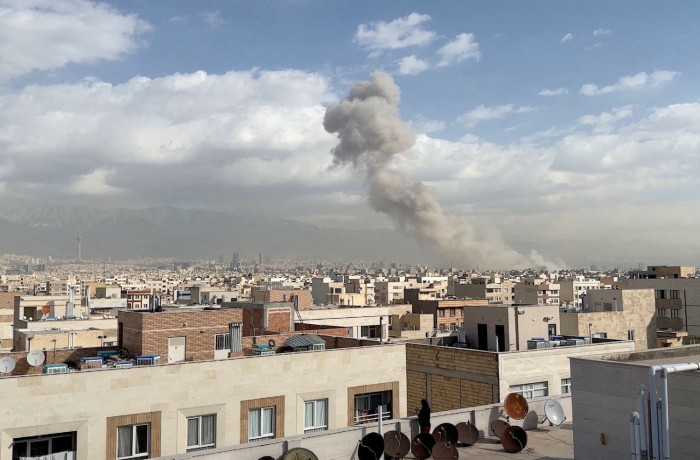
Sofia, Bulgaria – A coordinated military operation launched by the United States and Israel against targets within Iran unfolded on Saturday, February 28, 2026, escalating tensions in the Middle East and prompting a strong response from Tehran. The attacks, following weeks of heightened rhetoric and failed diplomatic efforts, targeted sites across Iran, including areas near the capital, Tehran, and prompted President Donald Trump to call for regime change within the country. The situation remains highly volatile as Iran has launched retaliatory strikes toward Israel and US targets across the Middle East, sparking widespread concern and prompting international responses.
The strikes commenced in the early morning hours, coinciding with the start of the Iranian workweek, and were confirmed by officials in both the US and Israel. Initial reports indicate that the attacks focused on infrastructure linked to Iran’s military and government, with early strikes reportedly occurring near the offices of Supreme Leader Ayatollah Ali Khamenei. President Trump, in a video statement released via social media, framed the operation as a defensive measure, stating the objective was to “defend the American people by eliminating imminent threats from the Iranian regime.” He also directly addressed the Iranian population, urging them to “take over your government,” a statement that has drawn both support and criticism internationally.
Escalation Following Failed Negotiations
The military action follows a period of escalating tensions between the US and Iran, rooted in disagreements over Iran’s nuclear program and its regional influence. Recent weeks have seen a significant build-up of US military forces in the Middle East, described as the largest American deployment in decades. These preparations coincided with increasingly assertive statements from President Trump, who had threatened military action if Iran did not comply with his demands. A last-ditch effort to resolve the impasse through mediated talks in Switzerland on Thursday ended without a breakthrough, paving the way for the current military operation. Both US and Iranian officials indicated plans to reconvene in Vienna next week, though the prospects for a diplomatic resolution appear increasingly uncertain given the current circumstances.
According to reports from the Associated Press, smoke was visible rising from various locations in Tehran following the initial strikes. Explosions were also reported in other Iranian cities, including Isfahan and Karaj, as confirmed by the semi-official Fars news agency. In response to the attacks, Israel declared a state of emergency, closing its airspace and activating air raid sirens throughout the country, anticipating potential retaliatory attacks. The US is reportedly planning for “several days of attacks,” according to sources cited by CNN, suggesting a sustained military campaign is underway.
Iranian Retaliation and Regional Impact
Iran has swiftly responded to the attacks, launching what has been described as an “unprecedented wave of retaliatory strikes” toward Israel and US targets across the Middle East, as reported by CNN. Explosions have been reported in the United Arab Emirates, Bahrain, and Qatar, with all flights suspended in Dubai. Iranian state media claims that US military facilities in Qatar, Kuwait, the UAE, Bahrain, and Jordan have been targeted, as well as a US base in northern Iraq. The Islamic Revolutionary Guard Corps (IRGC) claimed responsibility for launching “dozens” of ballistic missiles towards Israel, according to Nour News.
The immediate impact of these retaliatory strikes is still unfolding, but the widespread nature of the attacks indicates a significant escalation of the conflict. The disruption to air travel in the region is already causing logistical challenges, and the potential for further escalation raises concerns about a wider regional war. International reactions have been mixed, with some US allies expressing concern and some Arab nations condemning Iran’s retaliation. The situation is further complicated by the ongoing conflicts and political instability in several countries throughout the Middle East.
Trump’s Call for Regime Change Sparks Controversy
President Trump’s direct appeal to the Iranian people to “take over your government” has drawn criticism from some quarters, who argue that it represents an unwarranted intervention in Iran’s internal affairs. However, the administration defends the statement as a legitimate expression of support for the Iranian people, who they claim are oppressed by the current regime. The call for regime change echoes similar rhetoric used by the Trump administration in the past, particularly in relation to Venezuela and Cuba. The long-term implications of this call remain to be seen, but We see likely to further inflame tensions and complicate efforts to find a diplomatic solution.
The US justification for the attacks centers on concerns about Iran’s nuclear program and its alleged support for terrorist groups in the region. While Iran maintains that its nuclear program is for peaceful purposes, the US and its allies have long accused Iran of seeking to develop nuclear weapons. The recent attacks are intended, according to US officials, to degrade Iran’s nuclear capabilities and deter further proliferation. However, previous attempts to dismantle Iran’s nuclear program, such as the strikes in June, have had limited success, and experts caution that a military solution may not be feasible.
International Response and Future Outlook
The international community is reacting to the escalating conflict with a mix of concern and calls for restraint. The United Nations Security Council is expected to convene an emergency session to discuss the situation, but the prospects for a unified response are uncertain given the divisions among its members. Several European countries have urged de-escalation and a return to diplomatic negotiations, while others have expressed support for the US and Israel’s right to defend themselves. The Arab League has condemned Iran’s retaliatory strikes and called for an immediate ceasefire.
The current crisis represents a significant turning point in the relationship between the US and Iran, and its long-term consequences are difficult to predict. The potential for a wider regional war remains a serious concern, and the humanitarian impact of the conflict could be devastating. The future of Iran’s nuclear program is also uncertain, and the possibility of Iran developing nuclear weapons has increased. The coming days and weeks will be critical in determining whether the situation can be de-escalated and a diplomatic solution can be found, or whether the region is headed for a prolonged and bloody conflict.
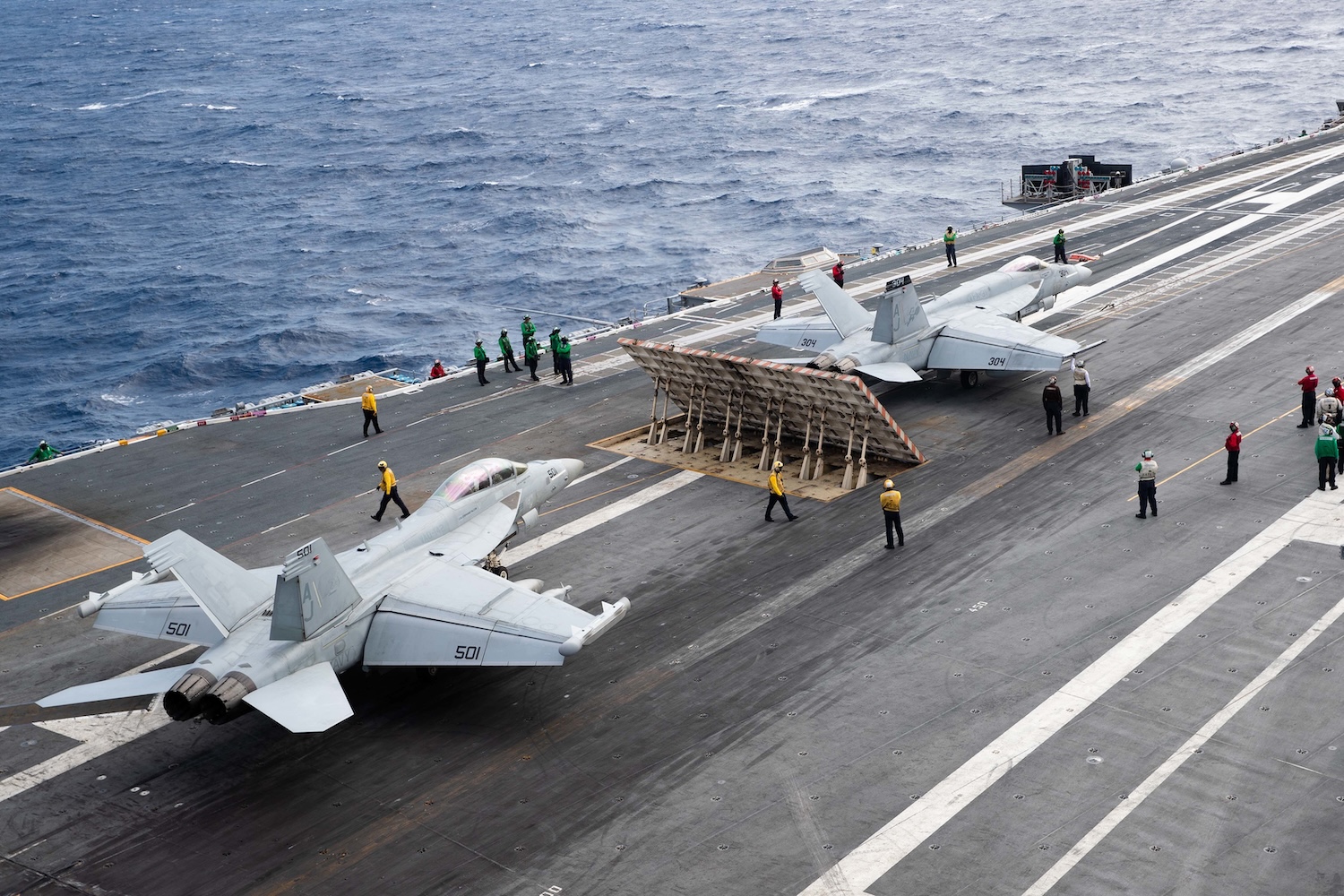
The situation remains fluid, and further developments are expected in the coming hours and days. The US State Department has issued a travel advisory for the region, urging American citizens to avoid travel to Iran and to exercise increased caution in other countries in the Middle East. The State Department’s travel advisory website provides the latest information and guidance for travelers. The next key event to watch will be the emergency session of the UN Security Council, scheduled for Monday, March 2, 2026, where international diplomats will attempt to forge a path towards de-escalation.
This is a developing story and will be updated as more information becomes available.
What are your thoughts on the escalating tensions in the Middle East? Share your perspectives in the comments below, and please share this article with your networks to keep others informed.
Keep reading