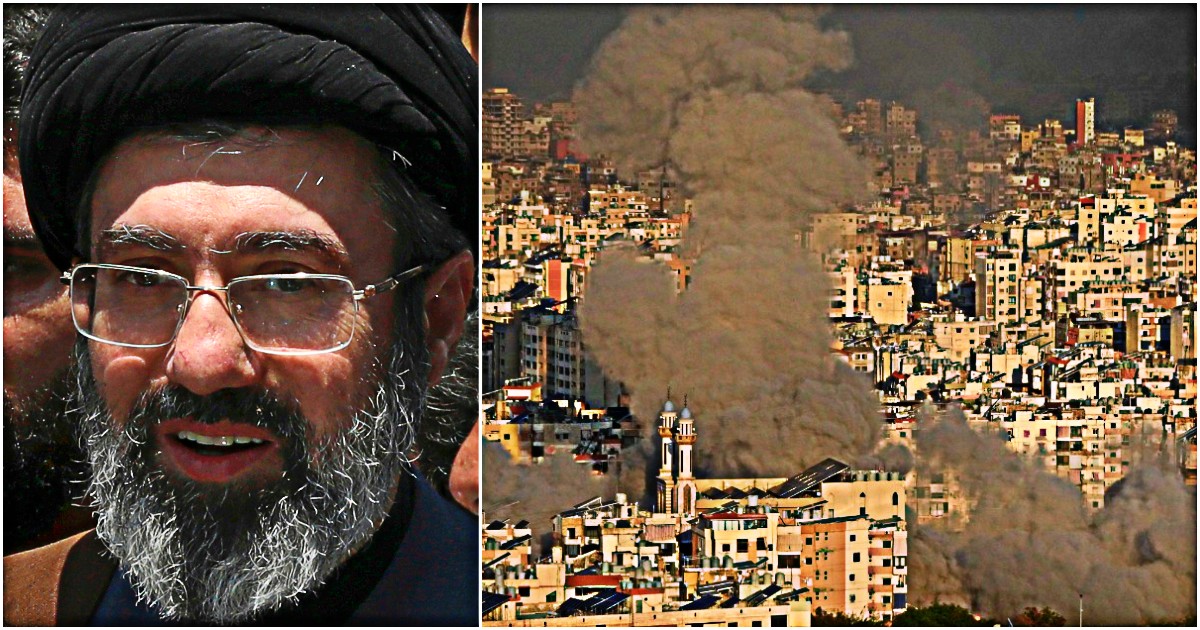
Lisbon, Portugal – The Middle East is bracing for a potentially protracted conflict following coordinated strikes by the United States and Israel against targets within Iran. While initial reports suggested a broader declaration of war, the situation remains fluid and highly volatile, with escalating retaliatory actions and growing international concern. The attacks, which began on Saturday, February 28th, targeted military, intelligence, and governmental sites across Iran, prompting a swift response from Tehran.
The offensive, described by former U.S. President Donald Trump as “important combat operations,” appears aimed at curbing Iran’s nuclear ambitions and regional influence. Trump, speaking publicly, accused Iran of developing missiles capable of reaching Europe and called on the Iranian people to “take control of their country.” Initial planning for the attacks reportedly occurred a week prior, but was delayed due to operational and intelligence considerations. The current escalation represents a significant shift in the long-standing tensions between Iran and the West, raising fears of a wider regional war.
Initial Strikes and Iranian Response
According to Iranian media reports, attacks have been widespread, impacting sites throughout the country. Streets leading to the residence of Supreme Leader Ali Khamenei in Tehran were closed by authorities, and explosions were reported in the capital. Reports indicate that Khamenei himself was moved to a secure location prior to the attacks, a precaution seemingly taken based on intelligence gathered during a previous period of heightened tensions in June. The Iranian government has yet to release a comprehensive assessment of the damage, but initial indications suggest significant disruption to infrastructure, including power outages in Tehran.
Iran responded to the strikes with missile and drone attacks targeting Israeli territory and U.S. Military bases in the Gulf region. The scale of the Iranian counteroffensive underscores the seriousness of the situation and the potential for further escalation. The attacks have prompted heightened alert levels across the region, with countries bracing for potential spillover effects.
International Reactions and Regional Implications
The international community has reacted with a mix of concern and calls for de-escalation. France, Germany, and the United Kingdom issued a joint statement condemning Iran’s attacks and signaling their readiness to “adopt measures” to defend their interests and those of their allies. French President Emmanuel Macron has reportedly ordered an increase in the number of nuclear warheads, a move that reflects the growing sense of insecurity in Europe. This decision has raised eyebrows and sparked debate about the potential for nuclear proliferation.
The conflict is already having a ripple effect on global markets. European stock exchanges have experienced significant declines, particularly in the airline sector. Meanwhile, the prices of oil and gas have surged, reflecting concerns about potential disruptions to supply. The base military britannica di Akrotiri a Cipro was attacked by drones launched by pro-Iranian militias operating in Lebanon, though no casualties were reported. Further complicating matters, three U.S. F-15 fighter jets were reportedly shot down by friendly fire in Kuwait, with all six pilots safely ejecting. Four U.S. Casualties have been reported thus far in the operation. Greece has dispatched two frigates to assist in the defense of Cyprus after two Iranian drones were intercepted targeting the British base there.
Escalation in Lebanon and Beyond
The conflict is not limited to Iran and Israel. Israeli offensives are as well underway in Lebanon, further destabilizing the region. The potential for Hezbollah, a powerful Iranian-backed militant group, to become more directly involved in the conflict is a major concern. The situation in Lebanon is particularly precarious, given the country’s existing political and economic challenges.
The United States and Israel have reportedly unleashed a substantial amount of ordnance on Iran, with Israel dropping over 2,300 munitions and the U.S. Contributing 1,500 in the last 48 hours. This intense bombardment has created what military sources are calling a “fire belt” around key Iranian targets. The extent of the damage and the long-term consequences of these strikes remain to be seen.
The Nuclear Question and Diplomatic Efforts
At the heart of the conflict lies the issue of Iran’s nuclear program. Western powers have long accused Iran of seeking to develop nuclear weapons, a claim that Tehran denies. The U.S. Withdrawal from the Joint Comprehensive Plan of Action (JCPOA), commonly known as the Iran nuclear deal, in 2018, and the subsequent reimposition of sanctions, have exacerbated tensions and led to a resurgence in Iran’s nuclear activities. Trump had initially sought a diplomatic solution, but ultimately opted for military action after negotiations stalled.
According to reports, Iran had indicated a willingness to limit its stockpile of enriched uranium, but rejected other demands from Washington, including the complete abandonment of enrichment, limitations on the range of its ballistic missiles, and an end to its support for regional allies such as Hamas, Hezbollah, and the Houthis. The failure to reach a compromise on these issues ultimately paved the way for the current military confrontation.
Limited International Intervention
European nations have largely maintained a cautious stance, emphasizing that the conflict primarily concerns the United States, Israel, and Iran. There is little appetite for direct military intervention from the European Union or NATO. The only potential ally for Tehran that could offer substantial support is North Korea, with which Iran has a history of collaboration in the field of missile technology.
What Happens Next?
The situation remains highly unpredictable. Iran has announced the appointment of a new Supreme Leader, expected within the next 1-2 days, signaling a continuation of the hardline policies that have characterized the regime. The coming days will be critical in determining whether the conflict can be contained or whether it will escalate into a wider regional war. The potential for miscalculation and unintended consequences is high.
The immediate focus will be on monitoring Iran’s response to the attacks and assessing the extent of the damage. Diplomatic efforts to de-escalate the situation are likely to intensify, but the prospects for a quick resolution appear slim. The international community will be closely watching to see whether the conflict can be contained or whether it will spiral out of control.
The next key development to watch for is the confirmation of the new Supreme Leader of Iran and their initial statements regarding the ongoing conflict. Further updates will be provided as they become available.
What are your thoughts on the escalating tensions in the Middle East? Share your comments below and join the conversation. Don’t forget to share this article with your network to keep others informed.
Keep reading