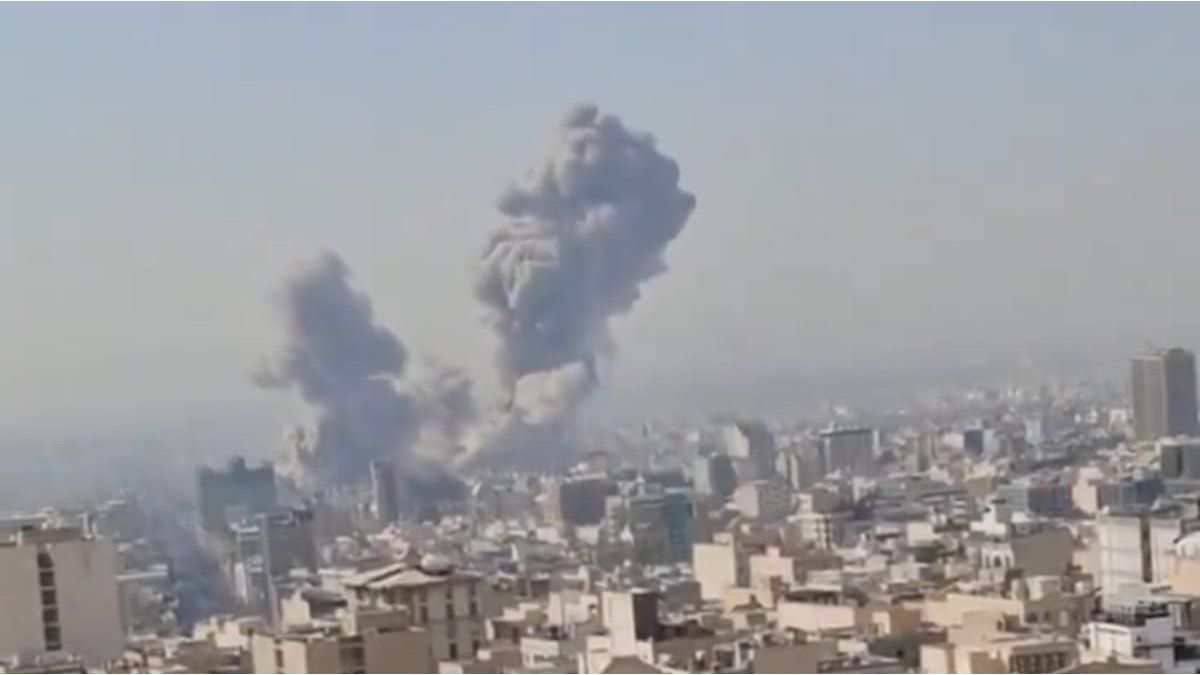
Sofia, Bulgaria – The escalating conflict between the United States, Israel, and Iran has entered a volatile new phase, marked by a reported $200 billion request to the U.S. Congress for funding the ongoing war effort. This development comes amidst growing tensions and a complex geopolitical landscape following coordinated attacks by the U.S. And Israel that resulted in the deaths of high-ranking Iranian officials, including Ayatollah Ali Jamenei, Iran’s supreme leader. The situation is further complicated by emerging reports of disagreements between Washington and Jerusalem regarding operational strategies, raising questions about the future trajectory of the conflict.
The recent escalation, which began with the coordinated strikes against Iran, has triggered a furious response from Tehran, expanding the dispute into a wider regional war. According to reports from the Associated Press, the U.S. President Donald Trump anticipates the campaign could last several weeks. Allied nations are reportedly preparing to assist in countering Iranian missile and drone attacks, while the Lebanese Hezbollah group has claimed responsibility for attacks against Israel, prompting retaliatory fire. Tragically, the conflict has already claimed lives, with confirmed casualties among U.S. Military personnel, as well as in Israel and Arab Gulf nations. Iranian officials have stated that hundreds have died within their borders.
The $200 Billion Request and Congressional Scrutiny
The Pentagon’s request for $200 billion in supplemental funding signals the anticipated length and intensity of the U.S. Involvement in the conflict. This substantial sum is intended to cover a wide range of military expenses, including the cost of sustained operations, replenishing depleted stockpiles, and providing support to allies in the region. The request will now be subject to rigorous scrutiny by the U.S. Congress, where lawmakers will debate the necessity and scope of the funding. The political climate in Washington, coupled with concerns about the long-term implications of the war, suggests a potentially contentious debate. The funding request comes at a time when the U.S. National debt is already a significant concern for many legislators.
The timing of this request is particularly noteworthy, given the recent reports of friction between the U.S. And Israel. While both nations initially presented a united front in their response to perceived Iranian aggression, cracks have begun to appear in that alliance. Reports indicate that President Trump expressed surprise and disapproval regarding Israeli strikes on Iranian gas facilities, specifically the South Pars field. This disagreement highlights the differing strategic priorities and risk tolerances between the two allies.
Disagreements Emerge Between the U.S. And Israel
According to reports, President Trump publicly stated, via his Truth Social platform, that the U.S. Had no prior knowledge of the Israeli attacks on Iranian gas facilities. He further asserted that Israel had agreed to cease further attacks on South Pars, a critical energy asset for Iran. Trump issued a stark warning, stating that the U.S. Would “completely destroy” the South Pars facility if Iran were to attack Qatar, even without Israeli assistance. This strong rhetoric underscores the U.S. Commitment to protecting its allies and maintaining stability in the region, but also reveals a willingness to act independently if necessary.
The South Pars gas field is one of the world’s largest natural gas fields, located in the Persian Gulf. It is a vital source of revenue for Iran and plays a crucial role in the country’s economy. Any significant disruption to its operations would have severe economic consequences for Iran and could further escalate the conflict. The potential for attacks on critical infrastructure, such as South Pars, raises concerns about the broader impact of the war on regional energy markets and global economic stability.
Iran’s Response and Regional Implications
Iran has responded to the attacks with retaliatory strikes against Israel and has been accused of involvement in attacks in several countries, including Dubai, Doha, Bahrain, and Kuwait – all locations with U.S. Military bases or allies of the United States. This widening of the conflict underscores the risk of a broader regional war, potentially drawing in other actors and exacerbating existing tensions. The involvement of Hezbollah, a powerful Lebanese militant group backed by Iran, further complicates the situation. Hezbollah’s attacks against Israel represent a significant escalation and could lead to a more direct confrontation between Israel and the group.
The death of Ayatollah Ali Jamenei, Iran’s supreme leader, has created a leadership vacuum within the Islamic Republic. This is the first time Iran has had to select a new supreme leader since 1989. President Trump has urged Iranians to seize this moment and overthrow the theocratic regime, which has been accused of suppressing dissent and violating human rights. However, there are currently no indications of widespread protests or a movement to overthrow the government. The selection of a new supreme leader will be a critical moment for Iran, and the outcome could significantly shape the country’s future trajectory.
The Potential for Regime Change in Iran
The possibility of regime change in Iran is a central theme in the current conflict. The U.S. Administration appears to be actively pursuing this outcome, believing that a change in leadership could lead to a more moderate and stable Iran. However, achieving regime change is a complex and challenging undertaking, fraught with risks. A violent overthrow of the government could lead to widespread instability and further exacerbate the conflict. It could also empower extremist groups and create a power vacuum that could be exploited by regional rivals.
Analysts at the European Council on Foreign Relations (ECFR) suggest that the current situation represents an “existential test” for the Islamic Republic. The coordinated attacks by the U.S. And Israel, coupled with the death of Ayatollah Jamenei, have created a crisis of legitimacy for the regime. However, the outcome remains uncertain, and the Iranian government is likely to resist any attempts to overthrow it. The coming weeks and months will be crucial in determining the fate of the Iranian regime and the future of the region.
The Human Cost of the Conflict
Beyond the geopolitical implications, the conflict is taking a devastating toll on civilians. Reports indicate that military personnel from the U.S. And Israel have been killed, and casualties have also been confirmed in Arab Gulf nations. Iranian officials claim that hundreds have died within their borders, although these figures have not been independently verified. The ongoing violence is displacing communities, disrupting essential services, and creating a humanitarian crisis. The long-term consequences of the conflict on the region’s population will be significant and far-reaching.
The conflict is also exacerbating existing humanitarian challenges in the region. Millions of people are already in need of assistance due to ongoing conflicts and economic hardship. The current escalation is likely to worsen these conditions and create new vulnerabilities. International organizations are struggling to provide aid to those affected by the conflict, and access to affected areas is often limited due to security concerns.
Key Takeaways
- The U.S. Has requested $200 billion from Congress to fund the war in Iran, signaling a long-term commitment to the conflict.
- Disagreements have emerged between the U.S. And Israel regarding operational strategies, particularly concerning attacks on Iranian infrastructure.
- The death of Ayatollah Ali Jamenei has created a leadership vacuum in Iran, raising questions about the country’s future.
- The conflict is escalating and has the potential to draw in other regional actors, leading to a wider war.
- The human cost of the conflict is significant, with casualties reported in multiple countries and a growing humanitarian crisis.
As the conflict continues to unfold, the international community is closely monitoring the situation. The United Nations has called for de-escalation and a peaceful resolution to the crisis. However, with both sides seemingly determined to pursue their objectives, the prospects for a quick end to the war appear dim. The coming days and weeks will be critical in determining the future of the region and the fate of millions of people.
The next key development to watch will be the Congressional debate and vote on the $200 billion funding request. The outcome of this vote will provide a clear indication of the U.S. Commitment to the conflict and its willingness to pursue a long-term military engagement in the region. Readers are encouraged to share their thoughts and perspectives on this evolving situation in the comments below.
Keep reading