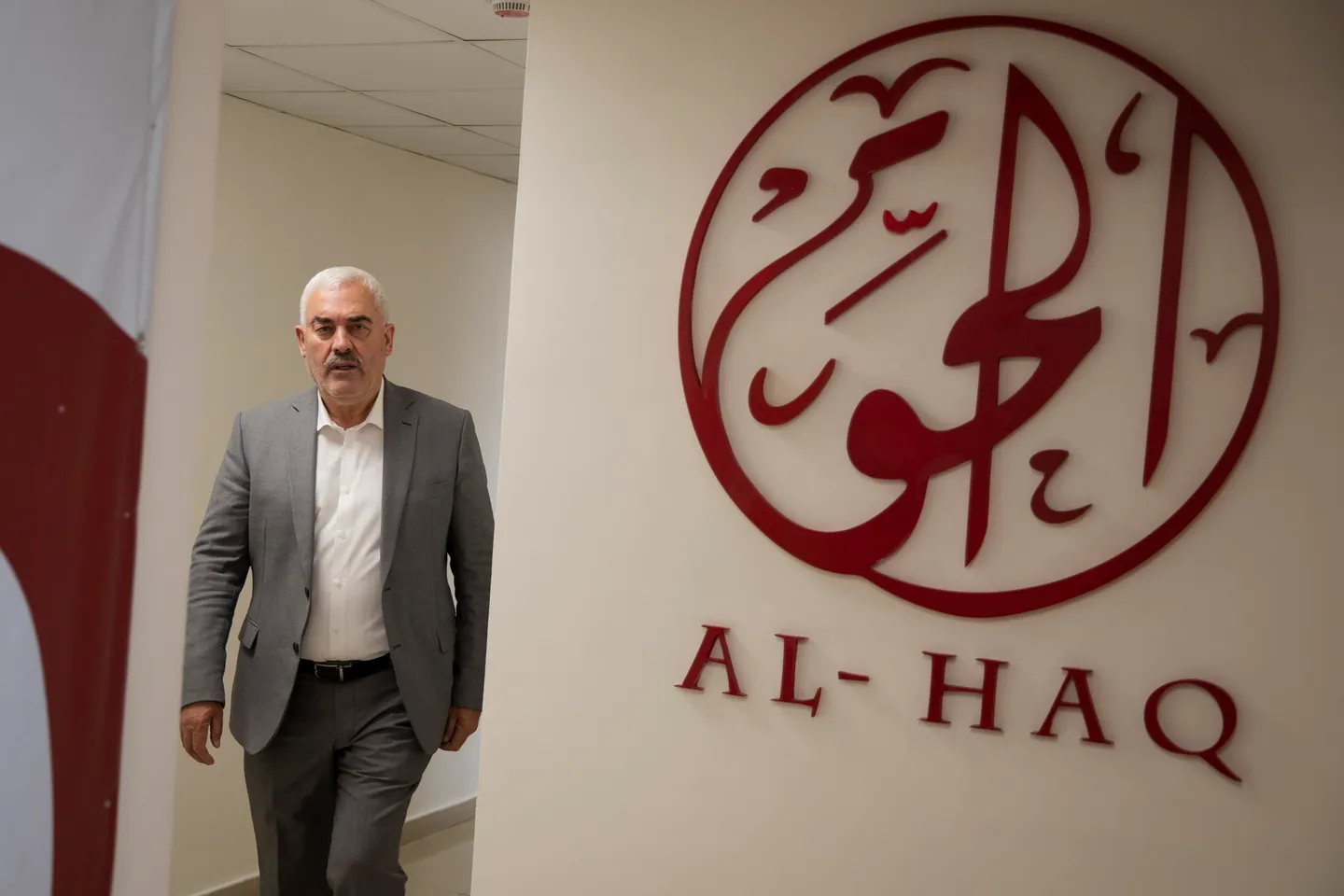
US Sanctions on Palestinian Rights Groups Raise Concerns Over International Justice and Humanitarian Accountability in Gaza
The United States has taken the controversial step of imposing sanctions on several Palestinian organizations that have been actively seeking accountability for alleged war crimes committed during the ongoing conflict in Gaza. This action arrives amidst escalating legal scrutiny of the Gaza war, most notably the International Criminal Court’s (ICC) issuance of arrest warrants for both Israeli leaders and Hamas figures. The move represents a significant escalation in Washington’s long-standing opposition to the ICC and has sparked widespread condemnation from human rights advocates and legal scholars.
ICC Investigation and Arrest Warrants Fueling Tensions
In recent months, ICC judges authorized arrest warrants targeting individuals from both sides of the conflict, alleging war crimes and crimes against humanity. While Israel and the United States reject the court’s jurisdiction, the ICC’s assertion of authority marks a pivotal moment in international law.The US, not a party to the Rome Statute that established the ICC, has historically pressured the court to refrain from investigating actions involving its allies. However, the imposition of sanctions on those petitioning the ICC represents a notable expansion of this pressure tactic, signaling a more aggressive stance.Adding to the pressure, a recent vote by the world’s largest association of genocide scholars concluded that Israel’s actions in Gaza meet the legal definition of genocide. With 86% of participating members supporting the resolution, the finding has resonated globally, particularly in European and Global South capitals, intensifying calls for accountability. Israel has vehemently denied the accusation.
A Humanitarian Crisis and the Weight of Evidence
The backdrop to these legal and political developments is a devastating humanitarian crisis.Since the October 7th Hamas attack on Israel, over 64,000 Palestinian civilians have reportedly been killed in gaza, according to figures that, while contested by Israel, underscore the immense scale of the conflict. Widespread displacement and acute food insecurity are rampant throughout the enclave.These stark realities are central to the evidentiary basis the ICC is currently evaluating, as Palestinian groups continue to meticulously document alleged violations.
Ripple Effects of US Sanctions: beyond Direct Impact
The sanctions are not limited to directly impacting the targeted organizations – Al-Haq, the Palestinian Centre for Human Rights, and Al Mezan. The broader financial implications are likely to be far-reaching. Correspondent banks, often erring on the side of caution, may sever ties, disrupting essential financial flows for payroll, rent, cloud services, and crucial project grants. International partners in Europe and the middle East may also suspend collaborative efforts to avoid potential secondary sanctions, even if their own governments do not endorse the US designations.
Legal experts warn that these “collateral impacts” could be catastrophic, possibly erasing years of painstaking documentation and case-building at a critical juncture – precisely when preserving evidence is paramount. This could severely hinder future efforts to investigate and prosecute alleged war crimes.
Condemnation and Concerns Over double Standards
Advocacy networks have sharply criticized the sanctions as an attack on civil society and the basic right to seek redress under international law. The argument centers on the assertion that Washington is punishing fact-finding efforts rather than engaging with the facts themselves. This perceived contradiction is likely to exacerbate existing perceptions of double standards in the Global South and complicate US diplomatic efforts on other human rights issues.Jurisdictional Debate and the Future of Accountability
US officials maintain that the ICC lacks jurisdiction over nationals of countries that haven’t ratified the Rome Statute, and that pursuing Israeli leaders through the ICC undermines diplomatic solutions. Though, legal scholars counter that the ICC’s jurisdiction extends to crimes committed on the territory of a member state. palestine’s accession to the Rome Statute in 2015, coupled with referrals and evidence submitted by victims’ representatives, provides a legal basis for the court to proceed.
The ultimate test will be whether witnesses can be secured and vital documentation preserved in the face of potential financial isolation of key Palestinian interlocutors. The sanctions raise serious questions about the ability to conduct thorough and impartial investigations.
A Complex Landscape and the Pursuit of Justice
The US sanctions represent a significant intervention in the ongoing debate surrounding accountability for the Gaza conflict. They highlight the deep divisions surrounding the ICC’s role and the challenges of pursuing justice in politically charged environments. As the conflict continues and the humanitarian crisis deepens, the international community faces a critical juncture in determining how to address alleged war crimes and ensure that those responsible are held accountable. The long-term implications of these sanctions will undoubtedly shape the future of international justice and the pursuit of a lasting peace in the region.
Sources:
* Reuters:[https://www.reuters.
Keep reading