
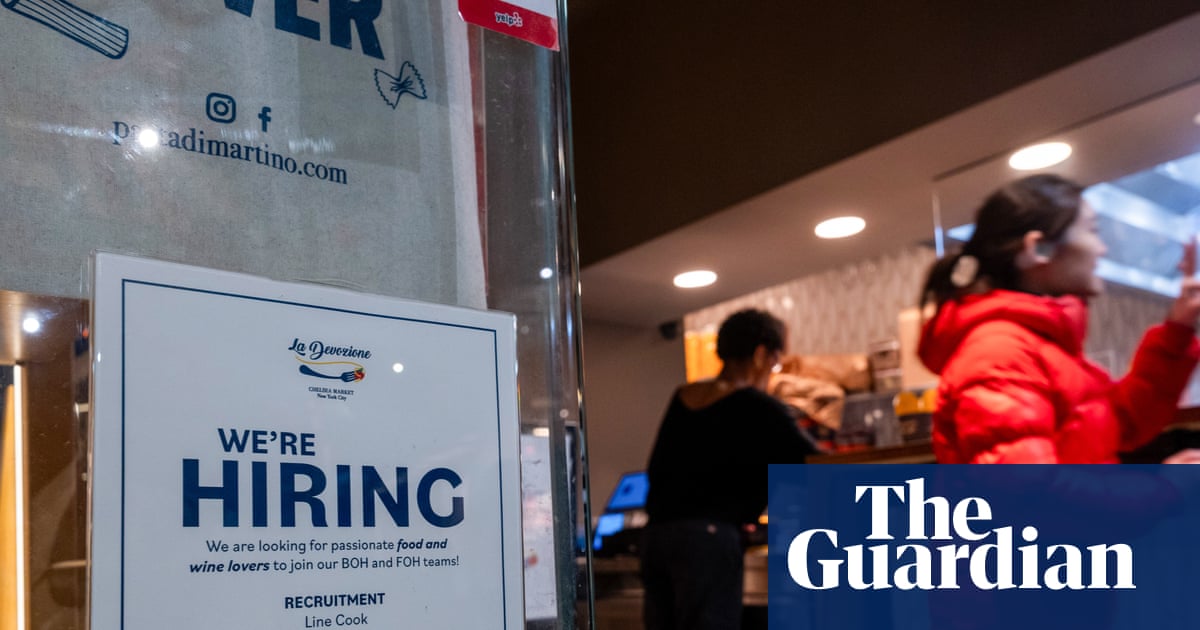
The United States labor market demonstrated a surprising degree of resilience in May, as employers added 172,000 jobs to the economy. This growth occurred against a complex macroeconomic backdrop, characterized by persistent inflationary pressures and ongoing geopolitical uncertainty stemming from conflicts in the Middle East. Despite these headwinds, the national unemployment rate held steady at 4.3%, according to the latest government labor data.
For market observers and policymakers, the report offers a nuanced look at a domestic economy navigating high interest rates and global instability. The addition of 172,000 jobs significantly outpaced initial consensus estimates, which had projected a more modest expansion of approximately 80,000 positions. This variance underscores the continued demand for labor across key sectors, even as firms weigh the costs of borrowing and the potential for cooling consumer sentiment.
Revised Data and Labor Market Momentum
A critical component of this month’s assessment involves the upward revision of previous figures. The Bureau of Labor Statistics (BLS) frequently adjusts initial estimates as more comprehensive payroll data becomes available. In this release, the figures for March and April were adjusted upward by 29,000 and 64,000, respectively. This cumulative boost of 93,000 jobs provides a clearer picture of a labor market that has maintained more momentum during the spring months than was initially captured in preliminary reporting.
The Bureau of Labor Statistics serves as the authoritative source for these employment metrics. By refining the historical data, economists are better equipped to determine whether the current pace of hiring represents a sustainable trend or a temporary deviation from the broader cooling trend observed in earlier fiscal quarters. The persistence of the 4.3% unemployment rate suggests that while hiring remains active, the supply of available workers is being absorbed at a rate that keeps the headline unemployment figure largely unchanged.
Macroeconomic Headwinds and Geopolitical Factors
The resilience of the U.S. Labor market is being tested by several external variables. Rising inflation remains a primary concern for the Federal Reserve as it evaluates the trajectory of monetary policy. While the labor market’s strength is often viewed as a positive indicator of economic health, it also complicates the central bank’s mission to stabilize prices, as robust hiring can sustain wage growth and, by extension, inflationary demand.
the geopolitical landscape in the Middle East introduces an element of unpredictability into global supply chains and energy costs. Economic uncertainty, when paired with sustained inflation, typically prompts businesses to adopt a more cautious approach to long-term capital expenditure. However, the May data suggests that for the current period, American firms have prioritized human capital acquisition over the adoption of defensive fiscal postures.
What This Means for the Future
As we look toward the remainder of the year, stakeholders will be watching for signals regarding whether this pace of job creation can be maintained. The interplay between labor demand, inflationary pressure, and international stability remains the focal point for analysts at the Federal Reserve. The next scheduled release of employment data will be critical in confirming whether the May figures represent a new baseline or a localized spike in hiring activity.

For individuals and businesses navigating this environment, staying informed through official government releases is essential. The next official update from the Bureau of Labor Statistics is expected in the coming month, providing further clarity on whether the upward revisions seen in March and April will carry over into the summer reporting cycle. We invite our readers to share their perspectives on these economic shifts in the comments section below.