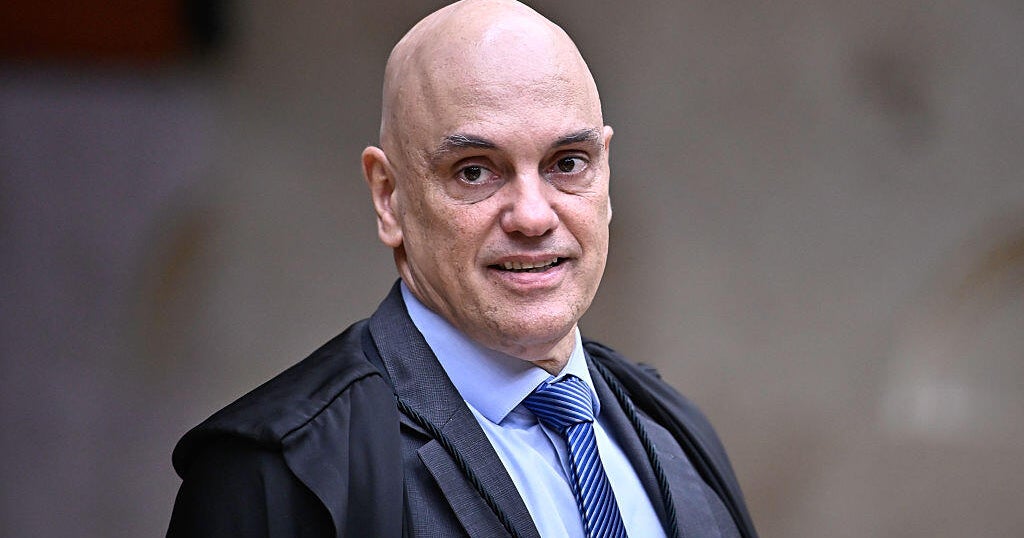
Trump Lifts Sanctions on Brazilian judge, Signaling Shift in US-Brazil Relations
The recent decision by former President Donald Trump to lift sanctions against brazilian Judge Alexandre de Moraes marks a notable turning point in the complex relationship between the United States and Brazil. This reversal,following months of escalating tensions,comes as brazil prepares for crucial elections and highlights the enduring political influence of former Brazilian President Jair Bolsonaro,despite his current legal challenges.
A History of Friction
The sanctions,initially imposed in July,stemmed from accusations that Judge de Moraes – a key figure in Brazil’s Supreme Federal Court – had engaged in human rights abuses and corruption. The Trump management cited the Global Magnitsky Human Rights Accountability Act as justification. De Moraes vehemently denied these claims, labeling the sanctions “illegal and regrettable.”
Adding to the strain, the U.S. also imposed tariffs on Brazilian imports, initially 10% and later increased to 40% on certain products like beef and coffee. The justification centered around perceived economic emergency conditions resulting from Brazil’s legal proceedings against Bolsonaro.
Lula’s Diplomatic Efforts Bear Fruit
The shift in policy is largely attributed to the diplomatic efforts of current Brazilian President Luiz inácio Lula da Silva, often referred to as Lula. He actively engaged with Trump, initiating a thaw in relations that began at the United Nations General Assembly in September. This was followed by a private meeting in Malaysia in October and subsequent phone conversations.
Lula’s administration viewed the sanctions as a direct attack on Brazil’s sovereignty and judicial independence. Gleisi Hoffmann, Brazil’s minister for institutional relations, characterized the lifting of sanctions as a “big defeat” for the Bolsonaro family, alleging they actively conspired against Brazil and its judiciary.
Bolsonaro’s Response and Future Plans
Eduardo Bolsonaro, a lawmaker and son of the former president, expressed “regret” over the sanctions being lifted. He had been actively lobbying the Trump administration from the U.S. to intervene on his father’s behalf, fearing potential jail time related to ongoing investigations.
Despite this setback, Eduardo Bolsonaro affirmed his continued commitment to fighting for his father’s interests. He acknowledged that a lack of internal cohesion and insufficient support for his efforts abroad contributed to the reversal.
Implications for Trade and Regional Stability
The lifting of the 40% tariffs on certain Brazilian imports, including key agricultural products like beef and coffee, is a welcome growth for both economies. The U.S. currently enjoys a $6.8 billion trade surplus with Brazil, and this move is expected to further strengthen economic ties.
Beyond trade, Lula has also been proactively addressing regional concerns. He has urged Latin American nations to collaborate in preventing conflict in Venezuela, especially in light of the Trump administration’s past consideration of military action against vessels allegedly linked to drug cartels.
Key Takeaways for You:
* Shift in US-Brazil Relations: The lifting of sanctions signals a potential reset in the relationship between the two countries.
* Lula’s Diplomatic Success: President Lula’s direct engagement with Trump proved crucial in reversing the previous administration’s policies.
* Bolsonaro’s Continued Influence: Despite facing legal challenges, Jair Bolsonaro remains a politically significant figure in Brazil.
* Economic Benefits: The removal of tariffs will positively impact trade between the U.S. and Brazil.
* Regional Stability: Lula is actively working to address potential conflicts in Latin America, particularly in Venezuela.
This situation underscores the dynamic nature of international relations and the importance of consistent diplomatic engagement. As Brazil heads into elections, the outcome will undoubtedly shape the future trajectory of its relationship with the United States.
Related reading