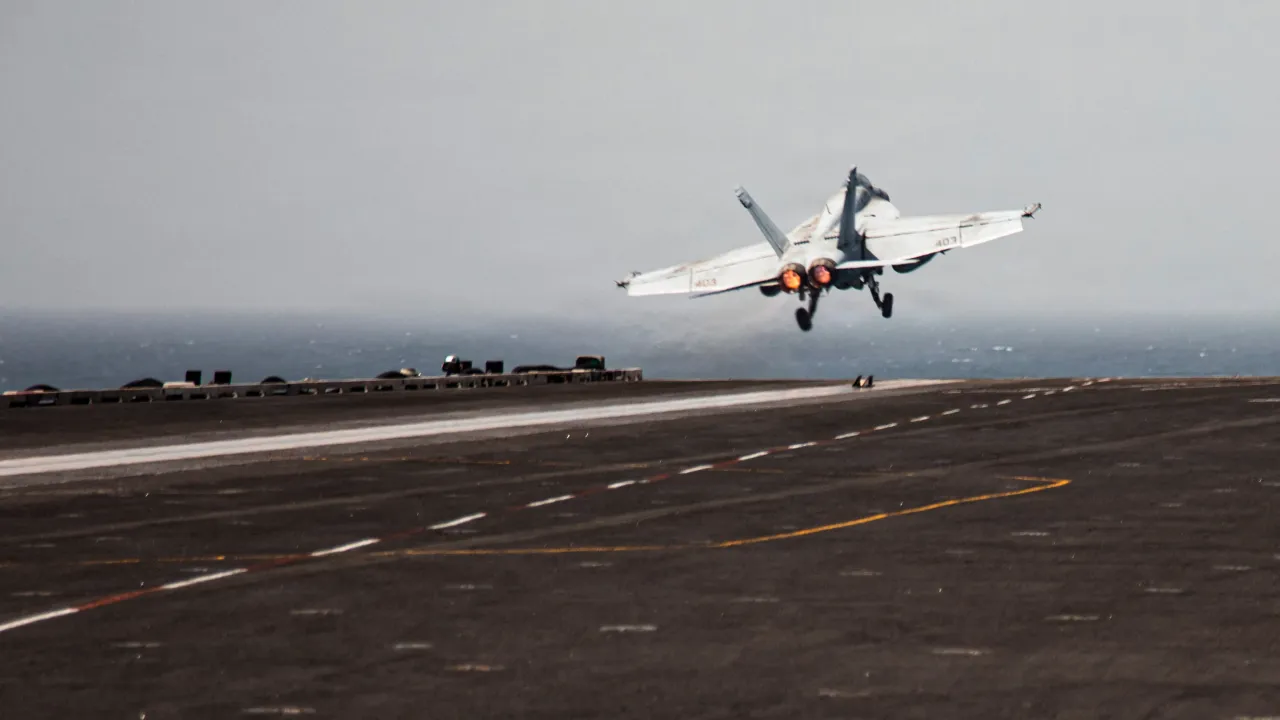
The United States military has conducted recent operations targeting facilities in Iran, describing the actions as necessary measures taken in self-defense. These strikes, coordinated by U.S. Central Command (CENTCOM), mark a significant escalation in the ongoing regional tensions, reflecting a broader pattern of kinetic activity involving American assets and regional proxies in the Middle East.
As the geopolitical landscape remains volatile, the rationale provided by U.S. Officials centers on the protection of personnel and the deterrence of further aggression against U.S. Interests. This latest development underscores the precarious nature of the current security environment, where “self-defense” remains the primary legal and strategic framework used by the Pentagon to justify military engagements in sovereign territories.
Strategic Rationale and Operational Context
The U.S. Military’s justification for these strikes relies on the principle of inherent self-defense, a standard doctrine utilized by the Department of Defense when responding to perceived threats against U.S. Forces or allied regional partners. According to official statements from U.S. Central Command, these operations are designed to degrade the capabilities of groups that pose a direct risk to American security, particularly those supported by Iran.
The reliance on precision strikes, often involving air assets, is intended to limit the scope of the engagement while signaling resolve to Tehran. However, such actions frequently draw criticism from international observers who argue that these interventions risk a wider regional conflict. The legal basis for these strikes is often tied to the Authorization for Use of Military Force (AUMF) as interpreted by the executive branch, allowing for actions against non-state actors and, in specific instances, state-aligned entities when deemed necessary for national security.
Regional Implications and Escalation Risks
The decision to strike targets within Iran—or targets associated with Iranian influence—carries profound risks for regional stability. Analysts at organizations such as the Council on Foreign Relations have long monitored the “shadow war” between the U.S. And Iran, noting that both sides often operate through proxies to avoid a direct, full-scale military confrontation. When these boundaries are crossed, the potential for miscalculation increases significantly.
For the global community, these events highlight the fragility of maritime security in the Persian Gulf and the broader stability of the Middle East. Energy markets, in particular, remain highly sensitive to news of military activity in this region, as any disruption to transit corridors like the Strait of Hormuz could have immediate impacts on global oil prices and supply chains. Investors and policymakers continue to watch for signs of further escalation or attempts at diplomatic de-escalation.
What Happens Next: Monitoring the Situation
As of May 26, 2026, the situation remains fluid. The international community is awaiting further briefings from the Pentagon regarding the specific impact of the strikes and any retaliatory measures that may be anticipated. The U.S. Government maintains a policy of “calculated deterrence,” meaning that further actions will likely depend on the observed response from Tehran and its regional network of affiliated groups.
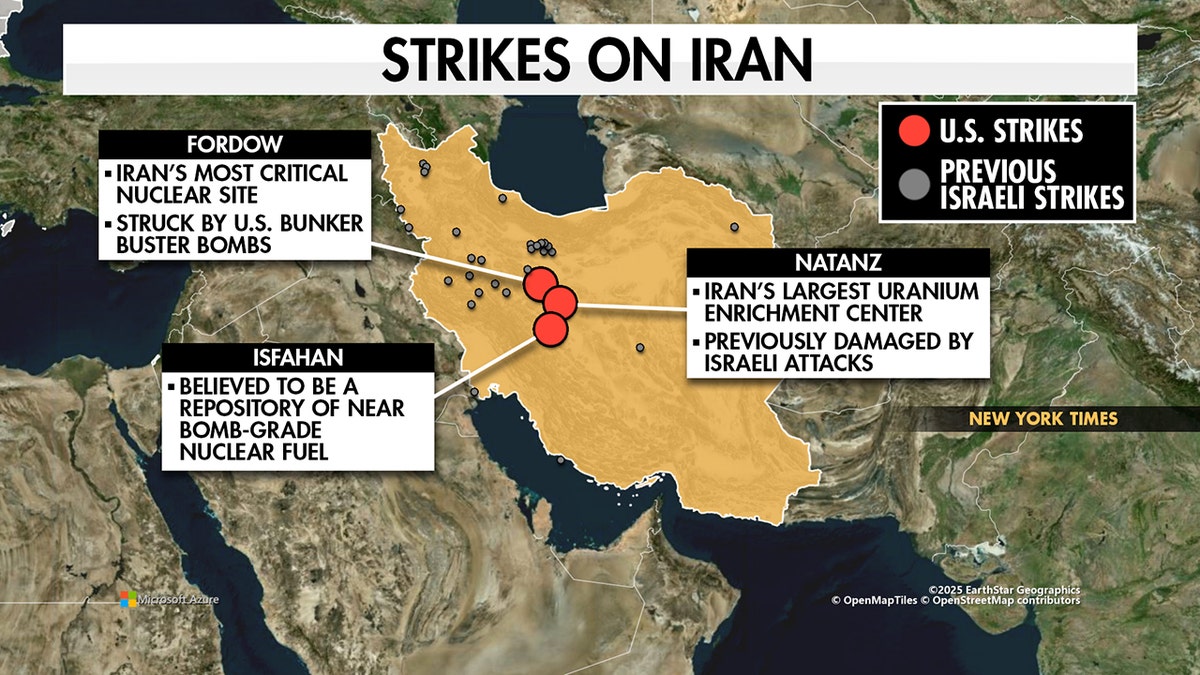
Key checkpoints for observers include:
- Official statements from the U.S. Department of Defense regarding the success and scope of the recent operations.
- Diplomatic responses from regional powers and international bodies, including the United Nations Security Council, should the situation devolve into a formal dispute.
- Updates on the security posture of U.S. Naval and ground forces currently stationed in the Middle East.
For those tracking these developments, official updates are regularly provided through the Department of Defense Newsroom. We will continue to monitor these reports as they emerge and provide analysis on the potential long-term geopolitical consequences of these actions.
This is a developing story. We encourage our readers to join the discussion in the comments section below and share your perspectives on how these regional shifts might impact global security in the coming months.
Related reading