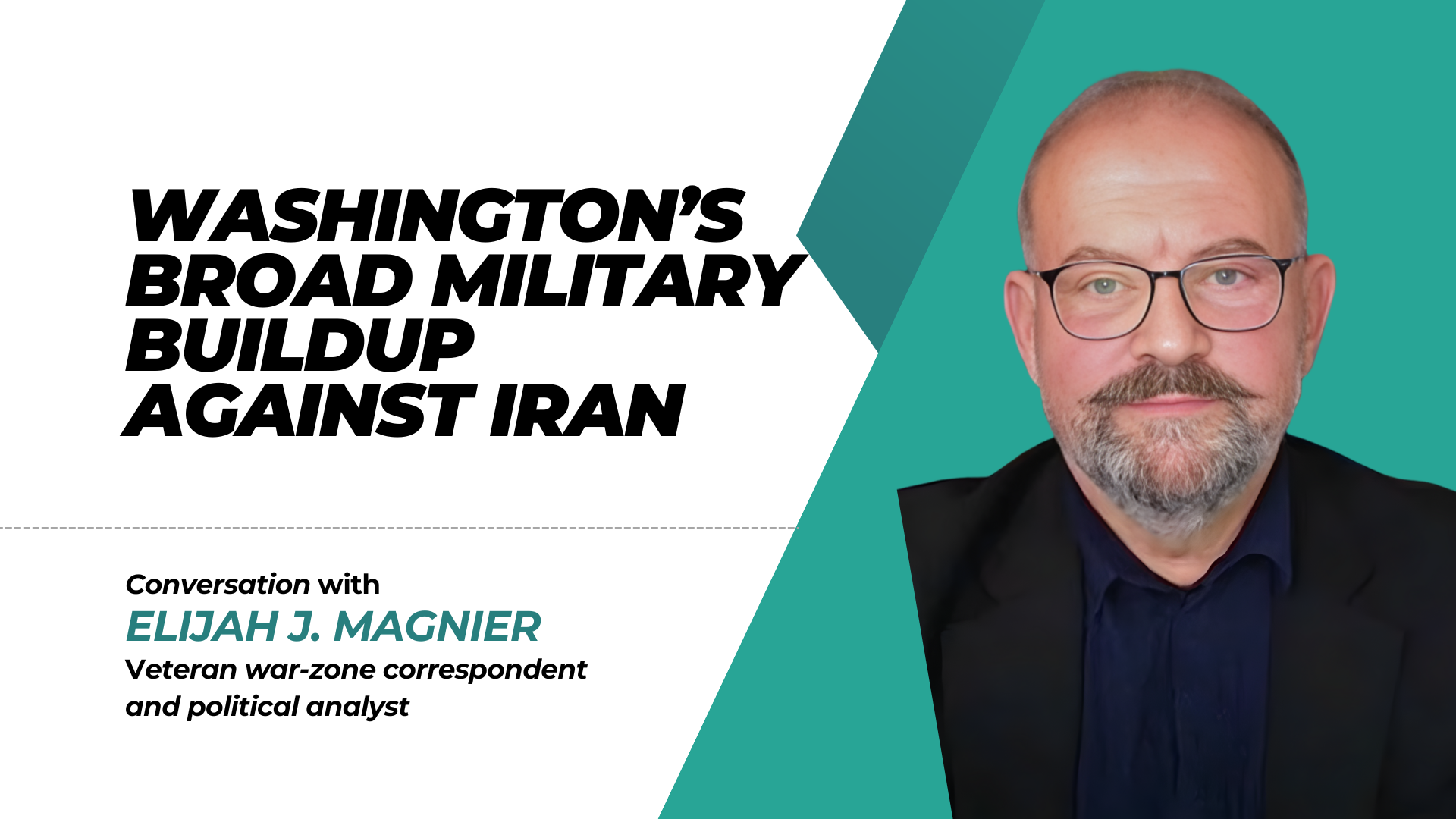
The specter of escalating conflict in the Middle East looms large as concerns mount over a broad military buildup by the United States against Iran. Recent analysis, including a discussion between European strategic analyst Elijah J. Magnier and Just World Ed President Helena Cobban on February 2, 2026, suggests the focus isn’t solely on Iran’s nuclear program, but rather on degrading its missile capabilities and diminishing its regional influence. This assessment comes amid heightened tensions and a complex geopolitical landscape, raising fears of a wider regional war.
The conversation, accessible via YouTube, transcript, and podcast, delved into the nuances of Washington’s strategy. Magnier’s analysis, initially published on February 1, 2026, highlighted a perceived emphasis on naval power that he argues masks the true architecture of potential military action. The discussion underscores a growing anxiety about the potential for miscalculation and unintended consequences in a region already grappling with multiple crises.
Beyond Nuclear Concerns: A Focus on Deterrence and Regional Power
A central argument presented by Magnier is that the current confrontation between the U.S. And Israel with Iran is not primarily driven by concerns over Iran acquiring nuclear weapons. Instead, the objective, he contends, is to dismantle or significantly weaken Iran’s ballistic missile program and curtail its expanding role in regional affairs. He emphasized that, despite enrichment to 60%, Iran does not currently possess nuclear weapons, and its enriched uranium stockpile primarily serves as a bargaining chip for potential negotiations towards a renewed agreement similar to the Joint Comprehensive Plan of Action (JCPOA). This perspective challenges the prevailing narrative often presented in Western media, which frequently frames the issue as an imminent nuclear threat.
Magnier further explained that eliminating Iran’s missile capabilities through military action would, in practice, necessitate regime change. He argued that scientific knowledge, crucial for missile development, cannot be eradicated through bombing alone. This suggests a more protracted and destabilizing conflict than often anticipated, one that would likely involve significant human cost and regional repercussions. The focus on missile deterrence highlights Iran’s strategic calculation: maintaining a credible retaliatory capability to deter attacks on its territory and interests.
The Limits of U.S. Military Power and Regional Entanglements
The discussion also addressed the inherent limitations facing the United States in any potential military campaign against Iran. Magnier characterized U.S. Aircraft carriers as largely symbolic, insufficient for sustaining a prolonged, multi-front conflict. He posited that a major attack would be heavily reliant on numerous regional bases, all of which Iran has publicly threatened to strike in response. This threat introduces a significant escalation risk, potentially drawing in allied forces stationed in Iraq, Yemen, and Lebanon, particularly following warnings from Ayatollah Ali Khamenei regarding the potential for a wider regional conflagration.
The potential for escalation is further complicated by Iran’s economic vulnerabilities. Western sanctions have demonstrably damaged the Iranian economy, yet Tehran remains resolute in its refusal to negotiate over its missile program or its ideological support for groups it deems “oppressed,” including Palestinian factions in Gaza. While mediation efforts, involving countries like Turkey, Egypt, Qatar, and Oman, have opened channels for discussions focused solely on the nuclear issue, deep-seated mistrust and the ongoing conflict in Gaza continue to impede progress on broader strategic concerns. The situation in Gaza, in particular, adds another layer of complexity, as Iran’s regional allies are directly involved in the conflict.
Naval Power as a Display, Not a Decisive Force
Magnier’s February 1 analysis, which formed a core part of the conversation with Cobban, specifically questioned the significance of Washington’s display of naval power in the Persian Gulf. He argued that this projection of force is more about signaling resolve and deterring escalation than preparing for a decisive military strike. The true “war architecture,” according to Magnier, lies elsewhere – in the network of regional bases and the potential for proxy conflicts. This assessment challenges conventional wisdom regarding the role of naval power in the region and suggests a more nuanced understanding of U.S. Strategic intentions is required.
The reliance on regional bases, however, presents a significant vulnerability for the U.S. And its allies. Iran’s ability to strike these bases quickly and effectively could severely hamper any military operation and escalate the conflict dramatically. This dynamic underscores the importance of de-escalation efforts and diplomatic solutions to prevent a potentially catastrophic war. The potential for asymmetric warfare, utilizing proxy forces and unconventional tactics, further complicates the military equation.
The Broader Geopolitical Context and Potential for Wider Conflict
The current tensions between the U.S. And Iran are not occurring in a vacuum. They are intertwined with a complex web of regional rivalries, including the ongoing conflict between Israel and Hamas, the proxy war in Yemen, and the broader struggle for influence between Saudi Arabia and Iran. These interconnected conflicts create a volatile environment where miscalculation or unintended consequences could easily spiral out of control. The involvement of multiple actors, each with their own interests and agendas, further complicates the situation.
The potential for a wider regional war is a serious concern. An escalation could draw in countries like Iraq, Lebanon, and Yemen, potentially destabilizing the entire Middle East. The economic consequences of such a conflict would also be significant, disrupting global energy markets and exacerbating existing economic challenges. The humanitarian impact would be devastating, potentially leading to a large-scale refugee crisis and widespread suffering. The international community faces a critical challenge in preventing this scenario from unfolding.
The situation is further complicated by the upcoming U.S. Presidential election in November 2024. The outcome of the election could significantly impact U.S. Policy towards Iran, potentially leading to a more hawkish or conciliatory approach. This uncertainty adds another layer of complexity to the already volatile situation. The timing of any potential military action could be influenced by domestic political considerations.
The ongoing negotiations surrounding Iran’s nuclear program remain stalled, with little prospect of a breakthrough in the near future. The core sticking point remains Iran’s refusal to negotiate over its missile program and its regional activities. The U.S. And its allies insist that these issues must be addressed in any comprehensive agreement, while Iran maintains that they are non-negotiable. This impasse leaves the door open to further escalation and increases the risk of military conflict.
The international community continues to urge all parties to exercise restraint and engage in constructive dialogue. However, the deep-seated mistrust and conflicting interests make it difficult to find common ground. The situation requires a concerted diplomatic effort, involving all key stakeholders, to prevent a catastrophic war. The stakes are high, and the consequences of failure could be devastating.
As of February 21, 2026, the situation remains tense, with no immediate signs of de-escalation. The U.S. Continues to maintain a significant military presence in the region, and Iran continues to develop its missile capabilities. The next key development to watch will be the outcome of ongoing diplomatic efforts, particularly those mediated by Turkey, Egypt, Qatar, and Oman. The international community will also be closely monitoring the situation in Gaza, as any further escalation there could have significant repercussions for regional stability.
The conversation between Helena Cobban and Elijah J. Magnier provides valuable insights into the complex dynamics at play and underscores the urgent need for a diplomatic solution to prevent a wider conflict. The analysis highlights the limitations of military force and the importance of addressing the underlying political and economic factors driving the tensions. It is a critical reminder that a peaceful resolution requires a nuanced understanding of the region and a willingness to engage in constructive dialogue.
What are your thoughts on the escalating tensions between the U.S. And Iran? Share your perspectives in the comments below, and please share this article with your networks to promote informed discussion.
Related reading