
The United States military has disabled another merchant vessel in the Gulf of Oman, marking the latest incident in an ongoing effort to enforce a maritime blockade of Iranian ports. According to a U.S. Official familiar with the military operations, the Gambia-flagged bulk carrier Lian Star was immobilized by U.S. Aircraft after failing to respond to multiple warnings issued by American forces.
This action, which occurred overnight, underscores the persistent volatility in the region as international efforts to maintain a fragile ceasefire remain stalled. The blockade, which was initiated on April 17, serves as a central component of the current U.S. Posture following the escalation of tensions that began with strikes on February 28. The Lian Star remains adrift in the Gulf of Oman, and officials have confirmed that U.S. Forces have not boarded the vessel.
Strategic Context of the Maritime Blockade
The enforcement of the blockade has become a defining feature of the current regional security environment. With the latest intervention, U.S. Forces have now intercepted six ships attempting to breach the blockade, with one vessel permitted to continue its transit. The blockade itself was established in response to Iran’s effective closure of the Strait of Hormuz, a critical maritime chokepoint for global oil, natural gas, and essential supply chains, including fertilizer.
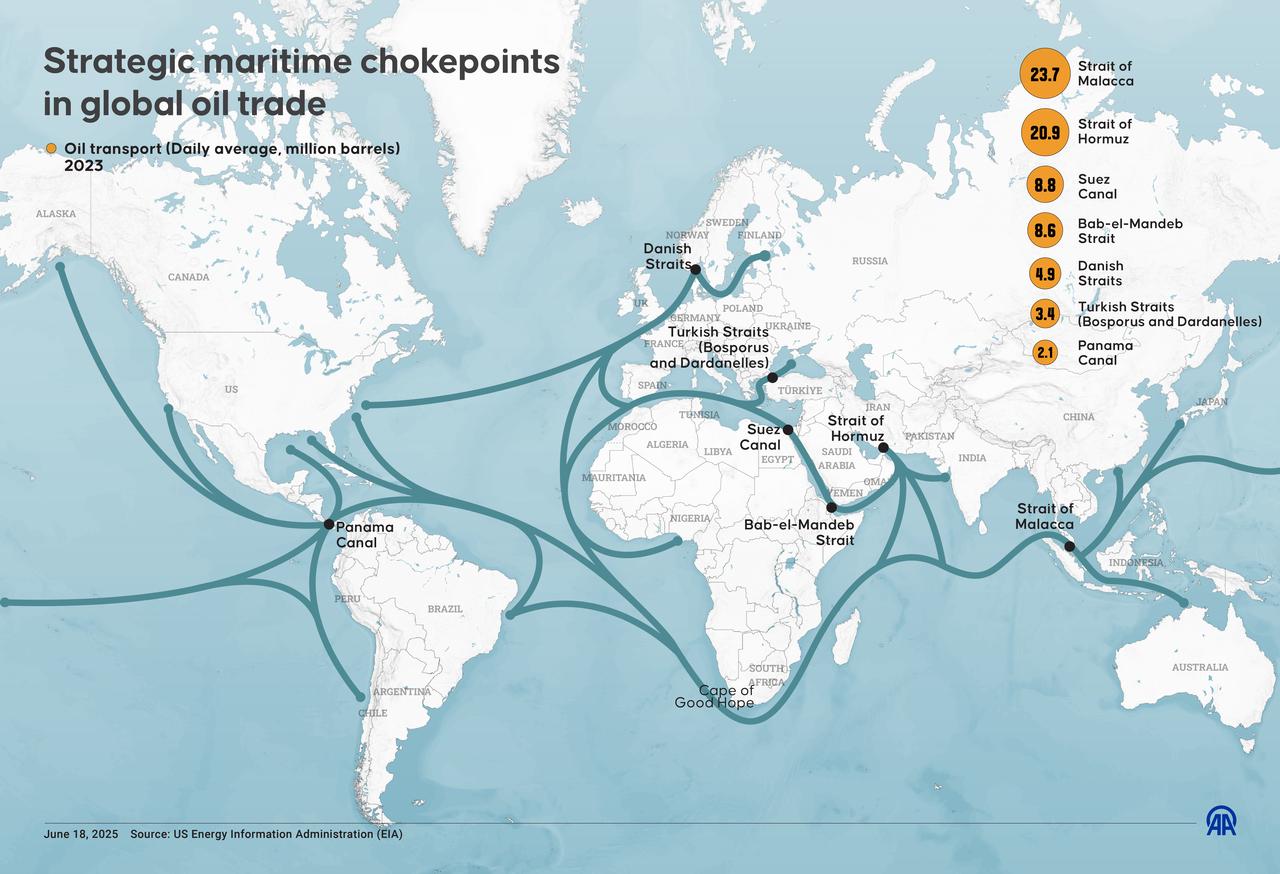
The disruption of these transit routes has placed significant strain on food producers and consumers worldwide. The ongoing uncertainty regarding the status of the strait remains a primary factor in global economic volatility. While a fragile ceasefire has been in effect since April 7, the failure to reach a long-term diplomatic resolution continues to keep regional forces in a state of high alert.
Diplomatic Hurdles and Future Outlook
As the U.S. Military continues its operational tempo in the Gulf of Oman, diplomatic channels remain focused on the possibility of extending the current ceasefire by 60 days. Such an extension would theoretically provide the necessary window for new negotiations concerning Iran’s disputed nuclear program. However, the path to a sustained peace remains precarious.
The geopolitical landscape is further complicated by the domestic economic pressures facing the U.S. Department of Defense. Internal Pentagon memos have recently highlighted that training and medical course budgets are being reduced to accommodate the mounting costs associated with the conflict. These budgetary constraints reflect the broader, long-term fiscal impact of the regional standoff.
Key Developments in the Conflict
- Blockade Enforcement: U.S. Forces have disabled six vessels attempting to breach the blockade since its inception on April 17.
- Ceasefire Status: A fragile ceasefire has been maintained since April 7, though negotiations for a 60-day extension are ongoing.
- Operational Impact: The closure of the Strait of Hormuz continues to impact global commodities, specifically oil and agricultural fertilizers.
- Defense Spending: Recent reports indicate that the Pentagon is reallocating training and medical resources to cover the costs of regional military operations.
As the situation develops, the international community awaits further word on whether a deal can be reached to stabilize the region. Observers are closely monitoring both the maritime activity in the Gulf of Oman and the progress of the upcoming nuclear program talks. For those following these events closely, official statements from the Department of Defense remain the primary source for updates on military engagements in the region.
We will continue to provide updates on this situation as more information becomes available. We invite our readers to share their perspectives on the diplomatic and economic implications of this blockade in the comments section below.