U.S. Strikes on Suspected Drug Boats Face Mounting Legal Scrutiny
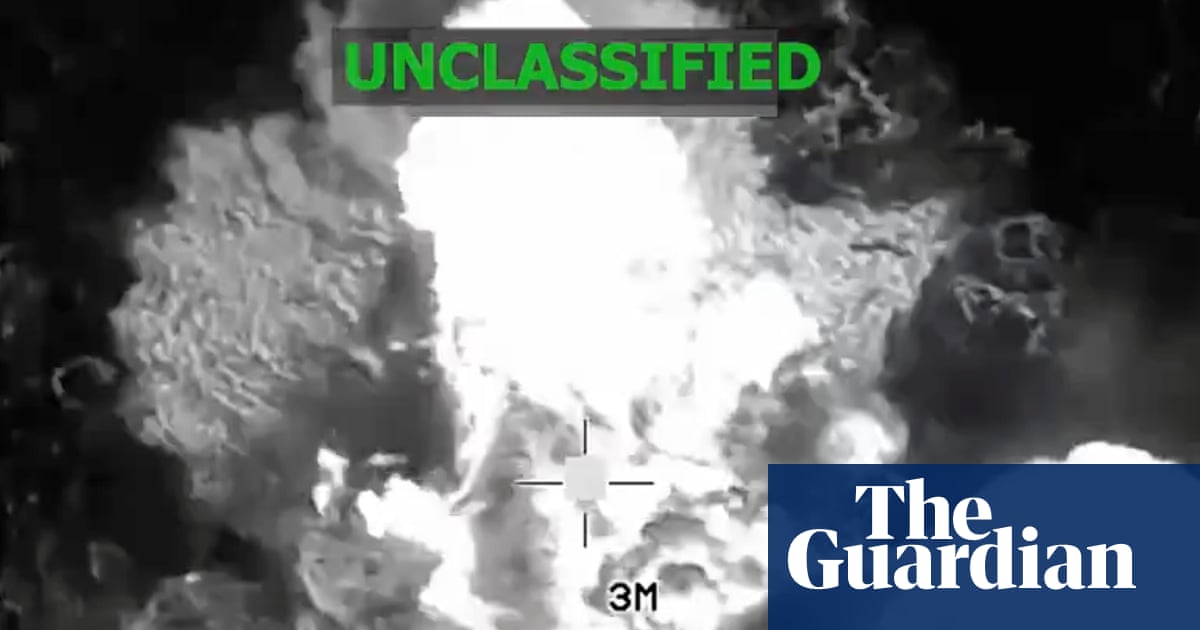
Recent U.S. military actions targeting boats suspected of drug trafficking are sparking a important legal debate. Since September, the U.S. military has reported conducting 22 strikes,resulting in the deaths of approximately 86 individuals. These actions are being defended by the management as legitimate acts of war against drug traffickers. However, a growing chorus of legal experts strongly disputes this justification.
The Core Legal Question: Are These Strikes lawful?
The central argument revolves around whether the U.S. is legally authorized to use lethal force against individuals suspected of drug trafficking in international waters. The administration contends that a “war” exists with these traffickers, thus permitting such strikes under the laws of armed conflict. This claim is facing substantial pushback.
Here’s a breakdown of the key legal concerns:
* Lack of Active Combat: Experts emphasize that simply possessing drugs – even if intended for illicit trade – does not equate to engaging in “active combat activities.” This is the established legal threshold for legitimate targeting during wartime.
* “Hors de Combat” Principle: Even if individuals were considered combatants, international law prohibits attacking those who are “hors de combat” – meaning incapacitated. This includes those who have been shipwrecked.
* Shipwrecked Status: Killing individuals after a vessel has been disabled, as in the case of the recent incidents, is considered a clear violation of international law.
Expert Analysis: A Clear Violation of International Law
Prominent legal scholars are voicing strong objections to the administration’s rationale. Rebecca Ingber, a professor at Cardozo Law School and former State Department legal advisor, recently stated that killing shipwrecked individuals is “manifestly unlawful.”
Furthermore,Goodman,a legal expert specializing in national security law,points out the critical distinction between drugs as contraband and drugs as war-sustaining objects. He argues that, in these cases, the individuals targeted were not actively engaged in hostilities.
Implications and Concerns
You might be wondering what this means for U.S. policy and international relations.These strikes raise serious questions about the scope of executive power and the interpretation of international law.
Consider these points:
* Erosion of Legal Norms: Expanding the definition of “war” to include drug trafficking could set a perilous precedent,potentially justifying military intervention in a wider range of non-customary conflicts.
* International Condemnation: The strikes have already drawn criticism from some international observers, raising concerns about potential damage to U.S. credibility and alliances.
* Civilian Casualties: The reported high number of fatalities raises ethical and legal concerns about proportionality and the risk of unintended harm to civilians.
Ultimately, the legality of these strikes remains highly contested. As the debate continues, it’s crucial to understand the complex legal principles at play and the potential consequences of these actions for U.S. foreign policy and international law. You deserve a clear understanding of these critical issues.
Related reading