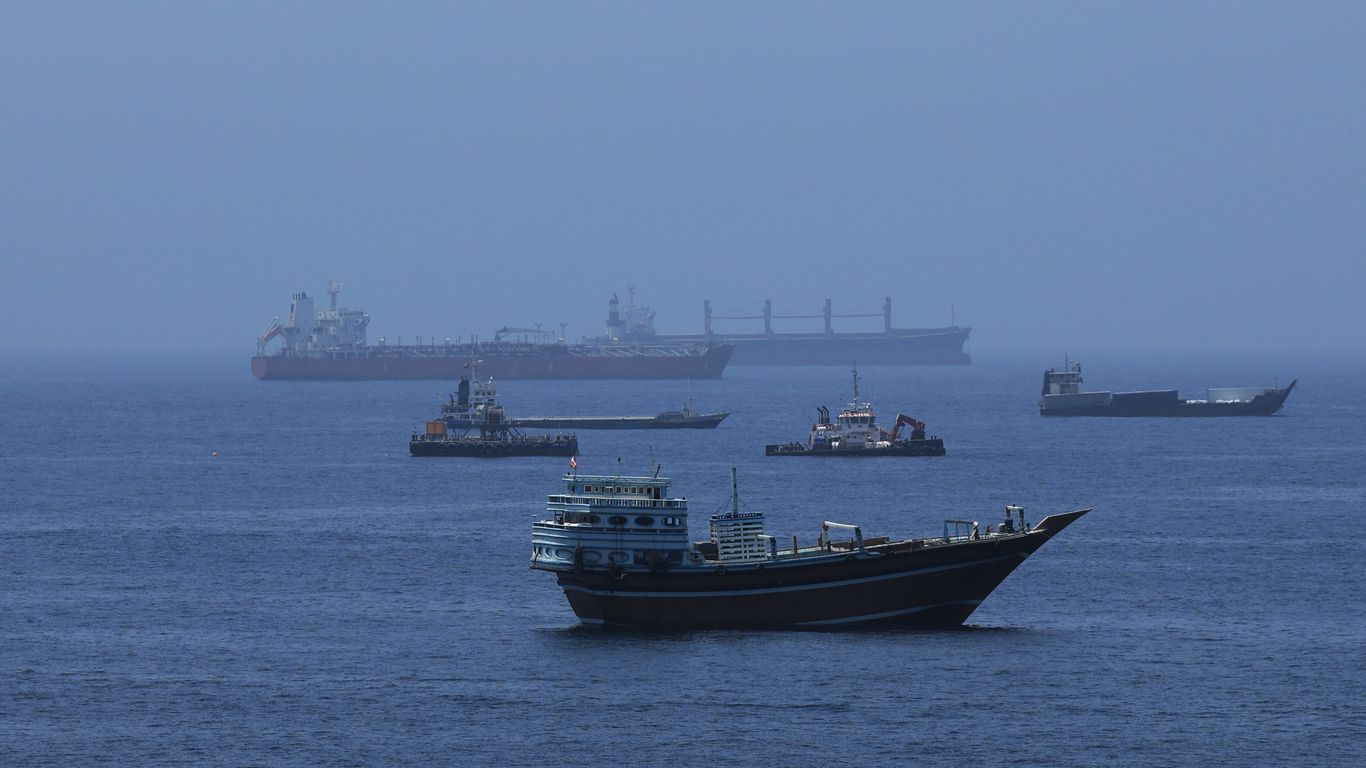
The United States military has launched a second wave of strikes against Iranian military targets following a drone attack on a commercial tanker in the Strait of Hormuz, as President Trump warned that the U.S. may be forced to “militarily complete the job.” The latest escalation, occurring within a 24-hour window, has placed a shaky U.S.-Iran memorandum of understanding at risk, according to reports.
The security situation in the Strait of Hormuz deteriorated Saturday morning when the Iranian Revolutionary Guards Corps launched an attack drone against the M/T Kiku. The vessel, which was transporting more than two million barrels of crude oil, became the focal point of the renewed hostilities. This incident happened several hours after the U.S. conducted strikes on Iranian targets in retaliation for another attack on a commercial ship on Thursday. The Iranians retaliated to the first wave of U.S. strikes by attacking targets in Bahrain early Saturday.
Military Infrastructure Targeted by U.S. Forces
CENTCOM said in a statement that U.S. aircraft targeted Iranian military surveillance infrastructure, communication systems, air defense sites, drone storage facilities, and minelayer capabilities.
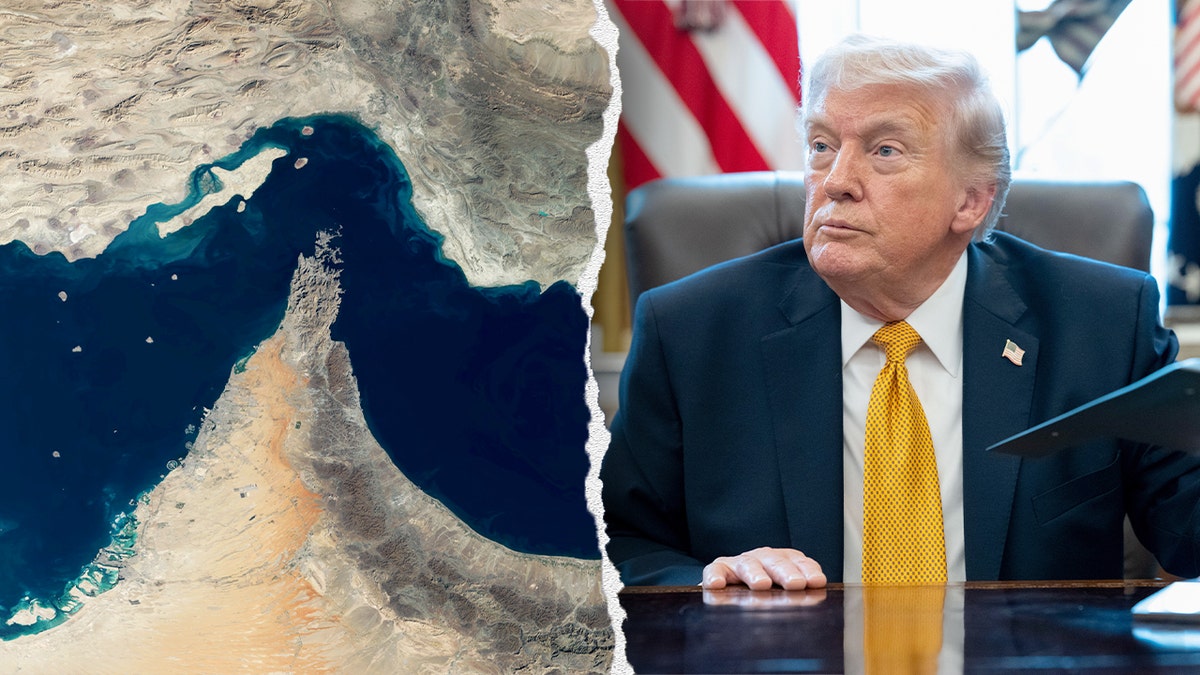
The use of military force to secure the Strait of Hormuz follows a deal signed 10 days ago to end the war and start diplomatic talks. President Trump, addressing the situation via social media on Saturday night, emphasized that the U.S. patience for diplomatic resolution is thinning.
Presidential Warnings and Diplomatic Fallout
In a statement posted to Truth Social, President Trump suggested that the U.S. might move beyond limited strikes if Iranian aggression persists. “There may come a point when we are no longer able to be reasonable, and will be forced to militarily complete the job that we very successfully started,” the President wrote, adding that if such a scenario unfolds, “the Islamic Republic of Iran will no longer exist!”
This rhetoric contrasts sharply with the state of affairs 10 days ago, when the U.S. and Iran signed the deal to end the war and start diplomatic talks. However, the subsequent characterization of that deal by the President—specifically the description of the agreement as an “unconditional surrender” by the Iranians—has served as a flashpoint for renewed instability.
Regional Impact and Maritime Security
The targeting of the M/T Kiku, carrying more than two million barrels of crude oil, highlights the economic stakes of the ongoing friction in the Strait of Hormuz. The involvement of the Iranian Revolutionary Guards Corps in the drone attack, as reported by CENTCOM, underscores the direct nature of the current conflict.
The retaliatory strike on targets in Bahrain early Saturday adds a layer of regional complexity, pulling neighboring Gulf states into the crossfire. With both U.S. and Iranian forces actively engaging in kinetic operations, international observers are monitoring the situation for signs of further escalation or a potential return to the negotiating table.
This is a developing story. Readers are encouraged to monitor official maritime safety advisories for updates on transit conditions in the Strait of Hormuz.