
Primary care access is a persistent problem across the U.S., but a growing number of providers are hoping to address these concerns with the help of technology and hybrid care models.
As the healthcare sector navigates this transition, industry experts emphasize that technical advancements must be balanced with direct clinical engagement to ensure patient needs are met effectively. Dr. Melissa Welch, chief medical officer at Sprinter Health, noted that while technology provides essential support, it cannot replace the necessity of human-led care in community-based environments.
Addressing Barriers to Primary Care Access
The fragmentation of U.S. healthcare often stems from a lack of coordination between disparate medical services, leading to delays in preventive screenings and chronic disease management. These obstacles disproportionately affect vulnerable populations, who may lack the resources to navigate complex referral networks or travel long distances for specialized care.
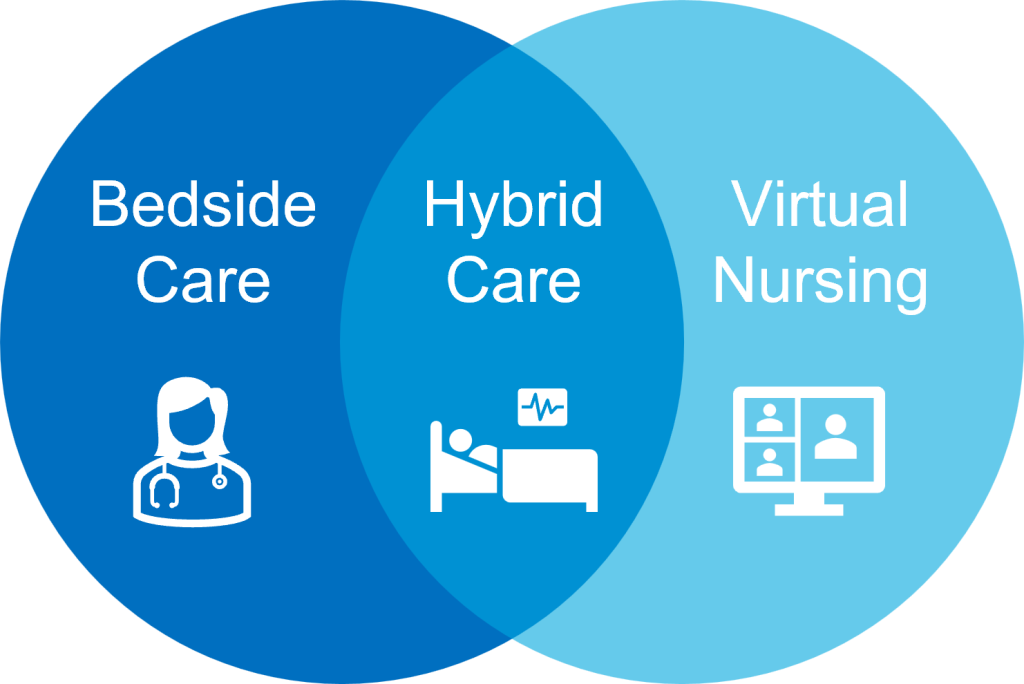
Hybrid care models—which combine in-person home visits with telehealth consultations—are being deployed to bridge these gaps. By bringing clinical resources directly to the patient, these models aim to reduce the reliance on centralized hospital systems and emergency departments for non-acute issues. This approach is supported by recent federal initiatives, such as the ACO REACH model introduced by the Centers for Medicare & Medicaid Services (CMS), which incentivizes coordinated care to improve outcomes for underserved communities.
The Role of Technology in Modern Care Delivery
Technological integration serves as the backbone for modernizing fragmented care. Digital health platforms allow for real-time monitoring of vitals, electronic health record (EHR) synchronization, and streamlined communication between primary care physicians and specialists. However, the efficacy of these tools depends on their ability to facilitate, rather than hinder, the patient-provider relationship.
Dr. Welch, who has had a long career in community-based care and public health, maintains that technology functions best as a facilitator. “Technology will always be here for us. It will always be an…,” Welch stated, emphasizing that the human element remains the cornerstone of diagnostic accuracy and patient trust. For providers, this means adopting software that simplifies administrative burdens while preserving the time required for meaningful patient interaction.
Why Care Fragmentation Remains a Challenge
Despite the proliferation of health technology, fragmentation persists due to a lack of interoperability between systems. When providers cannot easily share data, patients often face repetitive testing, conflicting medication regimens, and gaps in follow-up care. A report from the Office of the National Coordinator for Health Information Technology (ONC) notes that achieving seamless data exchange remains a primary goal for federal health policy, though implementation varies significantly across private and public health systems.
Providers attempting to solve these issues are increasingly looking toward “value-based care” arrangements. Under these models, clinics are rewarded for patient health outcomes rather than the volume of services provided. This shift encourages providers to invest in the infrastructure necessary to track patients across multiple care settings, effectively reducing the fragmentation that often occurs when a patient transitions from a primary care office to a specialist or a home-based recovery program.
Next Steps for Healthcare Providers
The path forward requires a sustained commitment to both technological infrastructure and the professional development of the primary care workforce. As the industry evolves, the focus is expected to remain on how to scale these hybrid models without losing the personalized nature of community-based medicine.
Stakeholders are currently monitoring the impact of the CMS Innovation Center’s ongoing strategies, which are scheduled for further evaluation and potential expansion in the coming fiscal year. These evaluations will likely determine how providers can best integrate home-based care with traditional outpatient settings to ensure long-term sustainability.
Readers interested in the evolution of care delivery can monitor official updates from the Centers for Medicare & Medicaid Services for upcoming hearings and policy revisions regarding primary care reimbursement. We invite our readers to share their experiences with hybrid care models in the comments section below.
Worth a look