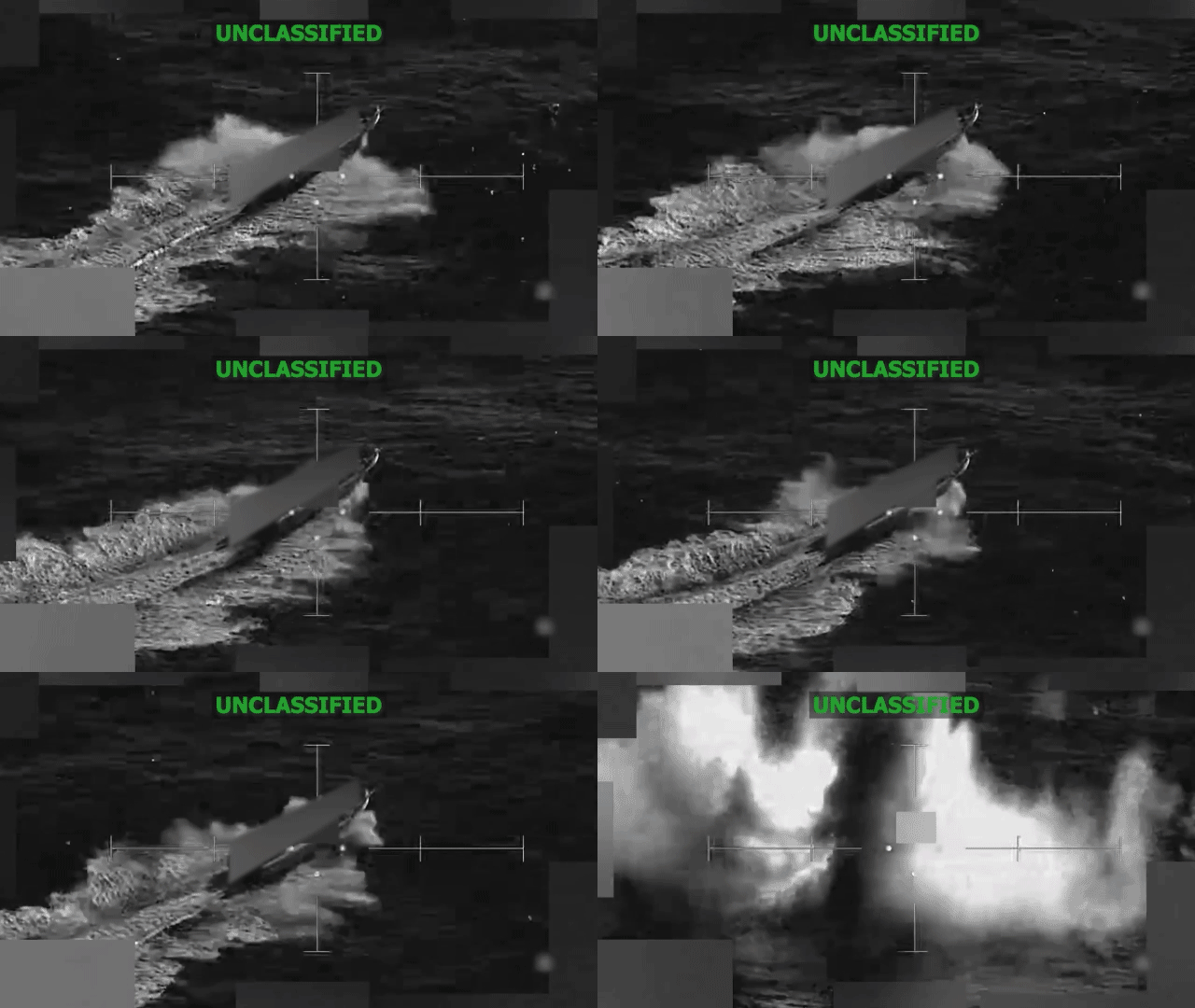
U.S. Forces Neutralize Narco-Terrorist Vessel in Pacific Ocean: A Deep Dive into Operation Southern Spear
The U.S. Southern Command (SOUTHCOM) recently announced the accomplished interception and neutralization of a vessel linked to a recognized terrorist group operating in the Eastern Pacific Ocean. this decisive operation, carried out by the Joint Task Force Southern Spear, resulted in the deaths of four militants and underscores the escalating U.S. commitment to combating the nexus of narco-terrorism. This article provides a comprehensive overview of the event, its strategic implications, and the broader context of U.S.efforts to disrupt illicit activities at sea.
The Operation: A Swift and Lethal Response
On Wednesday night, SOUTHCOM confirmed via X (formerly Twitter) that a “lethal kinetic strike” had been executed in international waters along a known drug trafficking corridor. The operation,authorized by Secretary of War Pete Hegseth following verified intelligence reports,targeted a vessel actively engaged in illicit activities. According to the Department of War, the strike resulted in the deaths of four individuals identified as narco-terrorists.
Crucially, the operation was conducted without any U.S. casualties, demonstrating the precision and effectiveness of the Joint Task Force Southern Spear. The task force, established to integrate Navy, Coast Guard, intelligence, and special operations assets, is designed for rapid response to time-sensitive targets at sea. This streamlined approach allows for swift action against evolving threats.
The Growing Threat of Narco-Terrorism
The incident highlights the increasingly dangerous convergence of drug trafficking and terrorism. Narco-terrorism refers to the symbiotic relationship between drug cartels and terrorist organizations, where profits from drug trafficking are used to fund terrorist activities, and terrorist groups provide security and logistical support for drug operations.This alliance poses a notable threat to regional and international security.
The Eastern Pacific, particularly along established drug trafficking routes, has become a hotbed for this activity. cartels utilize the region to transport narcotics to the United States, while concurrently providing financial and logistical support to terrorist groups seeking to destabilize the region and possibly launch attacks on U.S.soil.
Strategic Implications and U.S. Response
This operation represents a proactive approach to disrupting these dangerous networks. By directly targeting vessels involved in narco-terrorism,the U.S.aims to:
* disrupt Financial Flows: severing the financial lifeline between cartels and terrorist organizations.
* Degrade Operational capabilities: Reducing the ability of these groups to conduct illicit activities.
* Deter Future Operations: Sending a clear message that the U.S. will actively counter narco-terrorism.
* Protect International Waters: Safeguarding vital shipping lanes and maintaining maritime security.
since September 2nd, these strikes have reportedly resulted in 98 casualties, according to Fox News, demonstrating the sustained intensity of U.S. counter-narcoterrorism operations. While the Pentagon has not yet released the identities of the individuals killed or the specific terrorist association involved, the operation underscores the seriousness with which the U.S.views this threat.
Beyond the Strike: A Multi-faceted approach
The neutralization of this vessel is just one component of a broader U.S. strategy to combat narco-terrorism. This strategy includes:
* Intelligence Gathering: Enhanced surveillance and intelligence collection to identify and track narco-terrorist networks.(Source: U.S. Department of Justice – Drug Enforcement Administration)
* International Cooperation: Collaboration with partner nations in the region to share intelligence, coordinate operations, and strengthen border security. (Source: U.S. Department of State – International Narcotics Control and Law Enforcement affairs)
* Capacity Building: Providing training and resources to local law enforcement and military forces to enhance their ability to counter narco-terrorism.
* Demand Reduction: Efforts to reduce the demand for illicit drugs in the United States, thereby undermining the economic incentives for drug trafficking. (Source: National Institute on Drug Abuse (NIDA))
**Evergreen Section: The Evolving landscape of