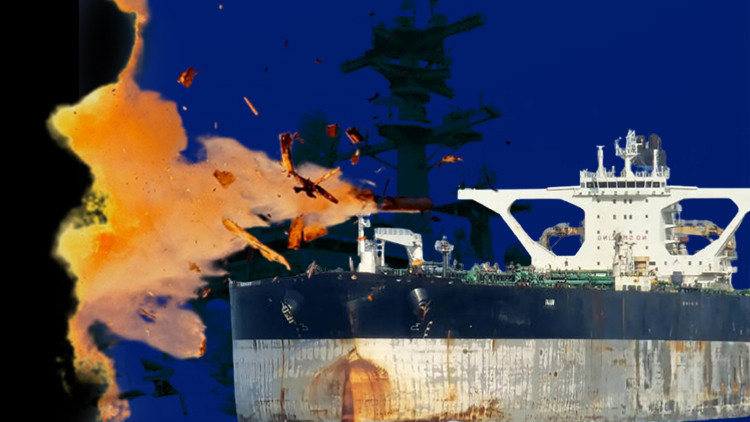
Sofia, Bulgaria – Tensions in the Middle East escalated this week following a U.S. Navy operation in the Arabian Sea, where a commercial vessel suspected of violating international sanctions imposed on Iran was boarded by U.S. Marines. The incident, confirmed by the U.S. Central Command (CENTCOM), underscores the ongoing efforts to enforce restrictions on Iran’s maritime activities and comes amid broader concerns about regional stability and the flow of oil through the critical Strait of Hormuz. This action highlights the complex geopolitical landscape and the United States’ commitment to maintaining security in a vital global shipping lane.
The operation, which took place on April 28, 2026, involved U.S. Marines deploying from a helicopter onto the unidentified commercial vessel. CENTCOM released footage of the boarding, stating that the vessel was suspected of attempting to circumvent the established maritime sanctions regime. Whereas details regarding the specific cargo and destination of the ship remain limited, the intervention signals a firm stance against those seeking to evade international restrictions. The incident occurred as Iran continues to seek alternative routes for its oil exports, facing increasing pressure from international sanctions.
Enforcement of Sanctions and the Strait of Hormuz
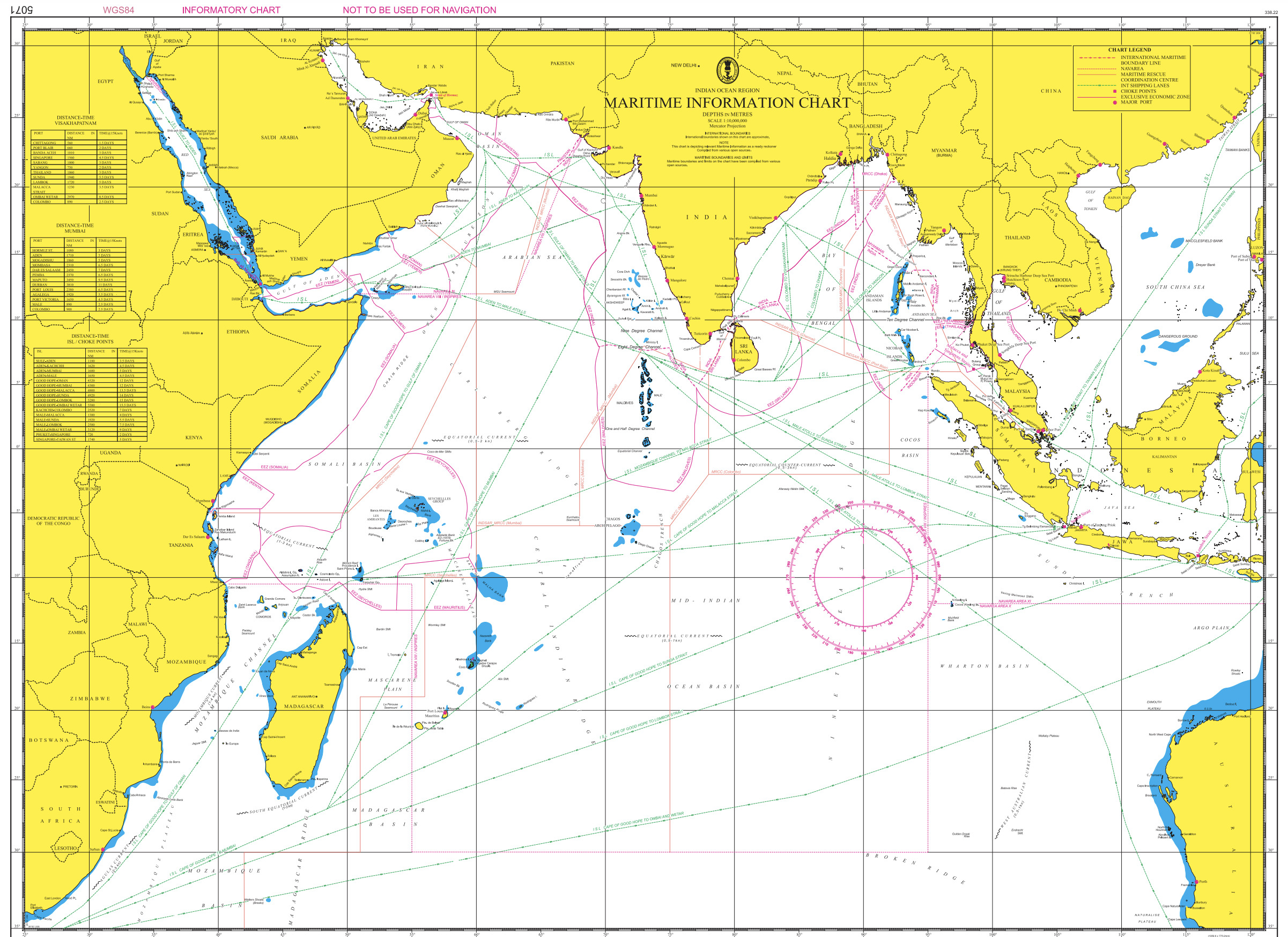
The U.S. Has maintained a robust naval presence in the region for decades, largely focused on ensuring freedom of navigation through the Strait of Hormuz, a narrow waterway through which approximately 20% of the world’s oil supply passes. The recent boarding is part of a broader pattern of enforcement actions taken by CENTCOM, which, according to a statement released on April 26, 2026, has resulted in the redirection of 37 vessels attempting to approach Iranian ports. This demonstrates a sustained effort to disrupt Iran’s economic activities and limit its ability to fund activities deemed destabilizing to the region.

The current situation is further complicated by Iran’s efforts to locate alternative routes for its oil exports. Restrictions on access to traditional markets have prompted Iran to explore new partnerships and logistical solutions, potentially increasing the risk of illicit oil trade. The U.S. Navy’s actions are intended to deter such activities and maintain the integrity of the sanctions regime. The enforcement of these sanctions is a key component of the U.S. Strategy to curb Iran’s nuclear ambitions and regional influence.
Recent Interceptions and Regional Implications
This latest incident follows a similar operation on April 27, 2026, where U.S. Marines boarded another commercial vessel in the Arabian Sea. According to CENTCOM, the vessel was suspected of attempting to breach the Iranian blockade. The U.S. Navy too recently prevented an oil tanker, the M/T Stream, from reaching an Iranian port using the guided-missile destroyer USS Rafael Peralta. These actions underscore the increasing frequency of such interventions and the heightened vigilance of U.S. Forces in the region.
The implications of these actions extend beyond the immediate disruption of oil shipments. They also contribute to a broader climate of tension and mistrust between the U.S. And Iran. The Iranian government has consistently condemned U.S. Sanctions as illegal and counterproductive, arguing that they harm the Iranian people and destabilize the region. The recent U.S. Navy operations are likely to be viewed by Iran as further evidence of U.S. Hostility and could potentially lead to retaliatory measures.
The Broader Context of U.S.-Iran Relations
The current tensions between the U.S. And Iran are rooted in a complex history of political and economic disputes. The U.S. Withdrawal from the Joint Comprehensive Plan of Action (JCPOA), commonly known as the Iran nuclear deal, in 2018 and the subsequent reimposition of sanctions have significantly escalated tensions. The U.S. Has accused Iran of developing nuclear weapons and supporting terrorist groups, while Iran has accused the U.S. Of interfering in its internal affairs and violating international law.
The situation is further complicated by the involvement of other regional actors, including Saudi Arabia, Israel, and Yemen. These countries have varying degrees of alignment with the U.S. And Iran, and their actions can significantly influence the dynamics of the conflict. The ongoing civil war in Yemen, for example, is widely seen as a proxy conflict between Saudi Arabia and Iran, with the U.S. Providing support to Saudi Arabia.
Impact on Global Oil Markets
The disruptions to oil shipments caused by the U.S. Navy’s actions and the broader geopolitical tensions in the region have the potential to impact global oil markets. Any significant reduction in oil supply could lead to higher prices, which would have a ripple effect on the global economy. The Strait of Hormuz is a critical chokepoint for oil tankers, and any disruption to traffic through the strait could have significant consequences.
While the U.S. Navy’s actions are intended to enforce sanctions and deter illicit activities, they also carry the risk of escalating tensions and potentially triggering a wider conflict. The U.S. Is walking a tightrope between maintaining security in the region and avoiding a military confrontation with Iran. The situation requires careful diplomacy and a commitment to de-escalation from all parties involved.
Alternative Routes and Regional Adjustments
In response to the U.S. Sanctions and the increased risk of disruptions in the Strait of Hormuz, Iran is actively exploring alternative routes for its oil exports. These include pipelines to neighboring countries and increased reliance on maritime routes through the Gulf of Oman and the Arabian Sea. Although, these alternative routes are often more expensive and less efficient than the traditional route through the Strait of Hormuz.

Other countries in the region are also adjusting to the changing geopolitical landscape. Saudi Arabia, for example, is investing heavily in expanding its oil production capacity and diversifying its export routes. The United Arab Emirates is also seeking to strengthen its regional partnerships and enhance its maritime security capabilities. These adjustments reflect a growing recognition of the need to prepare for a prolonged period of instability in the Middle East.
According to reports, approximately 52 ships successfully navigated the Strait of Hormuz within a 72-hour period, suggesting that despite the increased U.S. Presence and enforcement efforts, maritime traffic continues to flow. This indicates a degree of resilience in the maritime shipping industry, even amidst heightened tensions.
Key Takeaways:
- The U.S. Navy continues to enforce sanctions against Iran by intercepting vessels suspected of violating international regulations.
- The Strait of Hormuz remains a critical chokepoint for global oil supplies, making it a focal point of geopolitical tension.
- Iran is actively seeking alternative routes for its oil exports in response to U.S. Sanctions and the risk of disruptions in the Strait of Hormuz.
- The situation carries the risk of escalating tensions and potentially triggering a wider conflict in the Middle East.
Looking ahead, the situation in the Arabian Sea and the Strait of Hormuz is likely to remain volatile. The U.S. And Iran are expected to continue their assertive postures, and the risk of miscalculation or unintended escalation remains high. The international community will be closely monitoring developments in the region and seeking ways to de-escalate tensions and promote a peaceful resolution to the conflict. Further updates from CENTCOM and diplomatic channels will be crucial in assessing the evolving situation.
What are your thoughts on the U.S. Navy’s actions in the Arabian Sea? Share your perspectives in the comments below, and please share this article with your network to keep the conversation going.
Related reading