US Military Escalates Strikes Against Suspected Drug traffickers in Eastern Pacific, Raising Legal and Ethical Concerns
The US military has substantially escalated its direct intervention against suspected drug trafficking operations in the Eastern Pacific.Secretary of War Pete Hegseth announced three recent strikes conducted on Monday, resulting in 14 fatalities and one survivor. This marks the most aggressive single-day action since the operations began in early September, raising complex questions about legality, proportionality, and the long-term implications of militarizing the drug war.
A Rapidly Escalating campaign
These latest strikes represent a clear acceleration of US military involvement. Previously, actions were announced individually. Now, multiple engagements are being disclosed simultaneously, signaling a shift in strategy.
Here’s a breakdown of the recent events:
* October 28th Strikes: Three separate engagements resulted in 14 deaths and one survivor.
* Survivor Status: Mexican search and rescue authorities are coordinating the survivor’s care, with their ultimate disposition – whether remaining in Mexican custody or transfer too the US – currently undetermined.
* Earlier Incidents: Previous strikes in early October yielded two survivors who were subsequently repatriated to Colombia and ecuador.
* Total Fatalities: The total confirmed death toll from 13 disclosed strikes since early September now stands at 57.
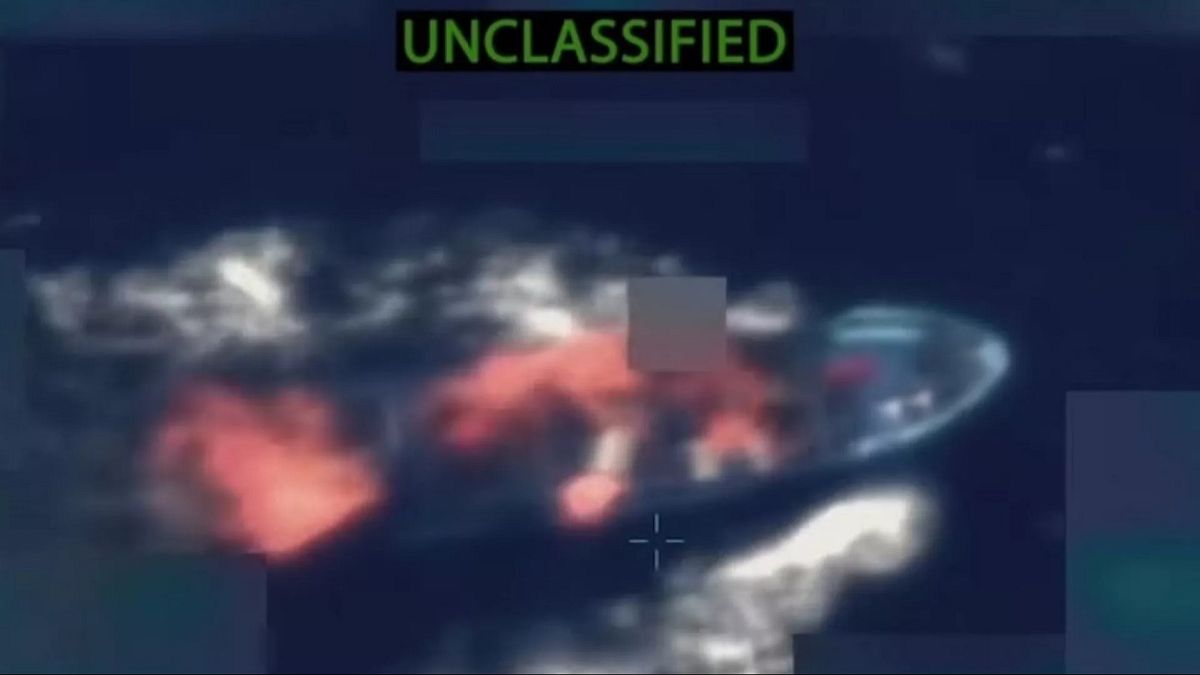
Footage released by Hegseth depicts the strikes themselves.The videos show vessels moving at speed, one visibly laden with packages, before exploding and catching fire. Another strike targeted two stationary boats, with individuals observed moving before a similar detonation.
Justification and Controversial Comparisons
Hegseth has repeatedly justified these actions by drawing parallels to the post-9/11 “war on terror.” He asserts that drug cartels have caused more American deaths than Al-Qaeda and should be treated with the same level of force. President Donald Trump has echoed this sentiment, claiming the US is engaged in an ”armed conflict” with these organizations and labeling them “unlawful combatants.”
This framing relies on the same legal justifications employed by the George W. Bush governance following the September 11th attacks. However, this approach is fraught with legal and ethical challenges.
Legal and Evidentiary concerns
The Trump administration’s justification for these strikes hinges on the claim of an “armed conflict” and the designation of cartels as unlawful combatants. Critically,the administration has yet to present concrete evidence supporting these assertions.
Specifically, questions remain regarding:
* Verification of Cargo: Confirmation that the targeted vessels were definitively carrying narcotics.
* Cartel Affiliation: Proof of a direct link between the vessels and established drug cartels.
* Identity of Those Killed: Establishing the identities of those killed and whether they posed an imminent threat.
Without this evidence, the legal basis for these strikes remains highly questionable under both domestic and international law. The lack of transparency fuels concerns about potential violations of due process and the laws of war.
broader Implications and Future Outlook
The escalation of military action against drug trafficking raises significant concerns about the long-term consequences. Militarizing the drug war has historically proven ineffective and often leads to unintended consequences, including increased violence and instability.
You should consider these points:
* Risk of Escalation: Direct military intervention could provoke retaliatory actions from cartels, potentially escalating violence in the region.
* Humanitarian Concerns: The high number of fatalities raises serious humanitarian concerns and questions about proportionality.
* Impact on Regional Relations: The unilateral nature of these strikes could strain relationships with Mexico and other regional partners.
As the US continues to pursue this aggressive strategy, it’s crucial to carefully weigh the potential benefits against the significant risks. A extensive approach that addresses the root causes of drug trafficking, strengthens international cooperation, and prioritizes human rights is essential for achieving lasting solutions.
Source: AP
Worth a look
- Bank Indonesia: Destry Damayanti’s Appointment as Interim Governor Calms Markets After Perry Warjiyo’s Exit
- Sapin II Law: 10 Years Later, Anti-Corruption Compliance is Mandatory
- US Pauses Strikes on Iran to Allow Diplomacy Space (archyworldys.com)
- Yung Filly Testifies at Trial Over Alleged Rape of Australian Fan (time.news)