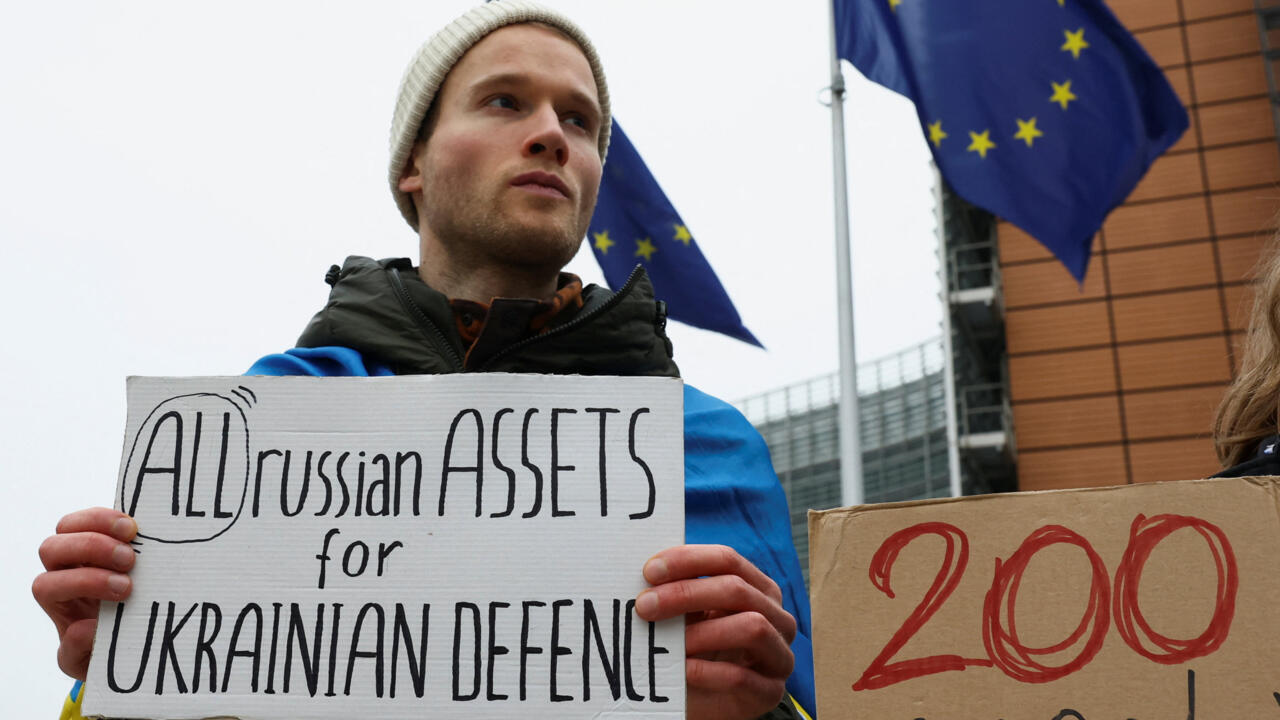
Zelensky Presses EU on frozen Russian Assets as US Raises Concerns
Ukrainian President Volodymyr Zelensky will travel to Brussels Thursday with a critical mission: securing European support for utilizing frozen Russian assets to bolster Ukraine‘s defense against ongoing Russian aggression. This push comes amidst reported pressure from Washington urging EU nations to reconsider the plan, a move that highlights a growing transatlantic divide over how best to support Ukraine.
The European Union has proposed a plan to leverage approximately €90 billion ($105 billion) held in frozen Russian assets. This woudl function as a loan to Ukraine, intended to help repel Russian forces. The expectation is that Russia would ultimately repay this loan through future war reparations to Ukraine.
However, the path forward isn’t clear. A senior Ukrainian official revealed Wednesday that the US administration is actively lobbying European countries to abandon the idea. This intervention underscores a complex geopolitical calculation, with the US seemingly prioritizing the assets as a future negotiating tool.
Here’s a breakdown of the key points:
* The Stakes: Ukraine desperately needs continued financial aid to sustain its war effort.
* The Proposal: Utilizing frozen Russian assets offers a substantial funding source without directly burdening European taxpayers.
* The Opposition: Several EU member states, including Belgium, are hesitant due to fears of potential Russian retaliation.
* US Concerns: Washington views the assets as leverage for potential negotiations with Moscow.
A Divided Europe
While many EU nations, notably Germany, strongly support the asset seizure plan, others remain unconvinced. Belgium, where euroclear - the custodian of the majority of thes assets – is located, is a key point of resistance. Belgian Prime Minister Bart De Wever’s opposition has been particularly vocal.
Speculation also suggests the US, under a potential second Trump administration, is influencing the debate. A previous Trump proposal even included using frozen Russian assets for a US-led reconstruction of Ukraine.
The Ukrainian official stated that seven countries currently oppose the plan. Zelensky’s visit to Brussels is thus aimed at “motivating” these nations to reconsider and unlock the frozen funds.
Why the US Hesitation?
Washington appears to believe holding onto the assets provides a crucial bargaining chip. The idea is to incentivize Moscow to engage in constructive negotiations by offering the potential return of some of the funds.
A US official, speaking anonymously, explained that European nations are “quietly asking us to intervene” because they don’t want to publicly oppose the plan. They fear long-term damage to investment confidence and the credibility of their financial institutions.
This concern is rooted in the potential for Russia to retaliate by targeting financial systems or disrupting long-term investments within Europe.
The Scale of Frozen Assets
Approximately €200 billion in Russian central bank assets have been frozen sence Russia’s full-scale invasion of Ukraine in February 2022. This represents a notable sum that could substantially aid Ukraine’s defense and eventual reconstruction.
The White House maintains a neutral stance, emphasizing its role as a facilitator.Deputy Press Secretary Anna Kelly stated the administration’s goal is to “facilitate a back-and-forth that can ultimately result in a deal,” acknowledging the clear positions held by both Ukraine and russia.
Looking Ahead:
Zelensky’s trip to Brussels is a pivotal moment. The outcome will likely shape the future of financial support for Ukraine and reveal the extent of transatlantic unity in confronting Russian aggression. The debate highlights a essential question: should these assets be used as a tool for immediate relief for Ukraine, or preserved as leverage for a potential future settlement?
This situation is evolving rapidly. You can stay informed with ongoing coverage from sources like France 24 and the Associated press.
Related reading