WASHINGTON D.C. / JERUSALEM — In a revealing admission that underscores the volatile nature of current Middle East diplomacy, President Donald Trump confirmed on Wednesday that a recent high-stakes telephone conversation with Israeli Prime Minister Benjamin Netanyahu was marked by significant tension and blunt, profanity-laced criticism.
Speaking about the exchange, the President expressed profound frustration regarding the ongoing military escalations between Israel and Lebanon. The revelation, which surfaced following an interview with a U.S.-based podcast, suggests a growing rift in the communication style between the White House and the Israeli leadership concerning regional stability and the conduct of the Lebanon conflict.
The Trump Netanyahu Lebanon call has sent ripples through diplomatic circles, as it highlights a departure from traditional, sanitized statecraft in favor of a more direct—and at times, aggressive—mode of bilateral engagement. For a relationship that has historically been viewed as a cornerstone of American foreign policy in the Middle East, this public acknowledgment of friction signals a period of intense negotiation and potential policy realignment.
A Frustrating Cycle: The Lebanon Grievance
The core of the President’s dissatisfaction appears to be centered on the repetitive nature of the hostilities along the Israel-Lebanon border. During his podcast appearance, Trump did not mince words, describing his irritation with what he characterized as Netanyahu being “constantly fighting with Lebanon.”
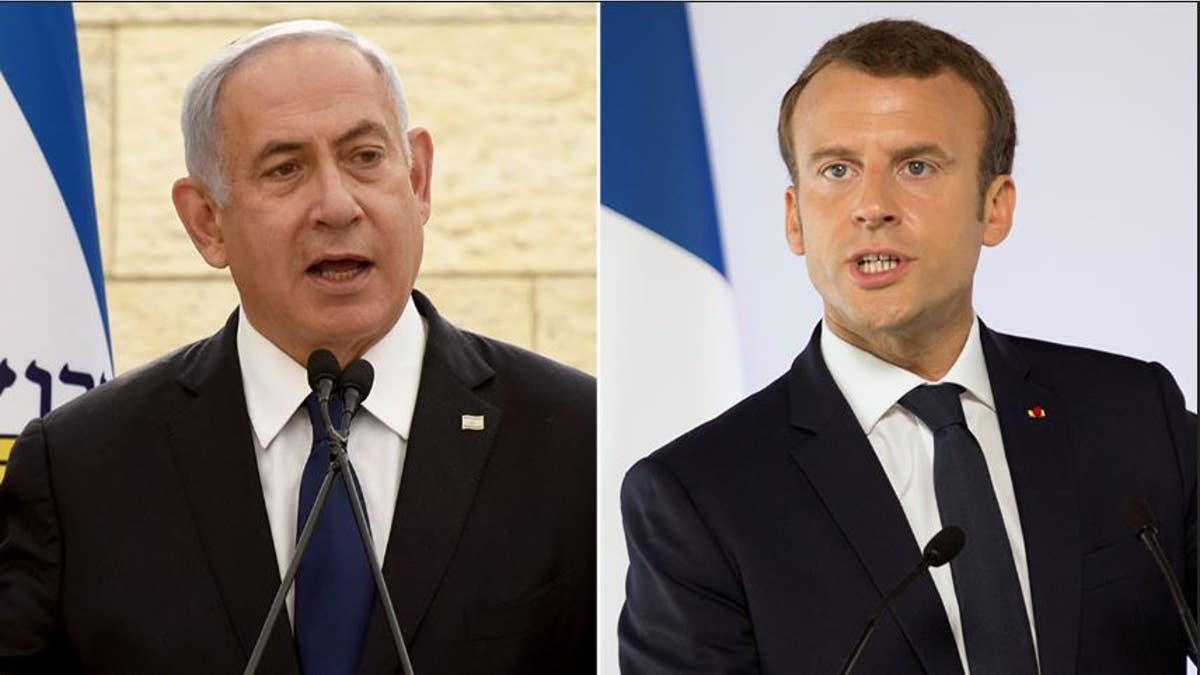
While the specific tactical details of the President’s criticisms were not fully disclosed, the sentiment conveyed was one of exhaustion with the cycle of conflict. This frustration points toward a broader strategic concern within the administration: the perceived inability to reach a decisive or stabilizing conclusion to the border skirmishes that threaten to draw in a wider regional war.
The tension during the call was reportedly high enough to warrant the use of expletives, a detail confirmed by reports following the President’s comments. President Trump confirmed on Wednesday that the conversation was indeed sharp and critical, specifically targeting the Israeli Prime Minister’s approach to the Lebanese front.
Shifting Dynamics in US-Israel Relations
For decades, the relationship between the United States and Israel has been defined by a high degree of strategic alignment. However, the current administration’s approach appears to be increasingly transactional and centered on immediate stability rather than long-term ideological commitments. This “unfiltered” diplomacy can be seen as a double-edged sword: while it provides clarity on U.S. Displeasure, it also risks undermining the delicate back-channel communications that often prevent accidental escalations.

The friction regarding Lebanon is particularly sensitive because the border region serves as a flashpoint for several regional actors. Any significant escalation in Lebanon has the potential to disrupt global energy markets and draw in neighboring powers, a scenario that the White House appears keen to avoid through more forceful diplomatic pressure on its allies.
Observers of Middle East geopolitics note that this bluntness is characteristic of the President’s broader foreign policy, which often prioritizes direct confrontation with perceived inefficiencies or “endless” conflicts. By publicly acknowledging the profanity-laced nature of the call, the administration is effectively signaling to both allies and adversaries that the status quo in Lebanon is no longer acceptable to Washington.
The Geopolitical Stakes in Lebanon
The conflict in Lebanon is not merely a border dispute; it is a complex web of political, religious, and paramilitary interests. The stability of the Lebanese state remains fragile, and the ongoing military operations by Israel are viewed by many analysts as a high-risk endeavor that could lead to a total collapse of the current regional order.
- Regional Stability: Continued fighting risks a multi-front war involving various non-state actors.
- U.S. Strategic Interests: Washington seeks to prevent a vacuum that could be filled by adversarial regional powers.
- Economic Impact: Unrest in the Levant can lead to increased volatility in global oil prices and maritime security.
Implications for the Trump Administration’s Foreign Policy
This incident serves as a case study in the “America First” approach to international relations, where even the closest allies are subject to intense scrutiny and blunt criticism if their actions are perceived to hinder U.S. Interests or regional predictability. The President’s willingness to discuss a private, heated call with a world leader on a public platform marks a significant shift in how diplomatic “disagreements” are managed in the modern era.
For the Israeli government, the challenge lies in navigating a relationship with a U.S. President who is willing to use public frustration as a tool of leverage. While Netanyahu has traditionally maintained a strong rapport with the White House, the current administration’s focus on halting the “constant fighting” in Lebanon suggests that the era of unconditional diplomatic support may be facing new, more vocal constraints.
Key Takeaways: The Trump-Netanyahu Friction
- Direct Confrontation: President Trump used blunt and profanity-laced language to express dissatisfaction with Israeli military actions in Lebanon.
- Primary Grievance: The administration is frustrated by the repetitive and unresolved nature of the conflict between Israel and Lebanon.
- Diplomatic Style: The administration is utilizing public transparency regarding its frustrations as a method of exerting pressure on allies.
- Regional Risk: The tension highlights the high stakes of the Lebanon-Israel border and the potential for wider regional instability.
What Happens Next?
As the diplomatic fallout from this exchange continues, the international community will be watching closely for any shifts in U.S. Military aid or changes in the diplomatic posture toward Beirut and Jerusalem. The next critical checkpoint will be the upcoming scheduled security consultations between U.S. And Israeli defense officials, where the specific terms of a potential “de-escalation” may be discussed.
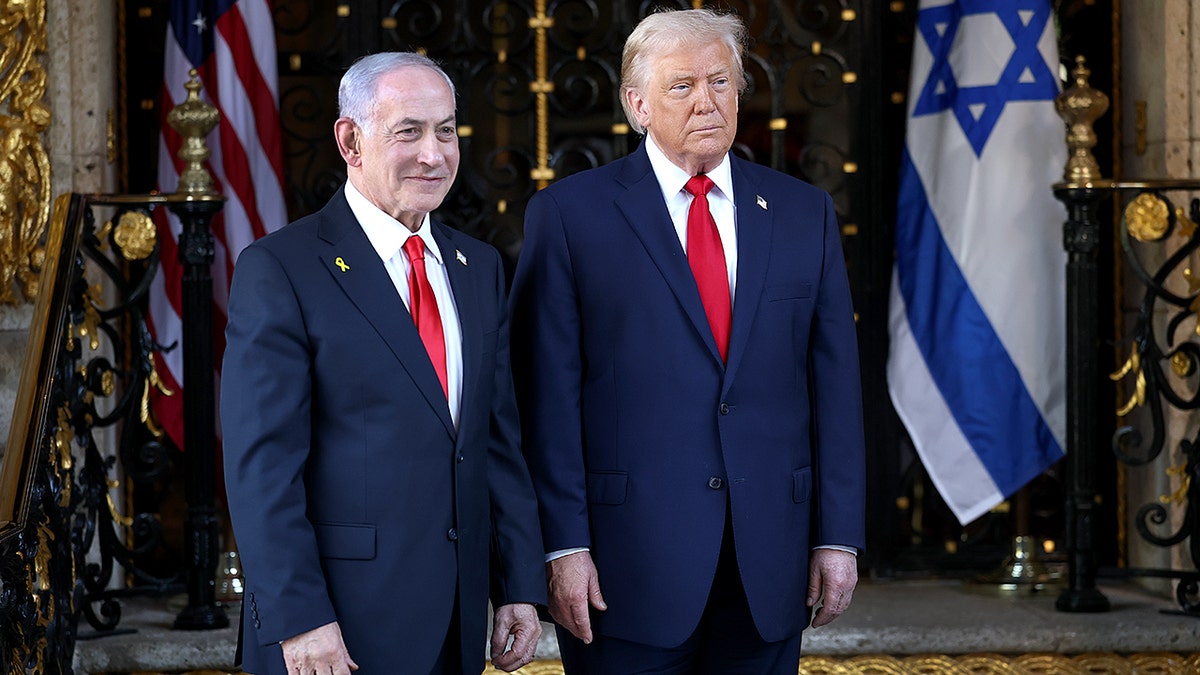
Whether this bluntness leads to a more effective diplomatic resolution or further alienates key partners remains to be seen. For now, the message from Washington is clear: the cycle of conflict in Lebanon is a primary concern for the current administration.
What are your thoughts on this shift in U.S. Diplomatic tactics? Do you believe direct confrontation is an effective way to manage regional conflicts? Let us know in the comments below and share this article with your network.